When you’re trying to lose weight, the first instinct is often to think about what you need to stop eating. But in practice, a more useful question is: What foods can I eat regularly that keep me satisfied and make healthy eating easier to maintain?
The best foods for weight loss are not necessarily the foods with the fewest calories. A food can be relatively low in calories and still leave you hungry shortly afterward. On the other hand, foods containing protein, fiber, water, or a combination of these can often make meals more satisfying. That can make it easier to manage portions and avoid constantly reaching for snacks between meals.
Weight loss is ultimately influenced by overall energy balance, but food quality matters because it affects hunger, nutrition, meal satisfaction, and how easy a diet is to follow. Instead of building your diet around strict restrictions, focus on foods that provide useful nutrition while helping you create meals you can genuinely enjoy.
This guide looks at practical foods for weight loss and explains why they can be useful, how to eat them, and what to consider when building a sustainable weight-loss diet.
What Makes Foods Helpful for Weight Loss?
There is no special food that automatically causes fat loss. Weight loss generally occurs when your body uses more energy over time than it receives from food and drinks. However, some foods can make that process easier because they provide more nutrition and satisfaction for their calories.
Protein is particularly useful because it can help support fullness and is important for maintaining muscle tissue. Fiber can also contribute to satiety while supporting normal digestive function. Foods with a high water content, such as many fruits and vegetables, can add volume to meals without contributing large amounts of energy.
This is why a useful weight-loss meal often contains a combination of protein, fiber, vegetables or fruit, and an appropriate portion of carbohydrates or fats rather than focusing on one nutrient alone.
Foods for Weight Loss That Can Help You Stay Satisfied
Eggs Can Make a Simple Meal More Filling
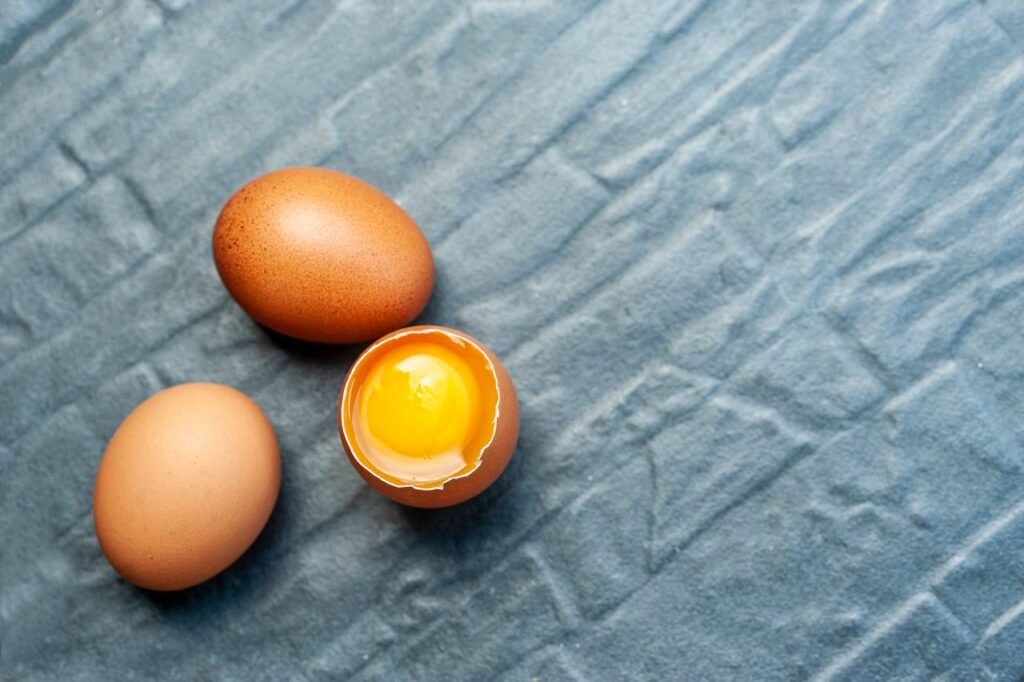
Eggs are a convenient source of protein and can fit into many different meals. They are particularly useful when you want a simple food that can be prepared quickly without requiring complicated recipes.
A protein-containing breakfast or lunch may help some people feel satisfied for longer than a meal dominated by refined carbohydrates. That does not mean eggs are inherently a weight-loss food. Their usefulness comes from how they fit into the overall meal.
Instead of pairing eggs with large amounts of processed meat or heavily buttered bread, try building a more balanced plate with vegetables and a moderate portion of whole-grain toast.
How to Use Eggs in a Weight-Loss Meal
A simple option is two eggs with sautéed vegetables and whole-grain toast. You can also prepare a vegetable omelet with spinach, mushrooms, tomatoes, or peppers.
The goal is not to make the meal extremely low in calories. The goal is to create something satisfying enough that you don’t feel the need to eat again immediately.
Greek Yogurt Offers Protein in a Convenient Form
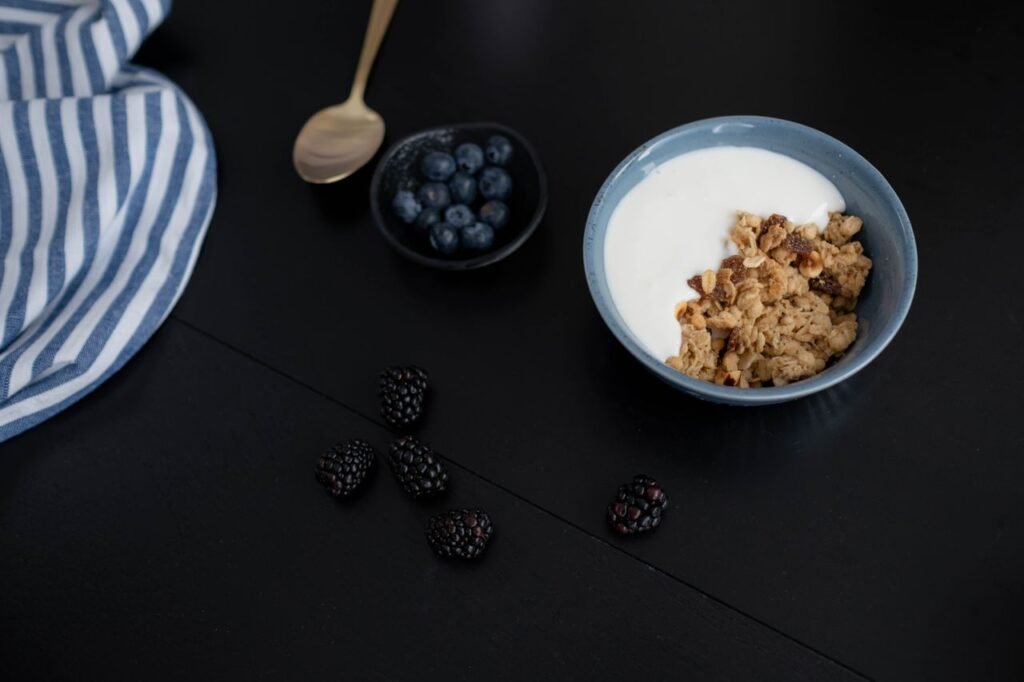
Plain Greek yogurt can be a useful choice for people who want a protein-rich snack or breakfast ingredient. It is thicker than many regular yogurts and can work as a base for fruit, seeds, or other toppings.
The type of yogurt matters. Some flavored varieties can contain significant amounts of added sugar, so checking the nutrition label can help you choose an option that fits your goals.
Make Greek Yogurt More Satisfying
Instead of buying a heavily sweetened yogurt, try plain Greek yogurt with fresh fruit and a small amount of seeds or nuts. This combination can provide protein, fiber, and texture.
It also gives you control over sweetness. If you prefer a sweeter taste, fruit can provide natural sweetness without requiring a large amount of added sugar.
Cottage Cheese Can Add Protein to Snacks and Meals
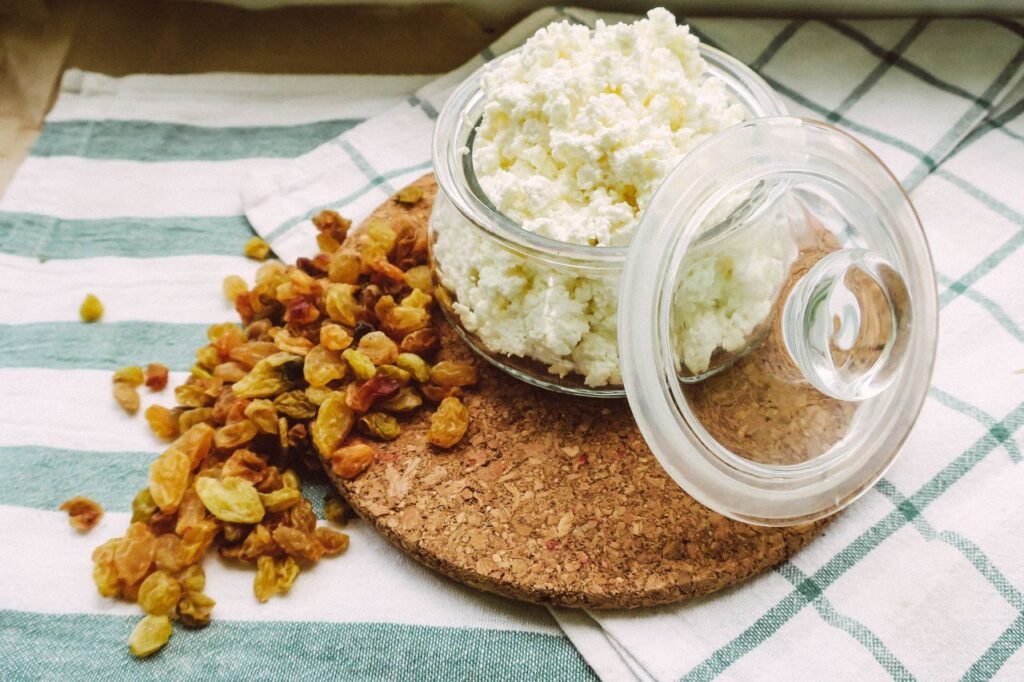
Cottage cheese is another dairy food that can provide a substantial amount of protein. Its mild flavor makes it surprisingly versatile—you can use it in both sweet and savory meals.
For a quick snack, pair cottage cheese with sliced fruit. For a savory option, combine it with tomatoes, cucumber, herbs, and whole-grain toast.
Why Portion Size Still Matters
Even nutritious foods contain calories. If weight loss is your goal, eating unlimited amounts of any food is unlikely to be helpful. Cottage cheese can fit into a balanced diet, but the serving size should match your individual nutritional needs.
The bigger picture matters more than trying to identify a single “perfect” food.
Potatoes Can Be Part of a Weight-Loss Diet
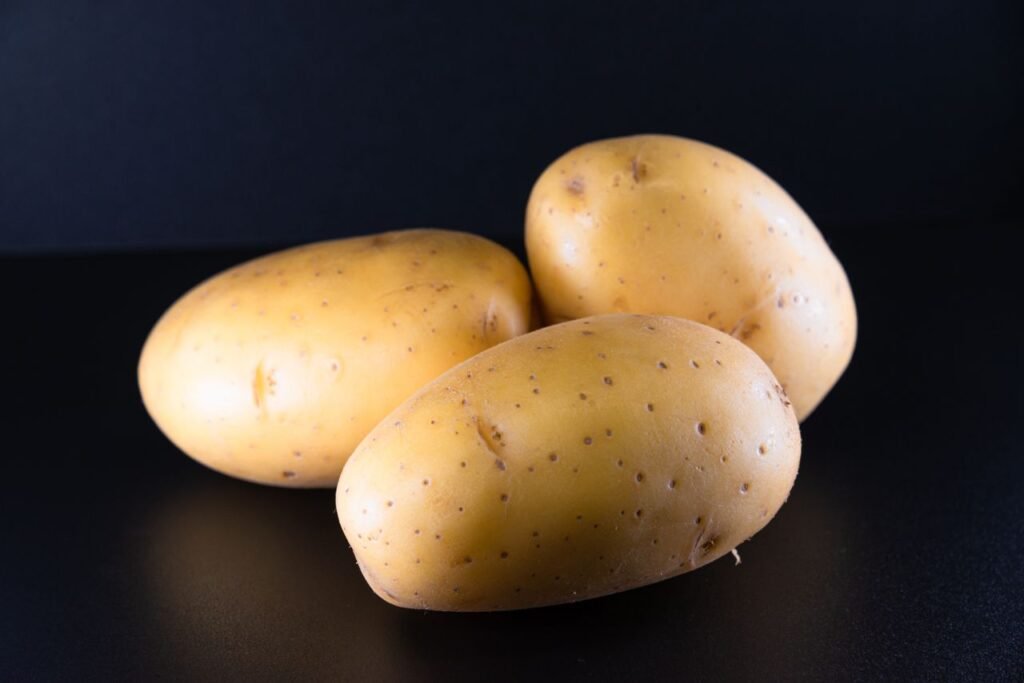
Potatoes are sometimes avoided during weight loss because they are considered a carbohydrate-heavy food. But the potato itself is not automatically a problem. Preparation method, portion size, and what you eat alongside it make a significant difference.
A boiled or baked potato can be quite satisfying, particularly when eaten with a source of protein and vegetables. The problem is more likely to arise when potatoes are regularly turned into highly energy-dense foods through large amounts of oil, butter, or other calorie-dense additions.
A Better Way to Eat Potatoes
Try a baked potato topped with plain Greek yogurt, herbs, and vegetables. You can also serve roasted or boiled potatoes alongside fish, poultry, or a plant-based protein source.
This approach allows you to keep carbohydrates in your diet rather than treating them as something that must be completely eliminated.
Popcorn Can Work as a Portion-Controlled Snack
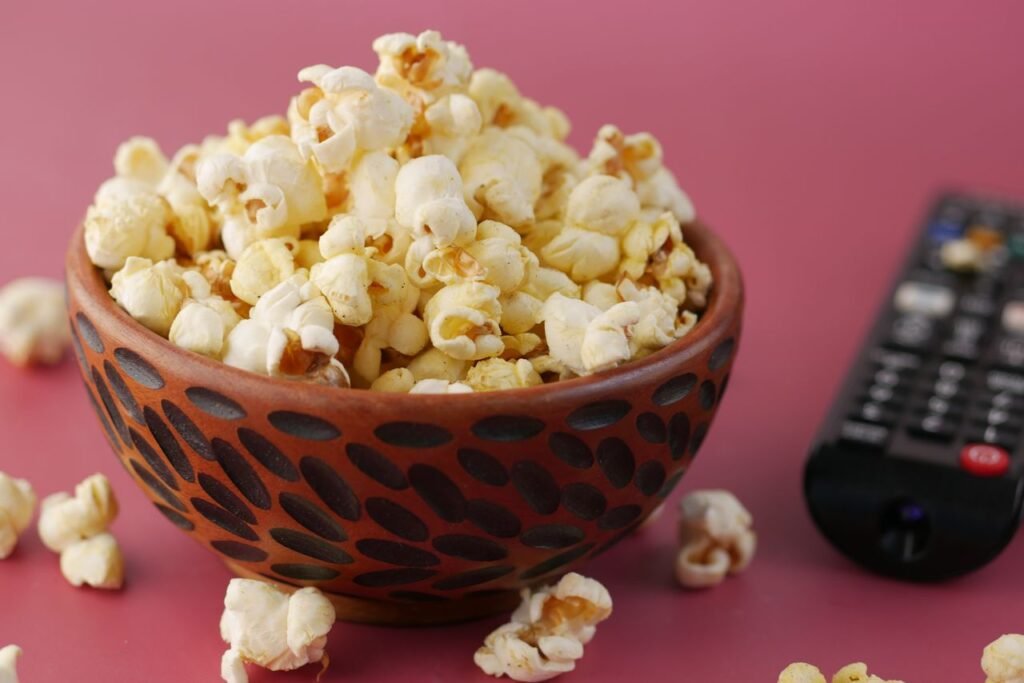
Plain popcorn is a whole-grain food and can be a useful snack when prepared simply. Because popcorn has a relatively large volume compared with its energy content, a reasonable portion can feel more substantial than some highly processed snack foods.
However, preparation makes a difference. Popcorn heavily coated with butter, caramel, or other calorie-dense toppings can have a very different nutritional profile.
Make Popcorn a Smarter Snack
Air-popped or lightly prepared popcorn can be seasoned with spices, herbs, or a modest amount of salt. Pre-portioning it into a bowl rather than eating directly from a large container can also make it easier to stay aware of how much you’re eating.
Edamame Combines Protein and Fiber
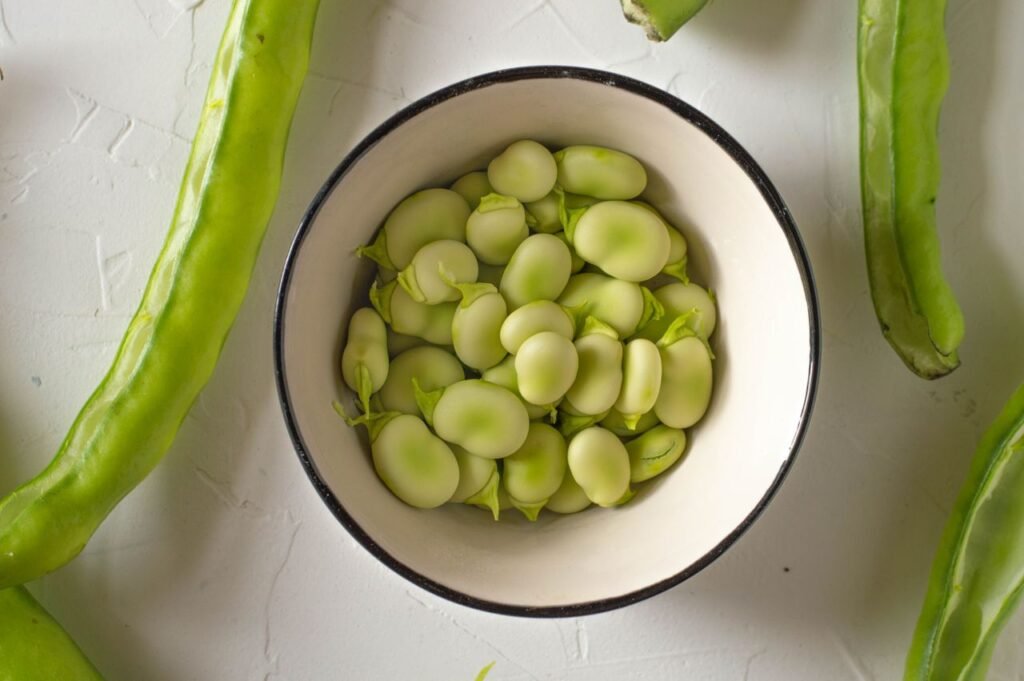
Edamame, or young soybeans, is a particularly useful option because it provides both protein and fiber. That combination can make it a satisfying addition to a meal or snack.
It can be served warm, added to salads, or mixed into grain bowls. Frozen edamame is also convenient because it can be stored for longer and prepared quickly.
Add Edamame to Everyday Meals
Try combining edamame with vegetables and a moderate serving of rice or another whole grain. This creates a meal with multiple food groups instead of relying on a single ingredient.
For people following a plant-forward diet, edamame can also add variety to the protein sources they eat throughout the week.
How Protein and Fiber Work Together for Weight Management
One of the most practical principles behind foods for weight loss is combining protein and fiber rather than focusing exclusively on calories.
Protein can contribute to feelings of fullness and provides amino acids required for many functions in the body. Fiber adds bulk to foods and can influence how quickly food moves through the digestive system. Certain types of fiber are also fermented by microorganisms in the large intestine.
This does not mean every meal needs to contain a perfect ratio of protein and fiber. Instead, think about building meals that contain several complementary components.
For example, a meal containing a protein source, vegetables, and a high-fiber carbohydrate can be more satisfying than a meal based primarily on refined carbohydrates.
If you want to understand more about fiber-rich choices, read our related guide: High Fiber Foods: 5 Nutritious Choices for Better Digestive Health
Building a Balanced Plate for Weight Loss
A common mistake during weight loss is making meals so small that hunger becomes difficult to manage. A better approach for many people is to build meals around foods that provide nutrition and volume.
A simple plate can contain:
| Part of the Meal | Examples | Why It Helps |
|---|---|---|
| Protein | Eggs, Greek yogurt, fish, tofu, poultry | Provides protein and can support fullness |
| Vegetables | Leafy greens, peppers, broccoli, cucumber | Adds volume and nutrients |
| Fiber-rich carbohydrates | Potatoes, oats, whole grains | Provides carbohydrates and fiber |
| Healthy fats | Seeds, nuts, appropriate oils | Adds flavor and helps make meals satisfying |
| Fruit | Apples, berries, oranges | Provides fiber, water, and nutrients |
You do not need to follow this table perfectly at every meal. It is simply a practical framework for creating meals with more nutritional variety.
Portion Control Without Obsessing Over Calories
Calories matter for weight loss, but constantly calculating every bite is not realistic for everyone. Portion awareness can sometimes be a simpler starting point.
Try serving food onto a plate rather than eating directly from large packages. Eat slowly enough to notice when you are becoming satisfied, and avoid treating every meal as an opportunity to eat as much as possible simply because the food is considered “healthy.”
It is also worth remembering that calorie needs vary. A physically active person may need substantially more food than someone with a sedentary lifestyle. Your age, body size, activity level, and health status all influence nutritional requirements.
Foods for Weight Loss Should Still Be Enjoyable
A diet that makes you miserable is unlikely to be sustainable. If you dislike the foods you’re eating, you may eventually return to old habits or experience strong cravings for foods you’ve been unnecessarily restricting.
This is why enjoyment matters.
You can season vegetables, choose different cooking methods, experiment with herbs and spices, and include foods you genuinely like. Healthy eating does not have to mean plain steamed vegetables and tiny portions.
A sustainable weight-loss diet should fit your lifestyle rather than forcing your lifestyle to revolve around a diet.
Common Weight-Loss Mistakes to Avoid
Cutting Out All Carbohydrates
Carbohydrates are not automatically responsible for weight gain. Whole grains, potatoes, fruits, and legumes can all fit into a nutritious diet.
The focus should be on overall food quality and appropriate portions.
Skipping Meals to Save Calories
Some people find intermittent fasting useful, while others become excessively hungry when they skip meals. There is no single eating schedule that works for everyone.
Choose an approach you can maintain without constantly feeling deprived.
Eating “Healthy” Foods in Unlimited Amounts
Foods can be nutritious and still contribute calories. Nuts, oils, seeds, and other energy-dense foods are good examples.
Portion awareness still matters.
Depending on Weight-Loss Supplements
Supplements marketed for rapid fat loss are not a substitute for sustainable eating habits and physical activity. Some products may also have safety concerns or interact with medications.
How to Make Weight-Loss Meals Easier During a Busy Week
Healthy eating becomes much easier when nutritious ingredients are already available.
You can prepare a few basic foods in advance, such as cooked eggs, chopped vegetables, boiled potatoes, plain yogurt, or cooked grains. Having convenient ingredients available reduces the temptation to rely entirely on fast food or highly processed snacks when you’re short on time.
Another useful strategy is to decide on a few simple meals before grocery shopping. You don’t need a seven-day meal plan with every calorie calculated. Even knowing what you’ll eat for the next two or three meals can make healthier choices easier.
The Role of Water in a Weight-Loss Diet
Hydration is another part of a healthy lifestyle. Sometimes thirst can be mistaken for hunger, although drinking water should not be viewed as a magic weight-loss strategy.
Make water your regular beverage when appropriate, particularly instead of frequently consuming sugar-sweetened drinks.
For more information, see your existing article on drinking water and hydration:
How Healthy Eating Supports Long-Term Weight Management
Losing weight is only one part of the process. Maintaining a healthy weight over time requires habits that you can continue after reaching your initial goal.
That means learning how to build satisfying meals, understanding portion sizes, staying physically active, and developing a healthier relationship with food.
For a broader look at the foundation of nutritious eating, read:
Benefits of Eating Healthy: 10 Powerful Ways to Support Your Body
Again, use your actual published URL if the permalink differs.
What are the best foods for weight loss?
There is no single best food for everyone. Foods containing protein, fiber, water, and useful nutrients can help create satisfying meals. Eggs, Greek yogurt, cottage cheese, potatoes, popcorn, and edamame are examples that can fit into a balanced weight-loss diet.
Can I eat carbohydrates while trying to lose weight?
Yes. Foods such as potatoes, whole grains, fruits, and legumes can be part of a weight-loss diet. Portion size and the overall quality of your diet matter more than eliminating carbohydrates completely.
Are high-protein foods helpful for weight loss?
Protein can help support feelings of fullness and is important for maintaining muscle. However, eating more protein alone does not guarantee weight loss. Overall energy intake and dietary pattern still matter.
Should I avoid snacks during weight loss?
Not necessarily. A planned, satisfying snack can fit into a weight-loss diet, especially when it helps prevent excessive hunger between meals.
How quickly should I expect to lose weight?
Weight-loss results vary considerably between individuals. A gradual approach is generally more sustainable than pursuing rapid weight loss through extreme restriction.
Sources and References
1. Centers for Disease Control and Prevention (CDC)
Healthy Weight, Nutrition, and Physical Activity
https://www.cdc.gov/healthy-weight-growth/
2. National Institute of Diabetes and Digestive and Kidney Diseases (NIDDK)
Choosing a Safe and Successful Weight-loss Program
https://www.niddk.nih.gov/health-information/weight-management/choosing-a-safe-successful-weight-loss-program
3. National Heart, Lung, and Blood Institute (NHLBI)
Aim for a Healthy Weight
https://www.nhlbi.nih.gov/health/educational/lose_wt/
4. U.S. Department of Agriculture – MyPlate
MyPlate: Find Your Healthy Eating Style
https://www.myplate.gov/
5. National Institutes of Health – Office of Dietary Supplements
Dietary Supplements for Weight Loss
https://ods.od.nih.gov/factsheets/WeightLoss-Consumer/
Disclaimer
This article is for general informational purposes only and is not a substitute for professional medical or dietary advice. Consult a qualified healthcare professional for personalized guidance.