
High fiber foods are an important part of a balanced eating pattern and can support normal digestion, heart health, blood sugar management, and long-term overall health. Although protein, vitamins, and minerals often receive more attention, dietary fiber is another essential component of a nutritious diet. Fiber is naturally found in plant foods, including fruits, vegetables, legumes, whole grains, nuts, and seeds.
One reason high fiber foods are valuable is that different types of fiber can play different roles in the body. Some forms of fiber help add bulk to stool and support regular bowel movements, while others can be fermented by beneficial microorganisms in the digestive system. A varied diet that includes different fiber-rich plant foods can therefore provide more than one nutritional benefit.
Rather than trying to make major dietary changes overnight, it can be helpful to add fiber gradually through ordinary meals and snacks. The five foods below offer different flavors, textures, and nutrients, making them practical choices for people who want to increase their intake of fiber-rich foods.
Note: Increasing fiber too quickly may cause digestive discomfort for some people. Drinking enough fluids and increasing intake gradually can be helpful. People with digestive conditions or special dietary needs should seek individualized advice from a qualified healthcare professional.
1. High Fiber Foods Like Chia Seeds Can Add Nutrition to Small Meals
Chia seeds are small, but they provide an impressive combination of dietary fiber, fats, and other nutrients. Their mild flavor makes them particularly versatile because they can be added to foods without dramatically changing the taste of a meal. When mixed with liquid, chia seeds absorb water and develop a gel-like texture, which is why they are often used in puddings, overnight preparations, and other simple recipes.
For people looking for high fiber foods that are easy to incorporate into everyday meals, chia seeds can be a convenient option. A spoonful can be added to oatmeal, yogurt, smoothies, or homemade breakfast bowls. Their fiber content can help make a meal more substantial while also adding variety to the overall diet.
How to Include Chia Seeds in a High Fiber Diet
A practical approach is to start with a small amount and use chia seeds as part of a meal that already contains other nutritious ingredients. For example, they can be combined with fruit and oats or mixed into yogurt. This approach creates a more balanced meal instead of relying on one ingredient to provide all nutritional benefits.
Because chia seeds absorb liquid, it is also important to prepare and consume them appropriately. Hydrating foods and maintaining adequate fluid intake are sensible considerations when increasing dietary fiber.
2. Lentils Are High Fiber Foods That Also Provide Plant Protein
Lentils are one of the most practical foods for building a fiber-rich eating pattern. They are legumes and can provide dietary fiber along with plant protein, vitamins, and minerals. Their versatility is another advantage: lentils can be used in soups, salads, grain bowls, curries, and other home-cooked meals.
Including lentils regularly can be a useful way to increase the nutritional quality of meals without making food unnecessarily complicated. A meal containing lentils can feel more satisfying because it combines protein and fiber. This combination makes lentils especially useful for people who want meals with a variety of nutrients rather than meals centered on highly refined ingredients.
Why Lentils Are Useful in a High Fiber Diet
Lentils can be prepared in batches and used across multiple meals during the week. For example, cooked lentils can be added to a vegetable-based lunch, combined with whole grains, or served as part of a dinner with other nutrient-rich ingredients.
If you are also interested in plant and animal sources of protein, you can read our related guide on High Protein Foods: 5 Nutritious Choices for a Healthy Diet.
3. Raspberries Provide Fiber Along With Natural Flavor and Variety
Raspberries are a flavorful example of how fruit can contribute to a diet containing more fiber. They can be eaten fresh, added to breakfast dishes, blended into smoothies, or combined with other fruits. Their natural sweetness also makes them a useful alternative when someone wants to add more fruit to meals and snacks.
A varied diet benefits from including different types of plant foods because individual foods contain different combinations of nutrients. Raspberries are not only a source of fiber; they also contribute to the overall diversity of the diet. Instead of eating the same fruit every day, rotating berries, citrus fruits, apples, and other options can make healthy eating more interesting and sustainable.
Simple Ways to Add Raspberries to High Fiber Foods
Raspberries can be added to oatmeal, plain yogurt, or a homemade breakfast bowl. They can also be paired with nuts or seeds for additional texture and nutritional variety. Frozen raspberries may be a practical option when fresh fruit is not available or is too expensive.
For more ideas about building nutritious meals earlier in the day, you can also explore 10 Foods for a Healthy Breakfast.
4. Artichokes Are a Nutrient-Rich Addition to a High Fiber Diet
Artichokes are often overlooked, but they can be a valuable addition to meals designed around plant foods. Their distinctive flavor and texture make them different from more commonly eaten vegetables, which can help add variety to a weekly eating routine. Artichokes can be served roasted, steamed, grilled, or incorporated into salads and other dishes.
One useful principle when choosing high fiber foods is to focus on variety instead of repeatedly eating only one or two sources of fiber. Different vegetables, fruits, legumes, and grains contribute different nutrients. Adding foods such as artichokes can therefore expand the range of plant foods in the diet.
High Fiber Foods and Digestive Variety
Dietary fiber can interact with the digestive system in different ways, and a diverse range of plant foods may support a varied dietary pattern. Artichokes can fit well into meals that include other vegetables, legumes, and whole grains.
If digestive health is one of your main goals, read our related article 12 Foods for Gut Health That Support Better Digestion.
5. Barley Is a Whole Grain That Can Increase Fiber Intake
Barley is a whole grain that can be used as an alternative to more refined carbohydrate choices. It has a chewy texture and works well in soups, salads, grain bowls, and warm meals. Choosing whole grains more often can be one practical way to include additional fiber in the overall diet.
Many people focus only on fruits and vegetables when they think about high fiber foods, but whole grains can also make an important contribution. Replacing some refined grain products with whole-grain alternatives can help create a more balanced dietary pattern. Barley is one example, while oats and other whole grains can also provide variety.
How to Use Barley in Everyday Meals
Cooked barley can be prepared in advance and stored for later meals. It can be added to vegetable soups, served alongside a protein source, or mixed into a salad. Using prepared ingredients throughout the week can make healthy eating easier when time is limited.
For a broader look at how everyday food choices can support overall wellness, visit Benefits of Eating Healthy: 10 Powerful Ways to Support Your Body.
How to Add High Fiber Foods to Your Diet Gradually
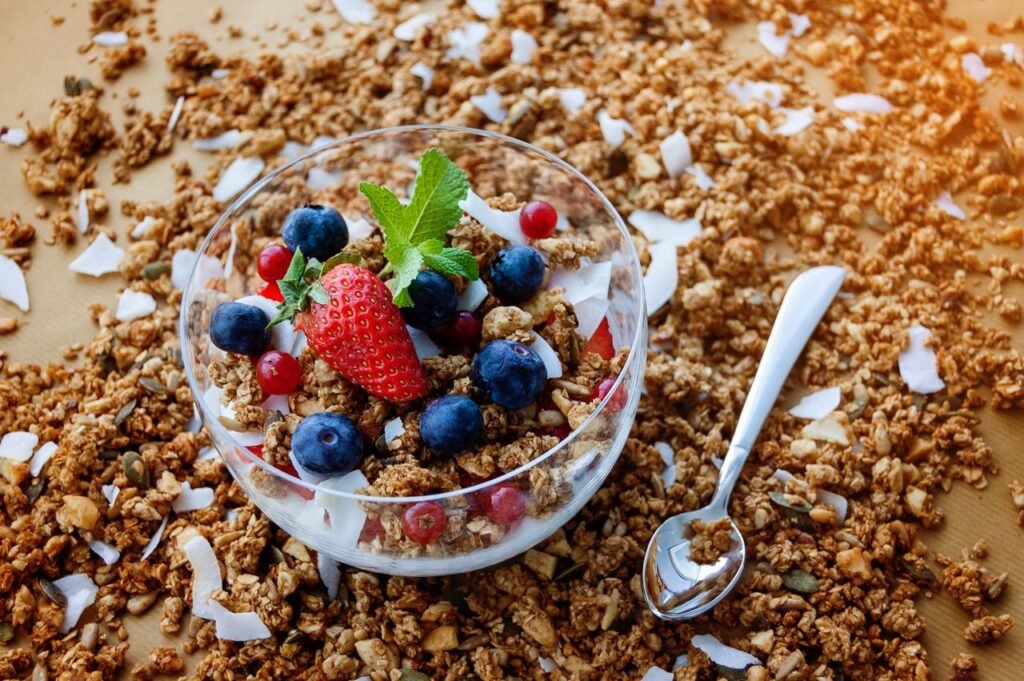
Adding more fiber does not require completely changing your usual meals. A gradual approach can be more comfortable and easier to maintain. For example, you might begin by adding berries to breakfast, including lentils in one or two meals per week, or choosing a whole grain such as barley as part of lunch or dinner.
It is also useful to think about meals as combinations rather than searching for a single “perfect” food. A balanced plate might include a source of protein, vegetables, a fiber-rich carbohydrate source, and a food containing healthy fats. This type of variety can make meals more enjoyable while providing a wider range of nutrients.
People who currently eat relatively little fiber may want to increase their intake gradually. A sudden large increase can cause gas, bloating, or other digestive discomfort in some individuals. Adequate fluid intake is also important when making significant changes to dietary fiber intake.
The Bottom Line on High Fiber Foods
High fiber foods [2]can be an important part of a balanced and varied eating pattern. Chia seeds, lentils, raspberries, artichokes, and barley each provide different nutritional qualities and can be incorporated into meals in simple ways. The goal does not have to be eating large amounts of one food. Instead, regularly including a variety of fiber-rich plant foods can be a practical approach to improving overall dietary quality.
Small and sustainable changes are often easier to maintain. Try adding one new fiber-rich food to your routine, experiment with different recipes, and gradually build meals around a wider variety of nutritious ingredients.
Frequently Asked Questions About High Fiber Foods
What are some of the best high fiber foods?
Some nutritious high fiber foods include legumes, fruits, vegetables, whole grains, nuts, and seeds. Lentils, chia seeds, raspberries, artichokes, and barley are five examples that can add variety to a balanced diet.
How can I add high fiber foods to my diet?
Start gradually by adding one fiber-rich food to an existing meal. You could add chia seeds to breakfast, include lentils in a soup, eat berries as a snack, or choose whole grains more often.
Should I increase fiber intake slowly?
For many people, gradually increasing dietary fiber can be more comfortable than making a sudden large change. Drinking adequate fluids is also important. If you have a medical condition or persistent digestive symptoms, consult a qualified healthcare professional.
References and Sources
MedlinePlus – Dietary Fiber
https://medlineplus.gov/dietaryfiber.html
Harvard T.H. Chan School of Public Health – The Nutrition Source: Fiber
https://nutritionsource.hsph.harvard.edu/carbohydrates/fiber/
National Institute of Diabetes and Digestive and Kidney Diseases – Eating, Diet, & Nutrition for Constipation
https://www.niddk.nih.gov/health-information/digestive-diseases/constipation/eating-diet-nutrition
U.S. Department of Agriculture – MyPlate
https://www.myplate.gov/
Disclaimer
This article is for general informational purposes only and is not a substitute for professional medical or dietary advice. Consult a qualified healthcare professional for personalized guidance.