
A good night’s sleep is influenced by much more than what time you go to bed. Your daily routine, stress levels, physical activity, light exposure, caffeine intake, and even your eating habits can all play a role in how well you sleep. While no single food can guarantee a restful night, choosing nutritious foods and maintaining consistent eating habits can be part of a lifestyle that supports healthy sleep.
The connection between food and sleep is interesting because several nutrients are involved in processes related to the body’s sleep-wake cycle. Foods provide nutrients such as magnesium, potassium, carbohydrates, protein, and other compounds that contribute to normal body functions. Some foods have also been studied specifically for their potential relationship with sleep quality.
That does not mean eating a particular food before bed will automatically make you sleepy. Sleep is a complex biological process, and dietary choices are only one piece of the picture. Still, if your meals are generally balanced and you choose foods that provide useful nutrients, your diet can support the foundation of a healthier routine.
In this guide, we’ll look at seven foods for better sleep, explain what makes each one interesting from a nutrition perspective, and show you practical ways to include them without turning your evening routine into a complicated diet plan.
How Food and Sleep Are Connected
The relationship between nutrition and sleep works in both directions. What you eat can influence your energy levels and certain physiological processes, while poor sleep can affect appetite, food choices, and eating patterns the following day.
A diet that regularly provides essential nutrients helps support normal body functions. Some nutrients are involved in neurotransmitter production, muscle and nerve function, and other processes related to sleep regulation. However, the presence of a particular nutrient in a food does not mean that food acts like a sleeping medication.
This distinction is important. Instead of searching for a “magic sleep food,” it is more useful to build an overall eating pattern that includes a variety of nutrient-rich foods.
What Makes Foods for Better Sleep Worth Considering?
Foods may be particularly interesting for sleep when they provide nutrients involved in normal nervous-system function or when they make a satisfying, relatively light evening snack.
The goal is to choose foods that fit your overall diet and personal tolerance rather than forcing yourself to eat something you dislike simply because it has been promoted as a sleep remedy.
Kiwi Can Be a Simple Evening Fruit Choice
Kiwi is a small fruit with a refreshing flavor and a nutritional profile that makes it an interesting option for people who want to include more fruit in their diet. It provides vitamin C, potassium, fiber, and other nutrients.
Some research has explored the potential relationship between kiwi consumption and sleep, although the evidence is still limited and does not mean kiwi should be considered a treatment for insomnia. The most sensible way to look at kiwi is as a nutritious food that can fit into a balanced diet while researchers continue to investigate its possible sleep-related benefits.
How to Include Kiwi in Your Evening Routine
You can eat kiwi on its own, slice it into plain yogurt, or combine it with another light snack. If you prefer eating something in the evening, a small serving of fruit may be more comfortable than a large, heavy meal close to bedtime.
If acidic fruits cause you digestive discomfort at night, however, kiwi may not be the best choice for you. Personal tolerance matters.
Tart Cherries Offer a Different Approach to Evening Nutrition
Tart cherries have attracted attention in nutrition research because they naturally contain compounds such as melatonin and polyphenols. Melatonin is a hormone involved in regulating the sleep-wake cycle.
Research on tart cherry products and sleep has produced interesting findings, but studies are generally small and results should not be interpreted as proof that tart cherries can treat sleep disorders.
This makes tart cherries an interesting food to include occasionally, rather than something you need to consume every night.
Choose the Form Carefully
Fresh or frozen tart cherries can be used in meals and snacks. Tart cherry juice is another option, but juices can contain concentrated natural sugar and may come in products with added sugar.
If you choose juice, check the nutrition label and serving size. A whole-food option can also provide fiber that is reduced or absent in many juices.
Oats Can Provide a Satisfying Evening Meal
Oats are a whole grain that provides carbohydrates, fiber, and several micronutrients. They are commonly associated with breakfast, but they can also work as a simple evening meal when prepared in a light and balanced way.
Carbohydrates are not something you need to eliminate simply because you’re trying to improve your sleep. They can be part of a balanced diet, and the quality and overall portion of the meal matter.
A bowl of oats can also be customized depending on your needs. You can combine oats with fruit, seeds, or a protein-rich ingredient rather than loading the bowl with large amounts of added sugar.
A Simple Sleep-Friendly Oat Bowl
Try:
- Plain oats
- Sliced kiwi or another fruit
- A small amount of pumpkin seeds
- Milk or a suitable alternative
- Cinnamon for flavor
This creates a meal with several different food groups and avoids the need for a highly processed dessert before bed.
Pumpkin Seeds Provide Magnesium and Other Nutrients
Pumpkin seeds are small but nutrient-dense. They provide magnesium, protein, unsaturated fats, and other nutrients.
Magnesium is involved in normal muscle and nerve function, among many other roles in the body. Because of its involvement in normal physiological processes, magnesium-containing foods are sometimes discussed in relation to sleep.
However, it is important not to overstate the evidence. Eating pumpkin seeds does not guarantee better sleep, and taking large amounts of magnesium without professional guidance is not automatically beneficial.
How to Add Pumpkin Seeds to Your Diet
A small portion can be sprinkled over oatmeal, yogurt, salads, or roasted vegetables. They can also be combined with fruit for a simple snack.
Because seeds are relatively energy-dense, portion size matters if you’re also paying attention to overall calorie intake.
Almonds Can Add Protein, Magnesium, and Healthy Fats
Almonds are another nutrient-dense food that provides protein, magnesium, fiber, and predominantly unsaturated fats.
They can be useful as part of a balanced snack, especially when you want something that provides more staying power than a highly refined carbohydrate snack. However, almonds are calorie-dense, so a modest portion is generally more practical than eating large amounts.
A Simple Evening Snack
Try a small handful of unsalted almonds with a piece of fruit. This combination gives you different nutrients and textures without requiring preparation.
If you have a nut allergy, of course, almonds should be avoided and replaced with a suitable alternative.
Fatty Fish Provides Omega-3 Fats and Protein
Fatty fish such as salmon, sardines, trout, and mackerel provide protein and omega-3 fatty acids. These nutrients are associated with several aspects of overall health, and researchers have also investigated relationships between fish intake, diet quality, and sleep.
Fish is best viewed as part of an overall healthy dietary pattern rather than as a direct sleep treatment.
How to Include Fatty Fish in Dinner
A simple dinner might combine baked salmon with vegetables and a whole grain. Keeping the meal moderate in size and avoiding very heavy sauces may also make the evening meal more comfortable.
If you don’t eat fish, other protein-rich foods can provide useful alternatives.
Chickpeas Can Support a Balanced Evening Meal
Chickpeas are legumes that provide protein, fiber, carbohydrates, and several micronutrients. They can be used in salads, soups, hummus, and warm meals.
Their combination of protein and fiber can make a meal more satisfying. This can be useful if you’re trying to avoid feeling hungry again shortly after dinner.
However, legumes can cause gas or bloating in some people. If chickpeas tend to make you uncomfortable, particularly at night, it may be better to eat them earlier in the day or choose another food.
Easy Ways to Eat Chickpeas
You can add chickpeas to a vegetable salad, blend them into hummus, or include them in a light grain bowl.
The goal is not to eat chickpeas specifically before bed. Instead, they can be part of an overall nutritious diet that supports your health and daily routine.
Foods for Better Sleep: Quick Comparison
| Food | Nutritional Highlight | Practical Use |
|---|---|---|
| Kiwi | Vitamin C, potassium, fiber | Evening fruit |
| Tart cherries | Naturally occurring melatonin and polyphenols | Fruit or occasional juice |
| Oats | Whole-grain carbohydrates and fiber | Oatmeal |
| Pumpkin seeds | Magnesium, protein, healthy fats | Topping or snack |
| Almonds | Magnesium, protein, unsaturated fats | Small snack |
| Fatty fish | Protein and omega-3 fats | Dinner |
| Chickpeas | Protein and fiber | Salad, soup, or hummus |
Read More Articles
What to Avoid Before Bed for Better Sleep
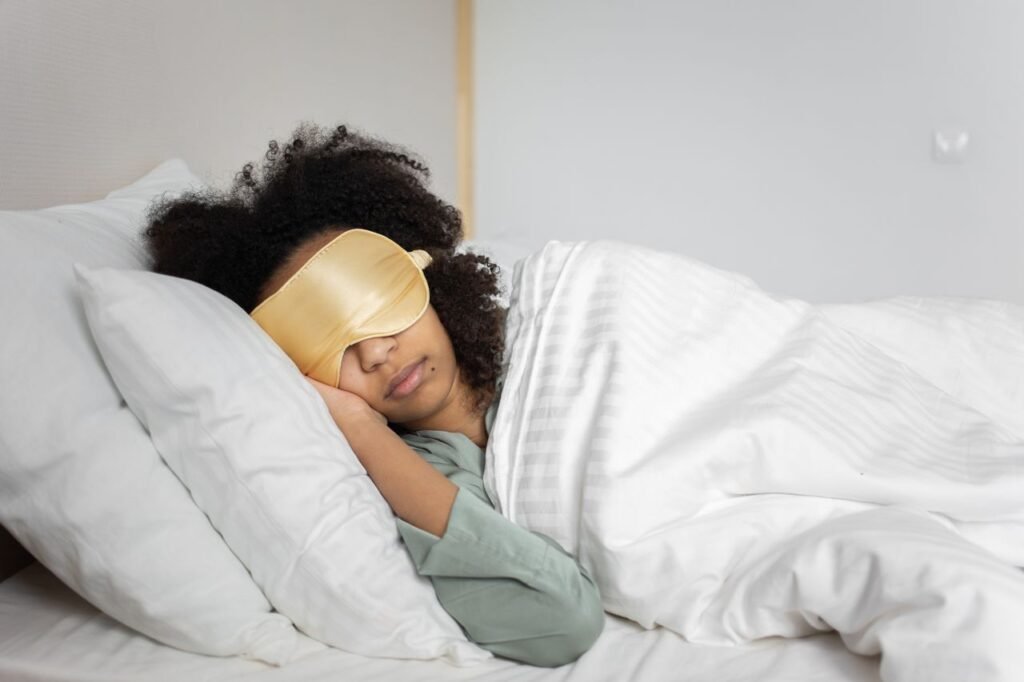
Choosing nutritious foods is only one side of the equation. What you regularly consume close to bedtime can also affect comfort and sleep for some people.
Large and Heavy Meals
A very large meal immediately before lying down may cause digestive discomfort or reflux in some people.
If you notice that late-night heavy meals interfere with your sleep, consider moving your main dinner earlier or reducing the portion size.
Too Much Caffeine
Coffee is an obvious source of caffeine, but tea, energy drinks, chocolate, and some supplements can also contain it.
Caffeine affects people differently, and its effects can last for several hours. If you’re struggling to fall asleep, reviewing your caffeine intake and timing may be more useful than searching for a particular sleep-promoting food.
Alcohol
Alcohol can make some people feel sleepy initially, but it can interfere with normal sleep patterns and reduce sleep quality later in the night.
If improving sleep is your goal, relying on alcohol as a way to fall asleep is not a healthy strategy.
Very Sugary Snacks
A highly processed, sugar-heavy snack may provide calories without offering much nutritional value. If you regularly feel hungry at night, a more balanced snack containing protein, fiber, or fruit may be more satisfying.
When Should You Eat Before Bed?
There is no universal rule saying that everyone must stop eating a certain number of hours before sleep.
Some people sleep comfortably after an evening snack, while others experience reflux or discomfort when they eat too close to bedtime.
Pay attention to your own pattern.
If eating late consistently makes you uncomfortable, try moving your last substantial meal earlier. If you genuinely feel hungry later in the evening, a small, balanced snack may be more practical than going to bed uncomfortably hungry.
The quality, portion size, and timing of your evening food can all matter.
Foods for Better Sleep Work Best With Healthy Sleep Habits
Food alone cannot compensate for an inconsistent sleep schedule or an environment that makes sleeping difficult.
A few basic habits can make a meaningful difference:
Keep a Consistent Sleep Schedule
Going to bed and waking up at roughly the same times each day can help establish a predictable routine.
Reduce Bright Light at Night
Bright light from phones, computers, and other devices can interfere with the body’s normal preparation for sleep. Creating a calmer evening environment may help.
Keep Your Bedroom Comfortable
A dark, quiet, and comfortable sleeping environment can make it easier to relax.
Stay Physically Active
Regular physical activity is associated with many health benefits and can support healthy sleep habits. However, very intense exercise immediately before bed may not feel comfortable for everyone.
How to Build an Evening Eating Routine
You don’t need a special “sleep diet.” A better strategy is to make your evening meals predictable, balanced, and comfortable.
For example, dinner could contain a moderate portion of protein, vegetables, and a whole-grain or other carbohydrate source. If you’re hungry later, a small snack such as fruit with a modest portion of nuts may work for you.
The important point is consistency. If you regularly eat extremely heavy meals late at night and then experience discomfort, changing the timing and portion size may be more helpful than adding a particular food.
Can Food Really Improve Sleep?
Food can contribute to the nutritional foundation required for normal body functions, but the relationship between diet and sleep is more complicated than simply eating one food and expecting an immediate result.
Some individual foods have been studied for their possible effects on sleep duration or quality, but much of the research is still developing. Factors such as overall diet quality, body weight, physical activity, caffeine intake, alcohol consumption, stress, and sleep habits can all influence the outcome.
So rather than asking, “Which food will make me sleep tonight?” a more useful question is:
“What eating pattern supports my overall health and gives me the best conditions for consistent sleep?”
ThSources and References
1. National Center for Complementary and Integrative Health (NCCIH)
Sleep Disorders and Complementary Health Approaches
https://www.nccih.nih.gov/health/sleep-disorders-in-depth
2. National Heart, Lung, and Blood Institute (NHLBI)
Sleep Deprivation and Deficiency
https://www.nhlbi.nih.gov/health/sleep-deprivation
3. Office of Dietary Supplements, National Institutes of Health
Magnesium – Fact Sheet for Consumers
https://ods.od.nih.gov/factsheets/Magnesium-Consumer/
4. Harvard T.H. Chan School of Public Health – The Nutrition Source
Healthy Living Guide
https://nutritionsource.hsph.harvard.edu/healthy-living-guide/
5. Sleep Foundation
Nutrition and Sleep
https://www.sleepfoundation.org/nutrition
Disclaimer
This article is for general informational purposes only and is not a substitute for professional medical advice. Consult a qualified healthcare professional for personalized guidance.at approach is more realistic and sustainable.