
Foods for heart health can be an important part of an overall eating pattern that supports cardiovascular well-being. While no single ingredient can guarantee a healthy heart or prevent disease on its own, regularly choosing a variety of nutrient-rich foods may help support healthy dietary habits over time. A heart-conscious eating pattern generally focuses on vegetables, fruits, whole grains, legumes, nuts, and healthy sources of fat while limiting excessive amounts of sodium, added sugars, and highly processed foods.
The way we eat over months and years matters more than one “superfood” eaten occasionally. This is why building balanced meals is often more practical than searching for one perfect food. Some foods provide unsaturated fats, while others contribute fiber, potassium, or naturally occurring plant compounds. Together, these different nutrients can support a more varied and nutritious diet.
In this article, we will explore five foods for heart health—avocados, walnuts, olive oil, beets, and tomatoes—and explain how each can fit into everyday meals. These foods are not a replacement for medical treatment, but they can be useful additions to a balanced lifestyle.
Why Foods for Heart Health Matter in Your Daily Diet
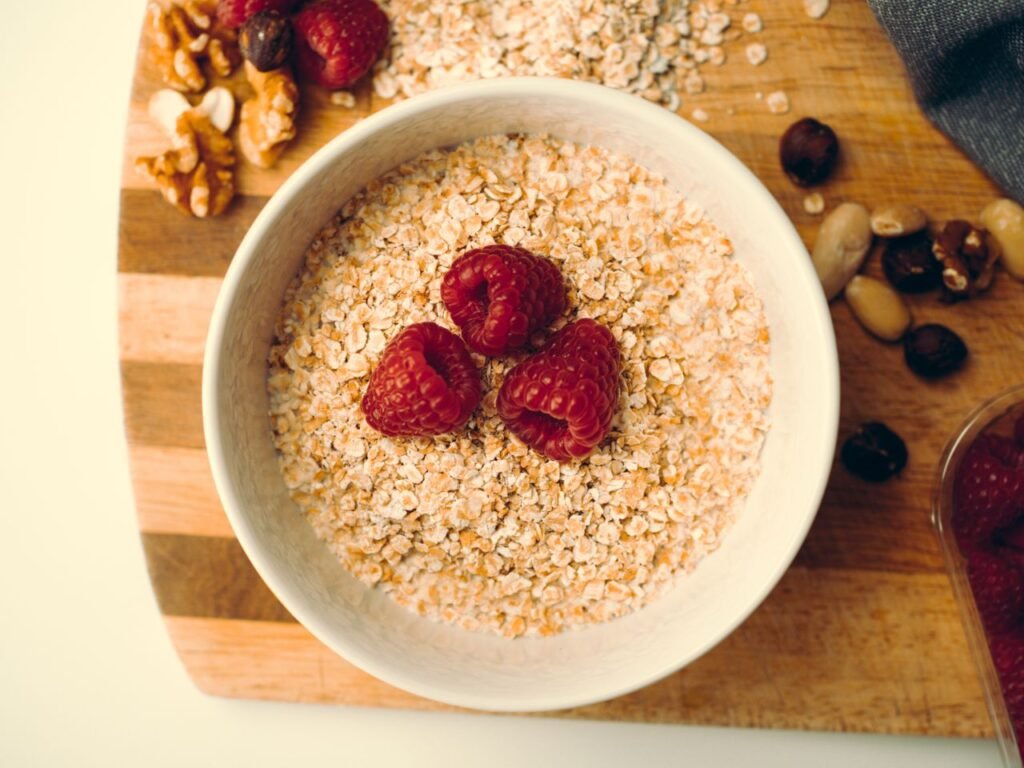
Heart health is influenced by many factors, including diet, physical activity, sleep, smoking status, stress, genetics, and certain medical conditions. Food is therefore one important part of a much larger picture.
A heart-healthy eating pattern does not have to be restrictive or complicated. It can begin with small choices, such as adding more vegetables to meals, choosing unsaturated fats instead of some saturated fats, including whole foods more often, and paying attention to highly processed foods that may contain large amounts of sodium or added sugars.
How Foods for Heart Health Fit Into a Balanced Lifestyle
The most useful approach is to look at your overall eating pattern. For example, adding a handful of walnuts to a meal is different from adding walnuts to an otherwise heavily processed diet. The wider pattern still matters.
For a broader look at how balanced food choices can support overall wellness, read our related article: Benefits of Eating Healthy: 10 Powerful Ways to Support Your Body
1. Avocados: A Source of Unsaturated Fats
Avocados are known for their creamy texture and distinctive nutritional profile. Unlike many fruits, they contain a notable amount of fat, primarily unsaturated fat. Unsaturated fats can be part of a heart-healthy eating pattern when they replace some sources of saturated fat rather than simply adding more calories to an already excessive diet.
This distinction is important. Healthy eating is not only about adding a particular food; it is also about considering what that food replaces. For example, avocado can be used instead of certain creamy spreads or as part of a meal with vegetables and whole grains. This can change the overall nutritional profile of the meal.
A Simple Way to Add Avocado to Heart-Healthy Meals
Try adding sliced avocado to a vegetable salad, whole-grain sandwich, or grain bowl. You can also mash it with herbs and lemon juice for a simple spread. Portion size still matters because avocado is energy-dense, but moderate amounts can fit comfortably into a balanced diet.
2. Walnuts: A Nutritious Choice Among Foods for Heart Health
Walnuts provide a combination of unsaturated fats and other nutrients. They are easy to include in everyday meals because they require little preparation and can be eaten as a snack or added to other foods.
One advantage of walnuts is their versatility. A small portion can add texture to salads, oatmeal, or vegetable dishes. They can also be paired with fruit as a simple snack. Choosing plain or minimally processed walnuts may help you avoid unnecessary added sugars or excessive sodium.
Why Walnuts Can Support a Varied Diet
A nutritious eating pattern benefits from variety. Walnuts should not be viewed as a magic solution for heart health, but they can be one useful component of a diet that includes different plant foods and healthy fat sources.
Because nuts are calorie-dense, a measured serving can be a practical approach. Instead of eating directly from a large package, placing a portion in a small bowl can make mindful eating easier.
3. Olive Oil: A Practical Source of Unsaturated Fat
Olive oil is widely used in Mediterranean-style cooking and can be a practical choice for preparing vegetables, salads, and other meals. It contains primarily unsaturated fats and can be used as an alternative to some fats that contain higher amounts of saturated fat.
The biggest benefit often comes from the overall dietary pattern rather than from adding large amounts of oil. For example, using olive oil to prepare vegetables, legumes, or whole grains can help create a flavorful meal without relying heavily on highly processed sauces.
How to Use Olive Oil in Foods for Heart Health
Use a moderate amount of olive oil in homemade salad dressings, roasted vegetables, or simple home-cooked meals. Combining it with herbs, lemon juice, or vinegar can add flavor without requiring large amounts of salt.
If you are trying to build meals with more nutrient-rich ingredients, our guide to High Fiber Foods: 5 Nutritious Choices for Better Digestive Health may also give you useful ideas.
4. Beets: A Colorful Vegetable for Everyday Meals
Beets are a naturally colorful root vegetable that can add variety to salads, side dishes, and other meals. Their deep color comes from naturally occurring plant pigments, and they can contribute nutrients to an eating pattern centered around vegetables and other whole foods.
One practical advantage of beets is that they can be prepared in several ways. Roasting can bring out their natural sweetness, while steamed or boiled beets can be used in salads. Pre-cooked options may also be convenient for busy days, although it is worth checking labels for added ingredients.
Building a Balanced Meal With Beets
Try combining beets with leafy vegetables, a whole grain, and a protein source. Adding a small amount of olive oil or a handful of walnuts can create a meal with different textures and nutrient sources.
The important idea is balance. Beets can contribute to a nutritious meal, but the overall dietary pattern remains more important than any single vegetable.
5. Tomatoes: An Easy Addition to Heart-Conscious Meals
Tomatoes are widely available, affordable in many locations, and easy to include in everyday cooking. They can be used fresh in salads and sandwiches or cooked into soups, sauces, and vegetable dishes.
Tomatoes contain several nutrients and naturally occurring plant compounds. Their versatility makes them particularly useful for people who want to increase the variety of vegetables in their regular meals without making complicated recipes.
Foods for Heart Health Can Start With Simple Choices
Adding tomatoes to meals is one example of how small changes can increase vegetable intake. Fresh tomatoes can be paired with beans, whole grains, and other vegetables, while cooked tomato-based dishes can be part of home-prepared meals.
Try using tomatoes as part of a colorful plate rather than focusing only on one food. Combining different vegetables, protein sources, and whole grains can make meals more satisfying and nutritionally diverse.
A Quick Comparison of These Foods for Heart Health
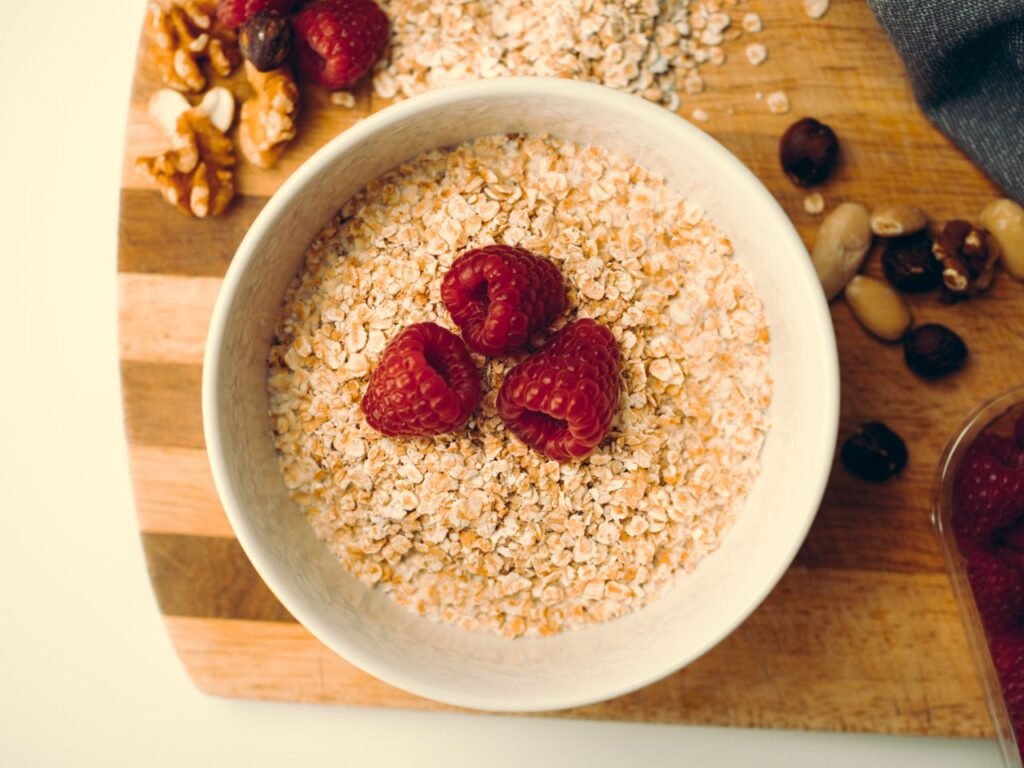
| Food | Main Nutritional Contribution | Simple Way to Use It |
|---|---|---|
| Avocado | Primarily unsaturated fats | Add to salads or whole-grain meals |
| Walnuts | Unsaturated fats and nutrients | Use as a snack or topping |
| Olive oil | Primarily unsaturated fats | Dressings and home cooking |
| Beets | Vegetable variety and nutrients | Roast or add to salads |
| Tomatoes | Nutrients and plant compounds | Fresh or cooked meals |
How to Build a Diet Around Foods for Heart Health
Choosing a few nutritious ingredients is a good starting point, but long-term habits are more important. A practical heart-conscious eating pattern can include a variety of:
- Vegetables and fruits
- Whole grains
- Beans and legumes
- Nuts and seeds
- Fish or other appropriate protein sources
- Unsaturated fats
- Minimally processed foods
It can also be helpful to pay attention to sodium intake, particularly from packaged and highly processed foods. Reading food labels and preparing more meals at home can make it easier to understand what is being added to your diet.
Foods for Heart Health Work Best as Part of the Whole Diet
Instead of asking, “What one food should I eat for my heart?” consider asking, “How can I make most of my meals more balanced?” This shift can make healthy eating feel more practical and sustainable.
A breakfast, lunch, or dinner can include different nutrient-rich foods without requiring perfection. Even gradual improvements, such as adding more vegetables or choosing a more nutrient-dense fat source, can help build healthier routines.
Lifestyle Habits That Work Alongside a Heart-Healthy Diet
Food is important, but heart health is not determined by diet alone. Regular physical activity, adequate sleep, avoiding tobacco, managing stress, and following appropriate medical advice are also important.
If you have high blood pressure, high cholesterol, diabetes, heart disease, or another medical condition, general nutrition information should not replace your personalized treatment plan. A healthcare professional can provide recommendations based on your individual health status.
The purpose of adding foods for heart health to your diet is to support an overall healthy lifestyle—not to replace prescribed medication or medical care.
Frequently Asked Questions About Foods for Heart Health
What are the best foods for heart health?
There is no single best food for everyone. A heart-conscious eating pattern generally includes a variety of vegetables, fruits, whole grains, legumes, nuts, seeds, and healthy sources of fat. Avocados, walnuts, olive oil, beets, and tomatoes are five nutritious options that can fit into this pattern.
Can one food improve heart health?
No single food can guarantee heart health or prevent cardiovascular disease. Overall dietary habits, lifestyle choices, genetics, and medical factors all play a role.
Are foods for heart health expensive?
Not necessarily. While some foods can be expensive depending on location, affordable options such as seasonal vegetables, canned beans with appropriate sodium content, whole grains, and locally available produce can also support a nutritious eating pattern.
How can I start eating for better heart health?
Start with small changes. Add more vegetables to meals, choose whole foods more often, use unsaturated fats where appropriate, and reduce reliance on heavily processed foods. Sustainable habits are generally easier to maintain than dramatic dietary changes.
Final Thoughts
Foods for heart health can be part of a practical and enjoyable approach to nutrition. Avocados, walnuts, olive oil, beets, and tomatoes each offer different qualities and can add variety to everyday meals.
The most important principle is not to depend on one food. A heart-conscious diet is built over time through a consistent pattern of nutritious choices. Combining vegetables, fruits, whole grains, legumes, protein sources, and appropriate fats can help create meals that are both satisfying and nutritionally balanced.
Start with one or two small changes that fit your lifestyle. Over time, these choices can become part of a sustainable approach to healthy eating.
Sources and References
- American Heart Association – Healthy Eating
https://www.heart.org/en/healthy-living/healthy-eating - National Heart, Lung, and Blood Institute – Heart-Healthy Living
https://www.nhlbi.nih.gov/health/heart-healthy-living - Harvard T.H. Chan School of Public Health – The Nutrition Source: Healthy Fats
https://nutritionsource.hsph.harvard.edu/what-should-you-eat/fats-and-cholesterol/ - U.S. Food and Drug Administration – Heart Health and Nutrition
https://www.fda.gov/food/nutrition-food-labeling-and-critical-foods
Short Disclaimer
This article is for general informational purposes only and is not a substitute for professional medical advice. Consult a qualified healthcare professional for personalized guidance.