

Key Takeaways
- The best fruits for healthy skin can contribute vitamins, minerals, fiber, water, and plant compounds to your diet.
- Guava and oranges provide vitamin C, which is needed for normal collagen formation. [1]
- Papaya and mangoes provide a range of nutrients, including vitamin C and carotenoids. [1][ 2][7]
- Watermelon contributes to fluid intake, while berries provide fiber and plant compounds. [2][7]
- Whole fruits are generally a practical everyday choice compared with relying mainly on fruit juice. [5][6]
- No single fruit guarantees clear skin, removes dark spots, or cures acne.
- A balanced diet, suitable skincare, sun protection, and appropriate medical care all have different roles in skin health.
Healthy-looking skin depends on several factors, including genetics, age, sun exposure, skincare habits, sleep, and nutrition. Although no single food can guarantee clear or glowing skin, eating a varied diet that includes fruits can help provide nutrients needed for normal body functions. Fruits supply vitamins, minerals, dietary fiber, water, and naturally occurring plant compounds that contribute to overall nutritional health. Choosing the best fruits for healthy skin can therefore be a practical way to improve dietary variety while supporting your general well-being. Nutrients such as vitamin C and vitamin A play important roles in normal body functions, including processes relevant to skin maintenance. However, obtaining these nutrients through food should be understood as part of a balanced eating pattern rather than a guaranteed way to change your skin’s appearance. [1][2]
Eating a particular fruit will not automatically remove acne, erase pigmentation, or reverse skin aging. Instead, a sensible approach is to enjoy different whole fruits alongside vegetables, whole grains, protein-rich foods, and healthy fats. This article explores six accessible fruits, the nutrients they provide, their potential contribution to a balanced diet, and practical ways to include them in everyday meals without relying on exaggerated beauty claims. [3][4]
1. Guava: A Vitamin C-Rich Fruit
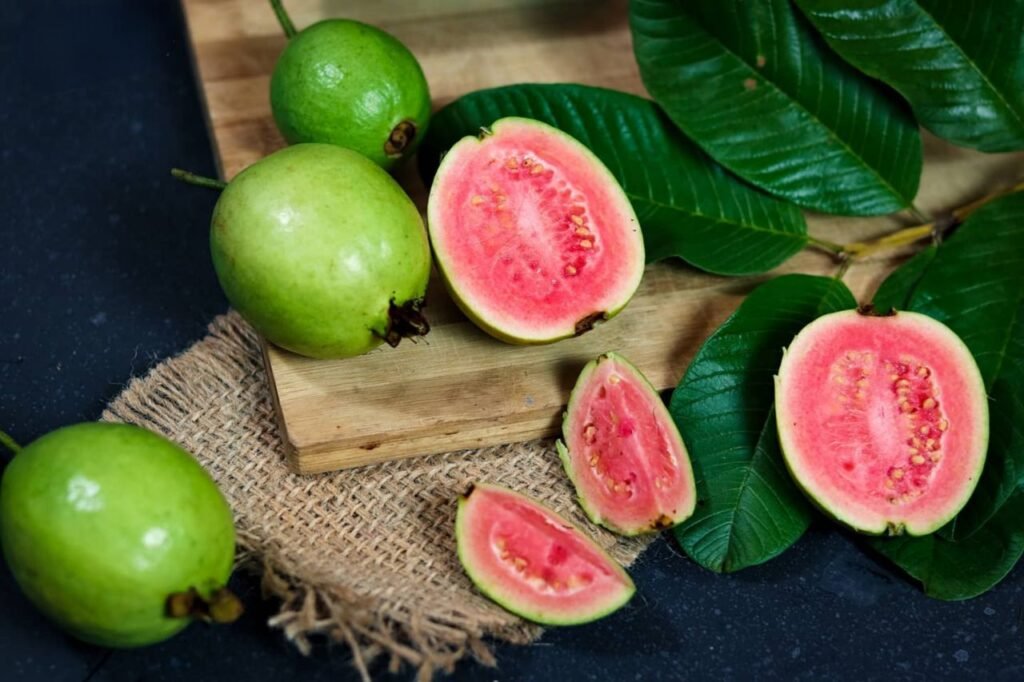
Guava is widely available in India and is a useful addition to a varied diet. It is particularly known for its vitamin C content, although the precise amount depends on the variety and serving size. Vitamin C is essential for collagen formation and also helps the body absorb iron from plant-based foods. [1] Guava provides dietary fiber as well, making it a practical option for people who want to increase their intake of whole fruits.
How Guava May Support Skin Health
Vitamin C contributes to normal collagen production, a process involved in maintaining the structure of skin and other connective tissues. However, eating guava should not be described as a treatment for wrinkles, scars, or pigmentation. Its nutritional value comes from helping provide vitamin C as part of an overall balanced diet. [1] Guava also offers a convenient way to add variety without relying on expensive supplements or products marketed specifically for skin health. The fruit can be enjoyed as a snack or included in a mixed fruit bowl, depending on your preference.
2. Oranges: A Convenient Source of Vitamin C
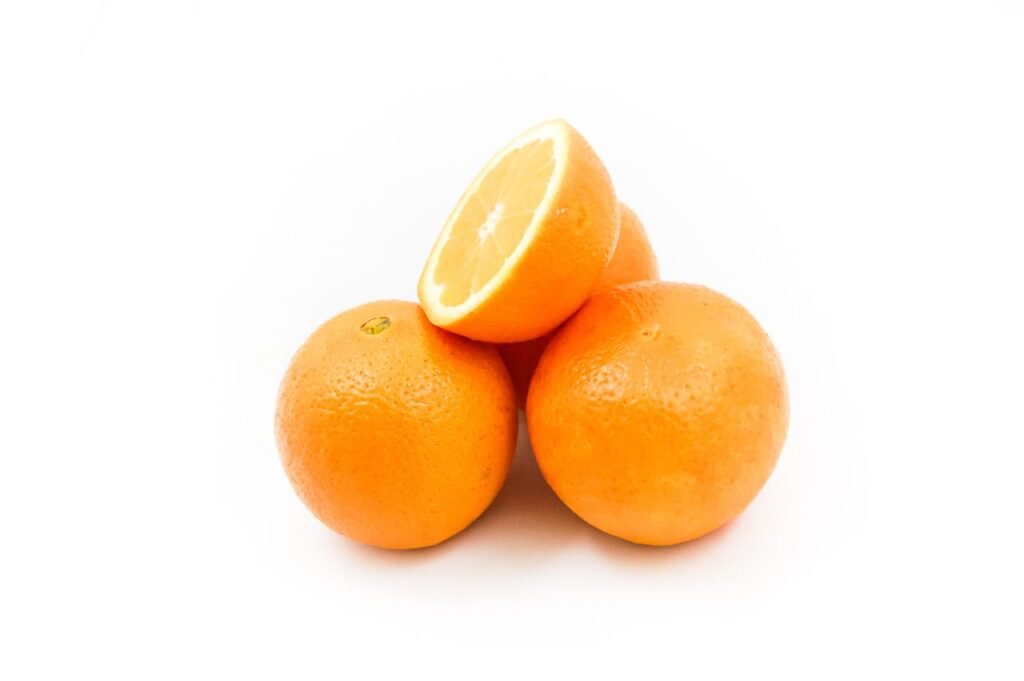
Oranges are a familiar source of vitamin C. This nutrient is needed for normal collagen formation and supports other functions in the body. Oranges also contribute water and dietary fiber when eaten whole. [1][5]
Potential Benefits for Skin Nutrition
Including oranges in your diet can help you obtain vitamin C, which is required for normal collagen production. However, eating oranges or drinking orange juice does not guarantee brighter skin, prevent all signs of aging, or remove dark spots. Visible skin changes depend on many factors, including genetics, sun exposure, skincare habits, and medical conditions. Whole oranges are generally a practical everyday choice because they retain their natural fiber. Fruit juice can provide nutrients, but it usually contains less fiber than whole fruit and can be consumed more quickly. Choosing whole fruit more often can help make fiber part of your daily diet. [5][ 6]
3. Papaya: A Nutritious Tropical Fruit

Papaya is commonly available in India and provides vitamin C, carotenoids, and other nutrients. Its nutritional composition can vary with ripeness and serving size. Including papaya in a varied diet can increase fruit intake while providing water and dietary fiber. [1][7]
How Papaya Fits Into a Skin-Friendly Diet
Papaya contains vitamin C, which contributes to normal collagen formation, and carotenoids, which are naturally occurring pigments found in many colorful fruits and vegetables. [1][2] These nutrients make papaya a useful food choice, but they do not establish that eating papaya will treat acne, remove pigmentation, or make everyone’s skin glow. The practical value of papaya is that it can contribute to an overall nutritious eating pattern. It can be especially convenient when fresh, ripe fruit is locally available.


4. Watermelon: A Refreshing Fruit With High Water Content
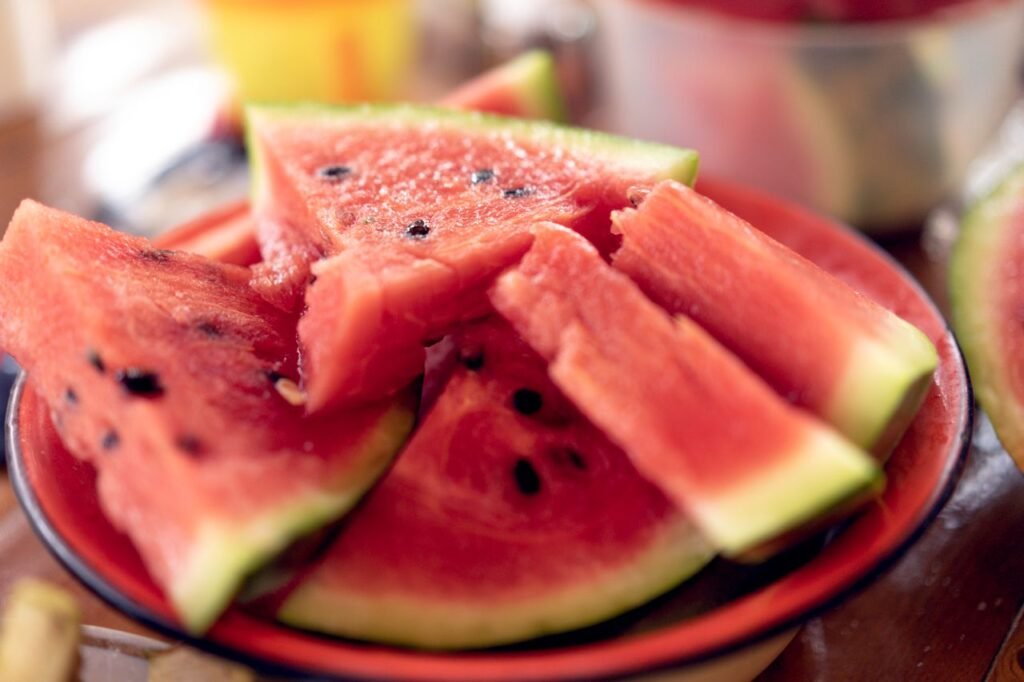
Watermelon is popular during hot weather because it contains a high proportion of water. It also provides nutrients and plant compounds, including lycopene, a carotenoid found in several red and pink fruits. [2][7]
Does Watermelon Hydrate the Skin?
Watermelon contributes to fluid intake because of its water content. Adequate fluid intake supports normal bodily functions, but eating watermelon should not be considered a guaranteed treatment for dry skin.
Dryness can be associated with weather, frequent hot showers, harsh cleansers, and underlying skin conditions. If your skin feels tight or flaky, gentle cleansing and regular use of a suitable moisturizer may be more directly helpful than simply increasing your watermelon intake. The American Academy of Dermatology provides practical recommendations for dry skin care, including gentle bathing and moisturizing habits. [8]
5. Mangoes: A Source of Carotenoids and Vitamin C
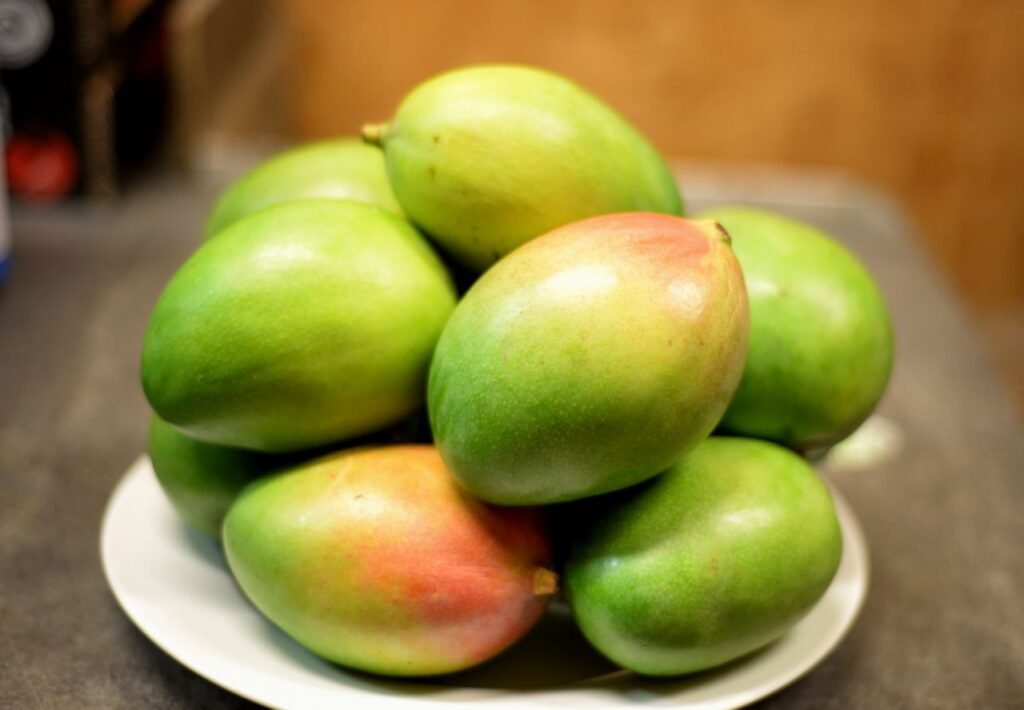
Mangoes are popular in India and provide vitamin C and carotenoids, including beta-carotene, which the body can convert into vitamin A. Vitamin A is important for normal growth and the maintenance of several body tissues. [1] [2][7]
How Mangoes Fit Into a Skin-Friendly Diet
Mangoes can contribute useful nutrients to a varied diet, but there is no guarantee that eating them will improve skin tone, eliminate dark spots, or treat acne. Their value lies in providing nutrients as part of an overall eating pattern. Mangoes are naturally sweet, so portion size may be relevant for people who need to manage blood glucose levels. This does not mean everyone needs to avoid mangoes. Rather, people with individual dietary requirements should choose portions appropriate to their needs and follow guidance from their healthcare professional when necessary.
6. Berries: Colorful Fruits With Plant Compounds
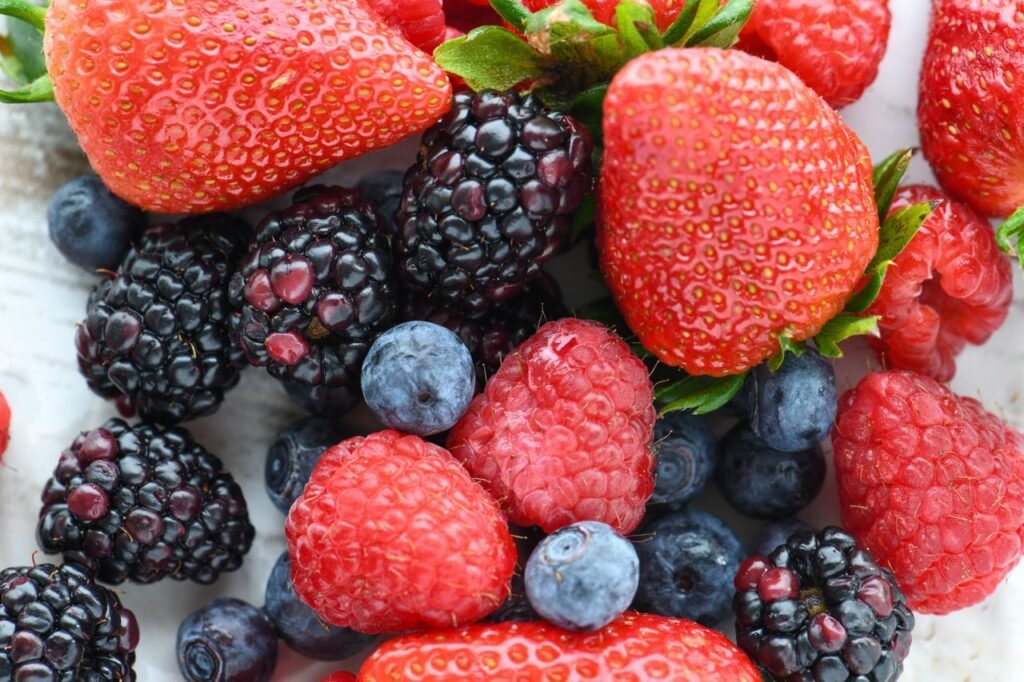
Strawberries, blueberries, and other berries provide vitamin C, dietary fiber, and a variety of naturally occurring plant compounds, including polyphenols. The exact nutrient composition varies among berry varieties. [1] [7]
Why Berries Are Worth Including
Berries can add variety and nutrients to meals. Some compounds found in berries have antioxidant activity in laboratory settings, but laboratory findings should not be treated as proof that eating a particular berry will prevent wrinkles, cure acne, or reverse skin aging in people. Their practical value is that they contribute to dietary variety. If berries are expensive or difficult to find where you live, there is no need to purchase them specifically for your skin. Locally available fruits such as guava, oranges, and papaya can also contribute valuable nutrients to a balanced diet.
Sources & References
[1] National Institutes of Health, Office of Dietary Supplements — Vitamin C: Fact Sheet for Health Professionals
Supports information about vitamin C, collagen formation, and iron absorption.
[2] National Institutes of Health, Office of Dietary Supplements — Vitamin A and Carotenoids: Fact Sheet for Health Professionals
Supports information about vitamin A, carotenoids, and their roles in normal bodily functions.
[3] World Health Organization — Healthy Diet
Supports general recommendations about dietary variety, fruits, vegetables, and balanced eating patterns.
[4] Harvard T.H. Chan School of Public Health — The Nutrition Source: Vegetables and Fruits
Provides general nutrition guidance on including a variety of fruits and vegetables in the diet.
[5] NHS — 5 A Day: What Counts?
Supports information about fruit portions and the differences between whole fruit and fruit juice.
[6] Centers for Disease Control and Prevention — Fruits and Vegetables. Consult the page for recommendations relevant to fruit and vegetable intake.
[7] USDA FoodData Central — Food and Nutrient Information
[8] American Academy of Dermatology — Skin Care Tips
Supports practical skincare guidance, including gentle skin care and moisturizing.
Disclaimer
This article is for general educational purposes only and does not replace professional medical advice, diagnosis, or treatment. Consult a qualified healthcare professional for persistent, severe, or unexplained skin concerns.