
Key Takeaways
- A morning skincare routine does not need many products to be effective.
- The usual product order is cleanser, optional serum, moisturizer, and sunscreen.
- Sunscreen is an essential final step in daytime skincare.
- Different skin types may need different cleanser and moisturizer formulations.
- Introduce new active ingredients gradually to reduce the risk of irritation.
- Avoid combining too many strong skincare ingredients without understanding their effects.
- Consistency is more important than frequently changing products.
A good morning skincare routine can help prepare your skin for the day by removing overnight buildup, maintaining hydration, supporting the skin barrier, and protecting against environmental exposure. However, many people feel confused about which products to use, what order to apply them in, and whether they actually need several different skincare products. Social media trends often encourage complicated routines involving multiple serums, exfoliants, toners, and creams, but using more products does not automatically produce healthier skin. In many cases, a simple routine that addresses your skin’s actual needs is more practical and easier to maintain.
The correct morning skincare routine generally follows a straightforward order: gentle cleansing, optional treatment products, moisturizer, and sunscreen. The exact products depend on whether your skin is oily, dry, combination, sensitive, or acne-prone. Someone with oily skin may prefer lightweight, non-greasy formulations, while someone with dry skin may benefit from richer moisturizers. Understanding these differences helps you build a routine that supports your skin without causing unnecessary irritation. This guide explains each step, how to select suitable products, common mistakes to avoid, and how to adjust your routine according to your skin type.
Why Is a Morning Skincare Routine Important?
Your skin is exposed to several environmental factors throughout the day, including ultraviolet radiation, pollution, temperature changes, and dust. These exposures can contribute to skin irritation, dryness, pigmentation, and other concerns. A morning routine helps prepare the skin by maintaining hydration and providing protection against some avoidable environmental damage. It also gives you an opportunity to apply products that address specific concerns, such as uneven skin tone or excess oil.
Another important reason to maintain a routine is skin-barrier support. The skin barrier is the outer protective layer that helps limit water loss and protects the body from external irritants. When this barrier becomes disrupted, the skin may feel tight, dry, itchy, or sensitive. Gentle cleansing and appropriate moisturizing can help maintain its normal function. People who frequently wash their faces with harsh cleansers or use too many exfoliating products may experience irritation instead of improvement. A basic skincare approach that respects the skin barrier is therefore a sensible starting point [1] A morning routine also helps establish consistent sun protection. Daily exposure to ultraviolet radiation can contribute to premature skin aging and increase the risk of skin cancer. Applying sunscreen before going outdoors, together with protective clothing and shade, is an important part of everyday skin care [2].
What Is the Correct Order of a Morning Skincare Routine?
The order of skincare products matters because different formulations serve different purposes. A practical routine generally moves from cleansing to lightweight treatment products, then moisturizer, and finally sunscreen. However, the exact number of steps depends on your skin type and the products you choose.
Step 1: Cleanse Your Face With a Gentle Cleanser
Cleansing is usually the first step of a morning routine. During the night, sweat, natural skin oils, and residue from nighttime skincare products may remain on the skin. Washing your face can help remove this buildup and prepare the skin for products applied afterward.
Choose a gentle cleanser that suits your skin type. If you have oily or acne-prone skin, you may prefer a lightweight gel cleanser that removes excess oil without leaving the skin uncomfortable. If your skin is dry, a creamy or hydrating cleanser may feel more comfortable. People with sensitive skin should generally avoid cleansers with strong fragrances or unnecessarily harsh ingredients. Use lukewarm water rather than very hot water, apply the cleanser gently with your fingertips, and rinse thoroughly. Avoid vigorous scrubbing because friction can irritate the skin. You do not necessarily need an aggressive cleansing product to remove ordinary overnight buildup. If your skin is very dry or sensitive, rinsing with water in the morning may be sufficient, depending on your skin’s needs and the advice of your dermatologist [1]


Step 2: Apply a Toner Only If You Need One
Toners are optional products that may be used after cleansing. Their formulations vary considerably. Some are designed to provide hydration, while others contain exfoliating acids or ingredients intended to reduce excess oil. A hydrating toner may be useful if your skin feels dry after cleansing, but it is not an essential step for everyone. If you choose one, look for a gentle formulation that suits your skin. Products containing exfoliating acids, such as glycolic acid or salicylic acid, should be introduced cautiously because frequent use can cause irritation. Do not assume that a toner is necessary simply because it is included in a multi-step skincare routine. If your cleanser, moisturizer, and sunscreen already meet your needs, skipping toner is perfectly reasonable. The priority should be maintaining skin comfort rather than adding products without a clear purpose.
Step 3: Apply a Targeted Serum
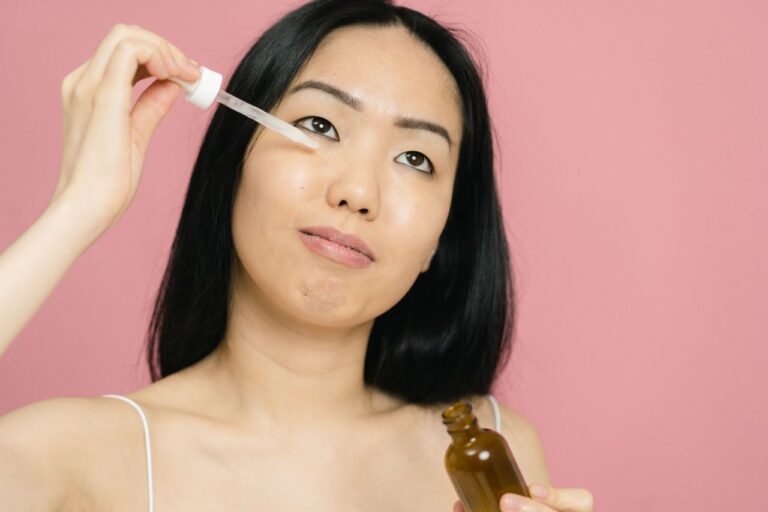
Serums are concentrated skincare products designed to deliver particular ingredients in lightweight formulations. You may choose one based on your main skin concern, but you do not need to use several serums simultaneously.
Vitamin C serum for uneven skin tone: Vitamin C is an antioxidant used in skincare formulations. Some products containing vitamin C may help improve the appearance of uneven pigmentation and support a more even-looking complexion. Formulation quality, stability, packaging, and concentration influence how well a product performs. Introduce it gradually, particularly if your skin is sensitive.
Hyaluronic acid serum for hydration: Hyaluronic acid is a humectant, meaning it helps attract and retain water. Products containing it may help improve the feeling of skin hydration, particularly when followed by a moisturizer. It does not permanently remove wrinkles or replace the need for a moisturizer.
Niacinamide serum for general skin support: Niacinamide is a form of vitamin B3 used in skincare products. It may help support the skin barrier and improve the appearance of certain concerns, including uneven tone and excess oil. Product tolerance varies, so start with a formulation your skin can comfortably tolerate. If you are introducing a serum for the first time, use one new product at a time. This makes it easier to identify irritation or sensitivity. Applying several active ingredients together does not guarantee better results and may make your routine unnecessarily complicated.
Step 4: Apply Eye Cream If Needed
The skin around the eyes is delicate, and some people experience dryness or discomfort in this area. An eye cream may help moisturize the skin around the eyes, but it is not essential for everyone. A regular facial moisturizer may be suitable for the surrounding area if its instructions allow use there and it does not cause irritation. If you prefer an eye cream, choose a gentle product designed for the area and avoid applying it too close to the eyes. Be cautious with strong active ingredients around the eyes, particularly if you have sensitive skin. If you experience persistent swelling, itching, redness, or irritation, stop using the product and seek appropriate medical advice.
Step 5: Apply Moisturizer
Moisturizer is an important step because it helps reduce water loss and maintain skin comfort. Even people with oily skin may benefit from moisturizing. Skipping moisturizer does not reliably prevent oil production and may leave the skin feeling dehydrated or uncomfortable.Different ingredients provide different moisturizing functions. Humectants such as glycerin help attract water, while emollients help soften the skin. Occlusive ingredients help reduce water loss by forming a protective layer. Some products combine these ingredient types to provide more complete moisturization.
For dry skin, a richer cream may provide greater comfort. For oily skin, a lightweight lotion or gel may feel more suitable. If you have acne-prone skin, consider products labelled non-comedogenic, while remembering that individual reactions can still vary. Apply moisturizer evenly to the face and neck. If you use a serum beforehand, allow it to settle according to the product instructions before applying moisturizer. People with eczema or very dry skin may need specialized moisturizing products and individualized advice. Regular moisturization is an important part of managing dry and eczema-prone skin [3].
Step 6: Apply Broad-Spectrum Sunscreen
Sunscreen is one of the most important steps in a morning skincare routine. It helps protect exposed skin from ultraviolet radiation, which contributes to sunburn, premature skin aging, pigmentation changes, and skin cancer.Choose a broad-spectrum sunscreen that protects against UVA and UVB radiation. An SPF of 30 or higher is a practical everyday choice for most people. Follow the product instructions and apply enough to cover all exposed areas, including the face, ears, neck, and backs of the hands.
Apply sunscreen as the final step of your morning skincare routine, after moisturizer. If you use makeup, sunscreen should generally be applied before makeup. Allow the product to settle according to its instructions before applying other cosmetics. When spending extended time outdoors, reapply sunscreen at least every two hours and after swimming, sweating, or towel-drying, following the product label. Do not rely on sunscreen alone: shade, sunglasses, hats, and protective clothing provide additional protection. The US Food and Drug Administration explains how sunscreen products work and what consumers should consider when selecting and using them [4.]
References
- MedlinePlus — Skin Care Information
- Skin Cancer Foundation — Sun Protection
- National Eczema Association — Moisturizing
- US Food and Drug Administration — Sunscreen: How to Help Protect Your Skin from the Sun
- National Rosacea Society — Skin Care and Rosacea
Disclaimer
This article is intended for general educational purposes and does not replace professional medical advice, diagnosis, or treatment. Skincare products may affect individuals differently. Consult a qualified dermatologist if you experience persistent irritation, severe acne, recurring skin reactions, or other ongoing skin concerns.