Introduction
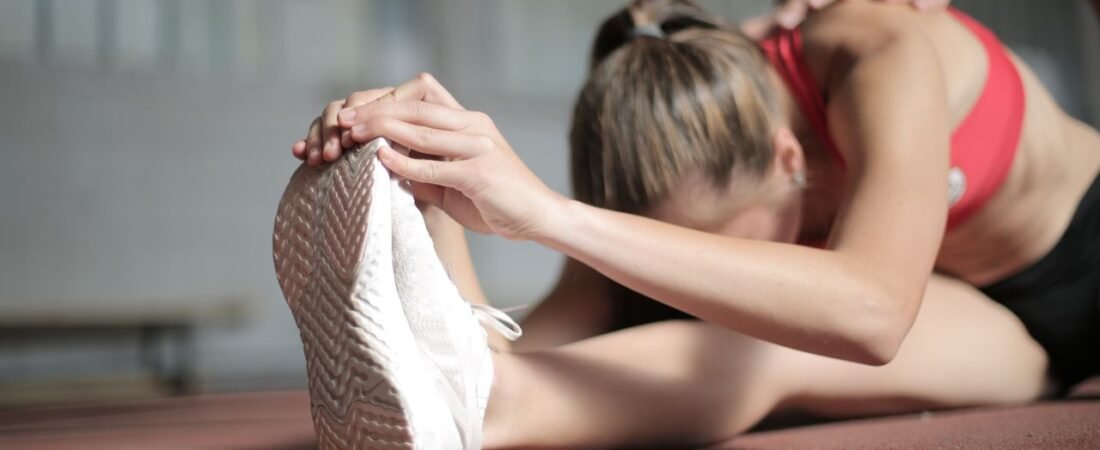
Good flexibility is an important part of overall fitness, but it is often overlooked. Being flexible does not mean being able to perform advanced stretches. It means having enough range of motion to move your joints comfortably and perform everyday activities with good control.
Regular flexibility exercises can help maintain or improve your range of motion when performed consistently and correctly. They can be especially useful for people who spend long periods sitting, have limited movement in certain areas, or want to improve their overall mobility.
The key is to avoid forcing a stretch. Flexibility usually improves gradually through consistent practice rather than aggressive stretching.
If you are new to exercise, you can first explore our guide to [6 Best Exercises for Beginners to Improve Strength and Fitness], which covers basic movements for building overall fitness.
Why Are Flexibility Exercises Important?
Flexibility refers to the ability of a joint or group of joints to move through an available range of motion. Mobility is a broader concept that also involves strength, coordination, and control during movement.
Good flexibility and mobility can make everyday movements more comfortable. They can also complement strength and cardiovascular training by allowing you to move through exercises with appropriate range and control.
However, flexibility is individual. Factors such as age, activity level, joint structure, previous injuries, and training habits can influence how flexible someone naturally is.
The goal should therefore be better movement and comfortable range of motion, rather than trying to achieve a particular stretching position. If you are building your fitness routine from the beginning, these beginner exercises for overall strength and fitness can help you establish a basic foundation.
- Standing Hamstring Stretch
The hamstrings are the muscles located along the back of your thighs. Tightness in this area can make movements such as bending forward or reaching toward your feet feel restricted.
A standing hamstring stretch provides a simple way to gently work on flexibility in the back of the legs.
How to Perform It
Stand upright with your feet comfortably apart. Place one heel slightly in front of you with the toes pointing upward.
Keep your back relatively straight and gently bend forward from your hips until you feel a mild stretch along the back of the extended leg.
Hold the position while breathing normally, then return to the starting position and switch sides.
- Cat-Cow Stretch
The Cat-Cow movement is a gentle mobility exercise that moves the spine through controlled positions.
It is commonly used as part of warm-ups because it encourages active movement rather than simply holding a static stretch.
How to Perform It
Start on your hands and knees with your hands underneath your shoulders and knees underneath your hips.
Slowly round your back toward the ceiling while allowing your head to follow the movement naturally.
Then gradually reverse the movement by bringing your chest forward and gently extending your spine.
Move slowly between the two positions while breathing comfortably.
Why It Helps
Cat-Cow can help you become more aware of spinal movement and may be useful before a workout or after long periods of sitting.
Keep the movement comfortable rather than trying to create the largest possible range of motion.
- Hip Flexor Stretch
The hip flexors help move your thigh toward your torso. They can become uncomfortable or feel restricted when you spend long periods sitting.
A gentle hip flexor stretch can help you work on movement around the front of the hip.
How to Perform It
Begin in a half-kneeling position with one knee on the floor and the opposite foot in front of you.
Keep your torso upright and gently move your hips forward.
You should feel a mild stretch at the front of the hip of the leg positioned behind you.
Hold the position while breathing normally, then switch sides.
- Child’s Pose
Child’s Pose is a gentle floor-based stretch that can involve the hips, thighs, ankles, and back.
It is often used as a relaxation or recovery movement because it allows the body to settle into a comfortable position.
How to Perform It
Start on your hands and knees.
Slowly move your hips backward toward your heels while extending your arms forward.
Allow your head and neck to relax comfortably without forcing them toward the floor.
Stay in the position while taking slow, comfortable breaths.
Modification for Beginners
If your hips do not comfortably reach your heels, place a cushion or folded towel underneath your hips or knees for support.
The position should feel comfortable and relaxed rather than painful.
- Seated Torso Rotation
Seated torso rotations work on rotational movement through the upper body and can help develop controlled trunk mobility.
This exercise is particularly useful for people who spend much of their day sitting.
How to Perform It
Sit upright on a chair or on the floor with your spine in a comfortable neutral position.
Place your hands across your chest or lightly behind your head.
Slowly rotate your upper body toward one side while keeping your lower body relatively stable.
Return to the center and repeat on the opposite side.
How Often Should You Do Flexibility Exercises?
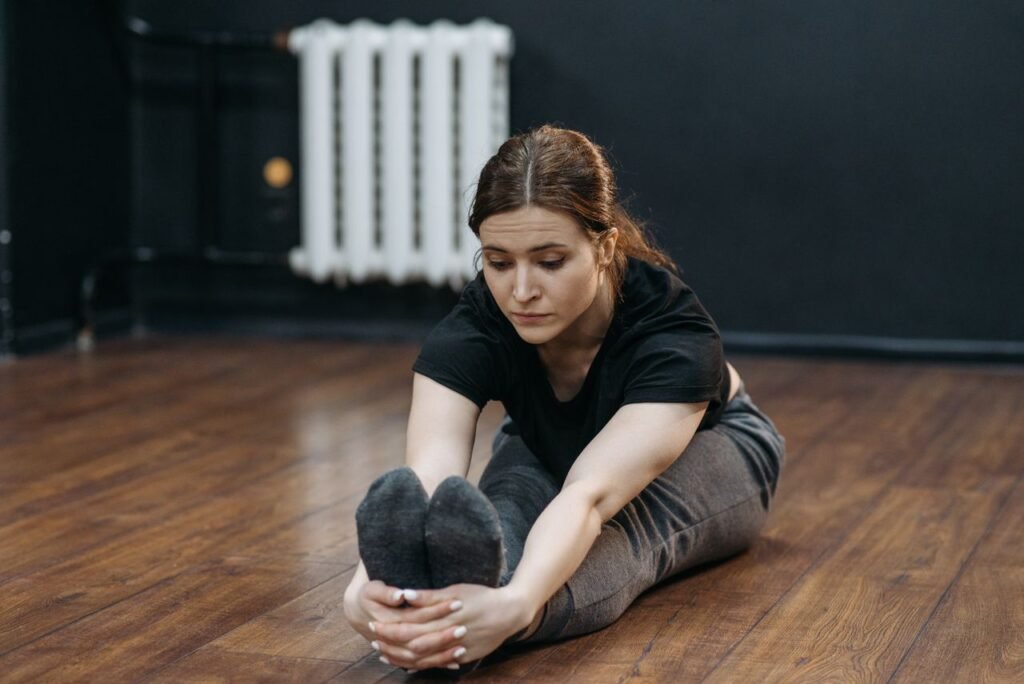
Consistency is more important than performing long stretching sessions occasionally.
You can include these movements in your routine several times per week, depending on your goals and current activity level.
A short 5–10 minute mobility session can be useful before or after regular exercise. Static stretches are generally more appropriate when the body is already warm, while gentle dynamic movements can be incorporated into a warm-up.
If you already follow a strength routine, flexibility work can complement it rather than replace it.
For example, our [5 Best Leg Exercises for Stronger Legs and Better Lower-Body Fitness] focuses on lower-body strength, while these flexibility exercises can help you work on comfortable movement and range of motion.
Flexibility vs. Mobility: What’s the Difference?
Although the terms are often used together, flexibility and mobility are not exactly the same.
Flexibility is largely about how much a muscle and surrounding tissues can lengthen.
Mobility refers more broadly to how well you can actively control movement through a joint’s available range of motion.
For example, someone may be able to passively stretch into a position but have difficulty controlling that same range during an exercise.
That is why a balanced fitness routine should include strength, mobility, flexibility, and cardiovascular activity rather than focusing on only one area.
How to Improve Flexibility Safely
Start Gradually
If you are new to stretching, begin with short sessions and comfortable ranges of motion. Your body needs time to adapt.
Don’t Force a Stretch
You should generally feel tension or a mild stretch, not sharp or intense pain.
Breathe Normally
Holding your breath can make stretching feel more difficult. Maintain slow, comfortable breathing.
Stay Consistent
Flexibility tends to improve gradually. Regular practice is generally more useful than occasional intense stretching.
Combine Stretching With Strength Training
Strength exercises performed through an appropriate range of motion can complement flexibility work and help you develop better movement control.
Final Takeaway
Flexibility exercises can be a simple addition to a balanced fitness routine. Standing hamstring stretches, Cat-Cow, hip flexor stretches, Child’s Pose, and seated torso rotations provide beginner-friendly ways to work on movement and range of motion.
You do not need to force deep stretches or spend a long time exercising. Focus on controlled movements, comfortable positions, regular practice, and gradual progress.
For overall fitness, combine flexibility and mobility work with strength training and regular physical activity.
Sources
CDC – Physical Activity Basics:
https://www.cdc.gov/physical-activity-basics/
U.S. Department of Health & Human Services – Physical Activity Guidelines:
https://health.gov/our-work/nutrition-physical-activity/physical-activity-guidelines
American College of Sports Medicine (ACSM):
https://www.acsm.org/
Mayo Clinic – Fitness and Exercise:
https://www.mayoclinic.org/healthy-lifestyle/fitness
American Council on Exercise (ACE) – Exercise Library:
https://www.acefitness.org/resources/everyone/exercise-library/