
A balanced diet is more than simply eating healthy foods. It means giving your body a variety of nutrients in the right proportions so it can support energy, growth, digestion, immunity, muscle function, and overall well-being. Instead of focusing on one particular food or nutrient, a balanced diet combines different food groups and creates a sustainable eating pattern that can work in everyday life. Many people think healthy eating requires expensive foods, complicated meal plans, or strict restrictions. In reality, the foundation is much simpler: include a variety of nutritious foods, choose mostly minimally processed options, drink enough fluids, and maintain reasonable portion. A balanced diet can also look different from person to person. Age, activity level, lifestyle, cultural food choices, and individual nutritional needs can all influence what an ideal daily diet looks like. In this guide, we will explore 5 essential components of a balanced diet and how you can apply them to everyday meals without making healthy eating unnecessarily complicated.
What Is a Balanced Diet?
A balanced diet provides a combination of carbohydrates, protein, fats, vitamins, minerals, fiber, and fluids from a variety of foods. No single food provides everything your body needs, which is why dietary variety is so important.
A practical balanced plate might contain vegetables or fruits, a source of protein, whole grains or another carbohydrate-rich food, and a moderate amount of healthy fat. Water can then help support hydration throughout the day. The goal isn’t perfection at every meal. What matters more is the overall pattern of your eating across the day and wee. If you are building your general healthy-eating habits, you may also find our guide on How to Build a Healthy Eating Plan useful.
5 Essential Components of a Balanced Diet
1. Protein: The Building Block of a Balanced Diet

Protein is one of the most important components of a balanced diet because it supplies amino acids that the body uses to build and maintain tissues. Protein is also involved in enzymes, hormones, and many other biological processes.
Why Protein Matters
Your body constantly repairs and replaces cells and tissues. Adequate protein intake helps provide the raw materials required for these processe. Protein can also make meals more satisfying, which may help you feel comfortably full after eating. This is particularly useful when creating meals that need to provide sustained energy rather than a quick burst followed by hunger. Good protein sources include fish, eggs, poultry, beans, lentils, soy foods, dairy products, nuts, seeds, and other plant-based option. Rather than relying on just one source, rotating different protein foods throughout the week can improve dietary variety.
How to Add Protein to Everyday Meals
You can add protein without completely changing your usual meals:
- Add eggs or yogurt to breakfast.
- Include beans or lentils with lunch.
- Choose fish, poultry, tofu, or another protein source at dinner.
- Add nuts or seeds to suitable meals or snacks.
The important point is not to make every meal extremely high in protein. Instead, aim to include a reasonable protein source as part of your overall eating pattern.
2. Whole Grains, Fruits and Vegetables: Build the Nutrient Base

Carbohydrates are an important source of energy, and the quality of carbohydrate-rich foods matters. Whole grains, fruits, and vegetables can provide carbohydrates together with fiber, vitamins, minerals, and other beneficial plant compounds.
Choose Nutrient-Rich Carbohydrates
Whole grains such as oats, brown rice, whole-grain bread, barley, and whole-wheat products generally provide more fiber and nutrients than refined grains Fruits and vegetables add another important dimension to a balanced diet. They provide different vitamins, minerals, fiber, and naturally occurring plant compounds Instead of trying to completely eliminate carbohydrates, focus on choosing nutritious sources more often For example, you could replace refined grains with whole grains or add an extra serving of vegetables to a meal.
Why Variety Matters
Different fruits and vegetables contain different combinations of nutrients. Eating a variety of colors and types throughout the week is therefore a simple way to increase dietary diversity. You don’t necessarily need exotic or expensive produce. Seasonal and locally available fruits and vegetables can be excellent choices.
3. Healthy Fats: An Important Part of Balanced Eating
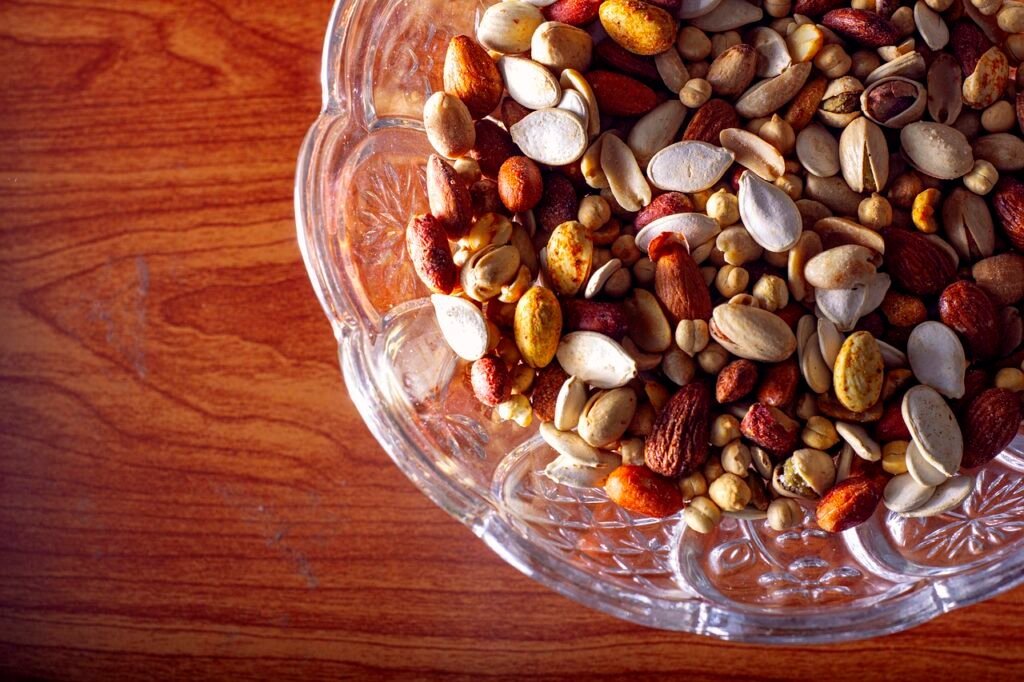
Fat is sometimes treated as something that should be avoided, but your body needs dietary fat. The key is understanding that different types of fat have different nutritional roles. Unsaturated fats are commonly found in foods such as nuts, seeds, avocados, olive oil, and many types of fish.
Why Your Body Needs Dietary Fat
Dietary fat helps the body absorb fat-soluble vitamins such as vitamins A, D, E, and K. Fat also contributes to cell structure and provides energy Including moderate amounts of nutritious fat can make meals more satisfying and flavorful. However, because fat contains more calories per gram than protein or carbohydrates, portion size still matters.
Simple Ways to Include Healthy Fats
Try adding a small amount of nuts or seeds to meals, using plant oils appropriately during cooking, or including fish as part of your weekly food choice The goal isn’t to eat unlimited amounts of “healthy fats.” A balanced diet is about appropriate amounts and overall dietary quality.
4. Vitamins, Minerals and Fiber: The Nutritional Support System
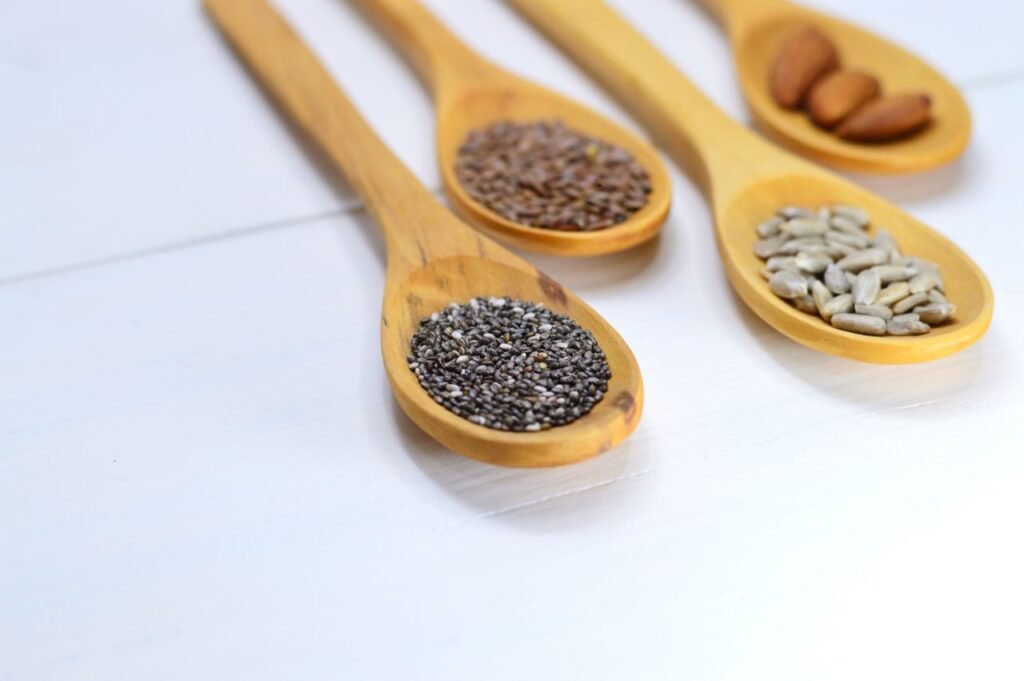
A diet can provide enough calories but still lack important nutrients. Vitamins and minerals are required for many functions, including normal metabolism, immune function, bone health, blood formation, and nerve and muscle function. Fiber is another important part of a healthy eating pattern. It is found naturally in plant foods such as vegetables, fruits, legumes, whole grains, nuts, and seeds.
Why Micronutrients Matter
Vitamins and minerals don’t necessarily provide energy like carbohydrates, protein, and fat, but they help the body use energy and perform essential physiological functions For example, minerals such as magnesium contribute to normal muscle and nerve function, while iron is important for oxygen transport in the bod This is one reason why eating a wide variety of foods is generally more useful than focusing heavily on one “superfood.”
Fiber and Digestive Health
Fiber can support digestive health and can also contribute to feelings of fullness. Increasing fiber gradually while drinking enough fluids can make the transition easier for people who currently eat very little fiber. Instead of suddenly changing your entire diet, add more vegetables, fruits, legumes, and whole grains step by step.
5. Water and Hydration: The Often-Forgotten Part of a Balanced Diet

Food receives most of the attention when people discuss nutrition, but hydration is also an important part of healthy eating. Water is involved in many essential processes in the body. Your fluid needs can vary depending on factors such as activity, climate, body size, diet, and health status.
How Much Water Do You Need?
There isn’t one universal amount that works perfectly for every person. Your body loses water through urine, sweat, breathing, and other processes, so fluid requirements change with circumstances A practical approach is to drink regularly throughout the day and pay attention to thirst and other signs of hydration During hot weather or prolonged physical activity, fluid needs may increase. You can also get some water from foods such as fruits, vegetables, soups, and other beverages.
For more information, read our related article Benefits of Drinking Enough Water Every Day.
How to Create a Balanced Diet in Real Life
Knowing the components of a balanced diet is useful, but applying them to real meals is what makes the information practical. A simple approach is to think about your plate rather than obsessing over individual nutrients.
For a typical meal, you can combine:
| Food Component | Examples |
| Protein | Eggs, fish, poultry, beans, lentils, tofu |
| Whole grains/carbohydrates | Oats, brown rice, whole wheat, barley |
| Vegetables | Leafy greens, carrots, broccoli, peppers |
| Fruits | Apples, oranges, berries, bananas |
| Healthy fats | Nuts, seeds, avocado, olive oil |
| Fluids | Water, unsweetened beverages |
You don’t need every component in exactly equal amounts at every meal. The objective is to create balance across your overall diet. For example, a lunch could include brown rice, lentils, mixed vegetables, yogurt, and water. Another meal might include whole-grain bread, eggs, vegetables, fruit, and a small serving of nuts. This flexible approach is generally easier to maintain than a highly restrictive diet.
Balanced Diet vs. Restrictive Diet
A healthy diet does not necessarily mean removing everything you enjoy. Highly restrictive diets can sometimes make eating socially and practically difficult. A sustainable approach allows flexibility while keeping nutritious foods at the center of your regular meals. You can enjoy occasional treats while still maintaining a generally nutritious eating pattern. The bigger picture matters more than one meal.
If you want to understand the broader advantages of healthy eating, explore
Benefits of Eating Healthy: 10 Powerful Ways to Support Your Body.
Simple Tips to Improve Your Diet
You don’t have to change everything at once. Start with a few realistic habits:
- Add more variety – Rotate different vegetables, fruits, grains, and protein sources.
- Choose whole foods more often – Make minimally processed foods the foundation of most meals.
- Include protein regularly – Add a suitable protein source to meals.
- Drink water regularly – Keep hydration in mind throughout the day.
- Watch portions without obsessing – Even nutritious foods can contribute excessive calories when eaten in very large amounts.
- Plan simple meals – Preparing basic ingredients in advance can make healthier choices easier.
- Make gradual changes – Sustainable habits are usually easier to maintain than sudden extreme restrictions.
References & Sources
- NHS – The Eatwell Guide
https://www.nhs.uk/live-well/eat-well/food-guidelines-and-food-labels/the-eatwell-guide/ - Harvard T.H. Chan School of Public Health – The Nutrition Source
https://nutritionsource.hsph.harvard.edu/ - MedlinePlus – Healthy Eating
https://medlineplus.gov/healthy-eating.html - USDA – Dietary Guidelines for Americans
https://www.dietaryguidelines.gov/ - USDA – FoodData Central
https://fdc.nal.usda.gov/
Disclaimer
This article is intended for general educational and informational purposes only. It is not a substitute for medical advice, diagnosis, or treatment. Individual nutritional needs can vary based on age, health conditions, medications, and lifestyle. If you have concerns about magnesium deficiency, supplementation, or a specific medical condition, consult a qualified healthcare professional before making significant dietary changes.