
Magnesium rich foods can be an easy way to improve the nutritional quality of everyday meals. Magnesium is an essential mineral involved in hundreds of processes in the body, including normal muscle and nerve function, energy production, and maintaining healthy bones. Yet getting enough does not have to mean relying on supplements. A varied diet can provide magnesium through foods such as seeds, nuts, beans, whole grains, and vegetables.
The key is not to search for one “perfect” magnesium food. Instead, choosing several different sources throughout the week gives your diet more nutritional variety. Below are five practical options that are easy to find and can fit into ordinary meals.
Why Magnesium Rich Foods Matter for Everyday Nutrition
Magnesium has several important roles in the body. It participates in energy metabolism, contributes to normal muscle and nerve function, and is involved in processes related to protein production and bone health. The amount a person needs varies by age and sex, which is why overall dietary patterns are more useful than focusing on a single food. Food sources are particularly valuable because they often provide other nutrients at the same time. For example, nuts and seeds can provide healthy fats and protein, while beans and whole grains can contribute fiber and other minerals. If your overall diet is limited in variety, adding a few magnesium-rich choices can be a practical nutritional improvement.
Read More Article: “Benefits of Eating Healthy: 10 Powerful Ways to Support Your Body.”
5 Magnesium Rich Foods to Add to Your Diet
1. Pumpkin Seeds: A Convenient Magnesium-Rich Choice

Pumpkin seeds are one of the most concentrated food sources of magnesium. They are also useful because they require almost no preparation. A small portion can be added to oatmeal, yogurt, salads, soups, or homemade snack mixes. What makes pumpkin seeds particularly interesting is that they do not provide magnesium alone. They also contain protein, unsaturated fats, and other minerals. This makes them more nutritionally useful than simply looking at their magnesium number. However, portion size still matters. Seeds are energy-dense, so a small handful can be enough to add nutritional value without turning a simple snack into a very high-calorie meal.
2. Almonds: Magnesium Along With Healthy Fats

Almonds are another practical choice when looking for magnesium rich foods. They provide magnesium along with protein, fiber, and predominantly unsaturated fats. Their combination of nutrients can make them a satisfying addition to meals and snacks. Instead of eating large quantities at once, use almonds as a small component of a balanced diet. They can be eaten on their own, mixed into oatmeal, added to yogurt, or chopped over fruit. Choosing unsalted almonds is often a better everyday option than heavily salted or sugar-coated varieties. The goal is to gain the nutritional benefits of the food without adding unnecessary amounts of sodium or added sugar.
3. Black Beans: Magnesium With Fiber and Plant Protein
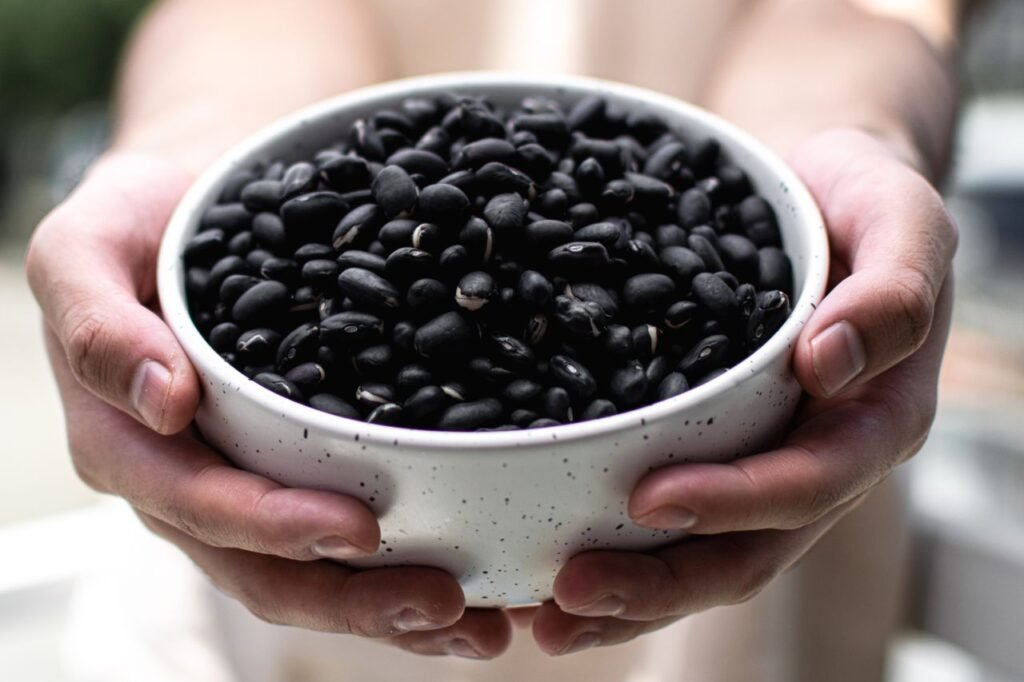
Black beans offer a different nutritional profile from nuts and seeds. They provide magnesium along with plant protein, fiber, and carbohydrates, making them useful for building a more complete meal. Their fiber content is particularly valuable because fiber is an important part of a healthy eating pattern. Beans can be added to salads, soups, wraps, rice-based meals, or vegetable bowls. If you use canned beans, check the label and consider choosing lower-sodium varieties. Rinsing canned beans under running water can also help reduce some of the sodium. Black beans are especially useful for people who want to include more plant-based foods in their diet without depending on highly processed meat alternatives.
4. Edamame: A Nutrient-Dense Plant Food

Edamame, or young soybeans, is another food worth including in a varied diet. It provides plant protein and several nutrients, including magnesium. Because it can be served hot or cold, edamame is also quite versatile. You can add cooked edamame to grain bowls, salads, stir-fries, or soups. It can also work as a simple snack when lightly seasoned. One advantage of edamame is that it combines protein with other nutrients in one food. This makes it easier to build meals that are more nutritionally balanced rather than relying heavily on refined carbohydrates alone. For packaged or frozen varieties, check whether salt has been added, particularly if you are trying to keep sodium intake under control.
5. Oatmeal: An Easy Whole-Grain Source
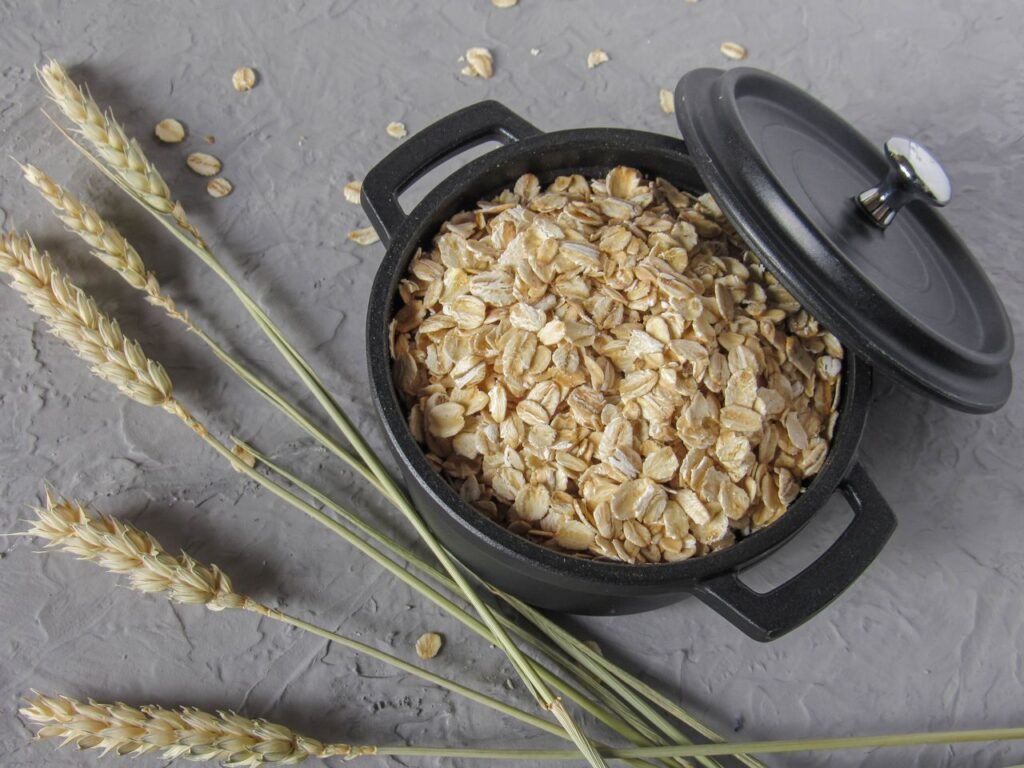
Oats are a simple food that can contribute magnesium while also providing whole-grain carbohydrates and fiber. They are particularly convenient because they can be prepared in minutes and customized with other nutrient-rich ingredients. A bowl of oatmeal can become much more substantial when combined with nuts, seeds, fruit, or plain yogurt. This creates a meal containing a broader range of nutrients instead of relying on a flavored instant oatmeal product alone When buying packaged oatmeal, compare labels. Some flavored varieties can contain significant amounts of added sugar. Plain oats give you more control over sweetness and toppings. Oatmeal is also useful beyond breakfast. Oats can be incorporated into homemade snacks, savory recipes, or used as an ingredient in certain baked dishes.
How to Get More Magnesium From Food
Eating one magnesium-rich food occasionally is unlikely to transform your diet. A better approach is to build several sources into your normal eating pattern. For example, you might have oats and pumpkin seeds at breakfast, almonds as a snack, and black beans or edamame as part of lunch or dinner. This approach spreads different nutrients across the day without requiring a complicated meal plan. It is also worth remembering that food contains nutrients in combinations. A meal containing whole grains, vegetables, legumes, nuts, or seeds can provide a much broader nutritional profile than a single isolated supplement.
Magnesium Rich Foods vs. Supplements: Which Should You Choose?

For most people, food should be the starting point for meeting nutritional needs. Supplements can be useful in specific situations, but taking more magnesium is not automatically better.
High supplemental intakes of certain forms of magnesium can cause gastrointestinal side effects such as diarrhea and abdominal discomfort. Magnesium supplements can also interact with some medications.
If you have been advised to take magnesium because of a medical condition, medication, or documented deficiency, follow guidance from a qualified healthcare professional rather than changing the dose yourself.
Easy Ways to Include Magnesium Rich Foods in Your Routine
You do not need to redesign your entire diet. Small additions can make the habit easier to maintain.
- Add pumpkin seeds to oatmeal or salads.
- Keep a small portion of unsalted almonds available for snacks.
- Add black beans to soups, wraps, and grain bowls.
- Mix edamame into stir-fries or vegetable bowls.
- Choose plain oats and add fruit, nuts, or seeds yourself.
The bigger goal is dietary variety. Different foods provide different combinations of nutrients, so rotating your choices can be more useful than eating the same food every day.
Read More articles : “12 Foods for Gut Health That Support Better Digestion.”
How Much Magnesium Do You Need?
Magnesium requirements depend on age and sex. According to the U.S. National Institutes of Health, recommended amounts for adults generally range from around 310–320 mg per day for women and 400–420 mg per day for men, although individual needs can differ. This does not mean you need to count every milligram. For most healthy people, regularly eating a varied diet containing whole grains, legumes, nuts, seeds, vegetables, and other nutrient-dense foods is a practical way to improve magnesium intake.. People with certain gastrointestinal disorders, kidney problems, or other health conditions may have different nutritional considerations. If you are concerned about your magnesium intake, discussing your diet with a healthcare professional is the safest approach.
Final Takeaway
Magnesium rich foods do not need to be complicated or expensive. Pumpkin seeds, almonds, black beans, edamame, and oats are five practical choices that can add magnesium while contributing other useful nutrients to your diet Rather than depending on one food, aim for variety across the week. Combine these foods with vegetables, fruits, whole grains, protein sources, and healthy fats to create meals that are both nutritious and enjoyable. Good nutrition is built through consistent everyday choices—not through a single “superfood.”
Sources & References
- National Institutes of Health – Office of Dietary Supplements
Magnesium Fact Sheet for Health Professionals
https://ods.od.nih.gov/factsheets/Magnesium-HealthProfessional/ - National Institutes of Health – Office of Dietary Supplements
Magnesium Fact Sheet for Consumers
https://ods.od.nih.gov/factsheets/Magnesium-Consumer/ - USDA FoodData Central – Nutrient information for foods
https://fdc.nal.usda.gov/ - Harvard T.H. Chan School of Public Health – The Nutrition Source
Nutrition information and healthy dietary patterns
https://nutritionsource.hsph.harvard.edu/
Disclaimer
This article is intended for general educational and informational purposes only. It is not a substitute for medical advice, diagnosis, or treatment. Individual nutritional needs can vary based on age, health conditions, medications, and lifestyle. If you have concerns about magnesium deficiency, supplementation, or a specific medical condition, consult a qualified healthcare professional before making significant dietary changes.