
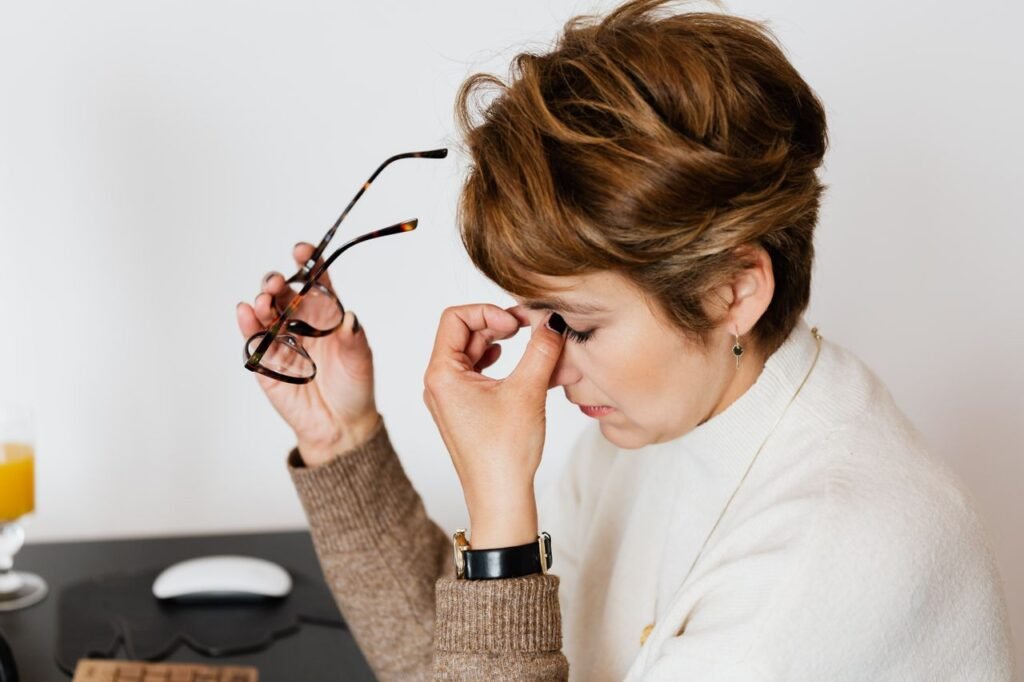
Anxiety is a normal human response that can occur when a person feels threatened, uncertain, pressured, or concerned about what might happen. Before an important examination, job interview, medical appointment, financial decision, or difficult conversation, it is common to experience nervousness, increased alertness, or worry. In these situations, anxiety can be part of the body’s natural response to perceived stress. The difficulty arises when worry becomes excessive, difficult to control, continues for a long time, or begins interfering with sleep, relationships, work, education, or everyday activities. Learning how to manage anxiety can help people develop healthier ways of responding to anxious thoughts and physical sensations, although self-care strategies should not be considered a guaranteed treatment for an anxiety disorder. Anxiety can affect both the mind and body. A person may experience persistent worrying, restlessness, difficulty concentrating, irritability, muscle tension, rapid heartbeat, sweating, stomach discomfort, or problems sleeping. Not everyone experiences anxiety in the same way, and symptoms can vary according to the situation and individual circumstances. Anxiety can also occur alongside other health conditions, which is why persistent or severe symptoms should not automatically be attributed to everyday stress. The National Institute of Mental Health notes that anxiety disorders involve more than temporary worry or fear and can interfere with everyday activities. [1] The good news is that there are several practical habits that may help people cope with everyday anxiety. These include understanding anxious thoughts, using relaxation strategies, maintaining physical activity, protecting sleep and daily routines, and staying connected with supportive people. These approaches are best viewed as tools that can complement appropriate professional care when necessary.
What Is Anxiety?
Anxiety is an emotional and physical response to perceived danger, uncertainty, or stress. It can involve thoughts, feelings, physical sensations, and changes in behavior. For example, a person waiting for an important medical result may worry about possible outcomes and notice a faster heartbeat or difficulty relaxing. These responses can occur even when there is no immediate physical danger because the brain is responding to a perceived future threat or uncertainty. Some anxiety can be useful. It may encourage someone to prepare for an examination, arrive on time for an appointment, check important information, or think carefully before making a decision. The goal of good mental wellness is therefore not to eliminate anxiety completely. Trying to remove every uncomfortable feeling can sometimes make a person more focused on whether anxiety is present. The more important question is whether anxiety is proportionate to the situation and whether it is interfering with life. When worry becomes difficult to control, occurs frequently without an obvious reason, causes substantial distress, or leads someone to avoid normal activities, professional assessment may be appropriate.
When Does Anxiety Become a Problem?
Occasional anxiety is common. However, anxiety disorders involve more persistent or significant symptoms that can interfere with daily life. Different anxiety disorders have different features, and only a qualified professional can determine whether someone meets the criteria for a particular condition. [1] Warning signs that deserve attention can include persistent excessive worry, repeated panic-like episodes, significant avoidance of everyday situations, ongoing sleep disruption, difficulty concentrating, or physical symptoms that are difficult to explain or manage. These symptoms do not automatically mean that someone has an anxiety disorder, but their persistence and impact are important.
A person should also remember that anxiety symptoms can sometimes overlap with physical health conditions or medication effects. If symptoms are new, severe, unusual, or concerning, medical evaluation may be appropriate rather than assuming that anxiety is the only possible explanation.
1. Understand and Challenge Anxious Thinking
One of the most useful steps in learning how to manage anxiety is recognizing how anxious thinking can influence feelings and behavior. Anxiety often involves anticipating possible negative outcomes. The mind may repeatedly ask, “What if something goes wrong?” or imagine a future event becoming much worse than the available information suggests. These thoughts can feel extremely convincing because anxiety is designed to make potential threats feel important. However, a thought is not necessarily a prediction of what will happen. Distinguishing between a possibility and a probability can help create a more balanced perspective. For example, thinking “I could make a mistake during my presentation” is different from concluding “I will definitely fail and everyone will think badly of me.” The first statement acknowledges uncertainty; the second treats a feared outcome as a certainty.
Separate facts from predictions
When anxiety rises, try writing down what you actually know about the situation and what you are predicting. Ask yourself what evidence supports your concern, what information may be missing, and whether there are alternative explanations. This does not mean forcing yourself to think positively. Unrealistic positive statements can feel unconvincing when someone is genuinely worried. A more useful approach is balanced thinking. Instead of saying, “Everything will definitely be fine,” you might say, “I cannot know exactly what will happen, but I can prepare for the situation and deal with problems if they occur.”
Focus on what you can control
Anxiety often becomes stronger when attention is directed toward outcomes that cannot currently be controlled. If you are worried about an upcoming examination, for example, repeatedly imagining the result may not be useful. Studying for a specific amount of time, organizing materials, asking questions, and getting adequate sleep are actions that can be influenced. This approach does not guarantee a particular outcome. It simply moves attention from endless prediction toward practical action.
Avoid constant reassurance seeking
Repeatedly asking other people whether everything will be okay, checking symptoms online, or repeatedly reviewing the same decision can provide temporary relief but may keep the cycle of anxiety going for some people. If reassurance becomes a constant requirement before you can move forward, discussing the pattern with a mental health professional may be helpful.
2. Use Relaxation and Grounding Techniques
When anxiety becomes intense, the body may respond with increased heart rate, muscle tension, rapid breathing, sweating, or a strong feeling of alertness. Relaxation and grounding techniques can provide a way to redirect attention and encourage a calmer physical state. One simple approach is controlled, comfortable breathing. Sit or stand in a supported position, relax your shoulders, and breathe gently while paying attention to the sensation of breathing. Avoid forcing extremely deep breaths or breathing rapidly. The purpose is to slow down and create a period of focused attention rather than to achieve a particular physical sensation. Mindfulness is another approach that involves paying attention to present-moment experiences with an attitude of openness and reduced judgment. Research has examined mindfulness and meditation approaches for anxiety and stress, although outcomes vary between individuals and these practices are not substitutes for appropriate treatment. [2]
Try a grounding exercise
Grounding can be useful when attention becomes absorbed in frightening thoughts about the future. One simple method is to deliberately notice details around you: what you can see, hear, feel, or smell. The purpose is not to convince yourself that the anxiety is imaginary but to reconnect attention with the present environment. For example, if you are sitting in a room, notice the texture of the chair, the sounds around you, the temperature of the room, and objects in your field of vision. This can give your attention something concrete to focus on instead of continuously rehearsing possible future outcomes.
Use relaxation regularly
Relaxation techniques may be more useful when practiced regularly rather than only during severe anxiety. A few minutes of quiet breathing, progressive muscle relaxation, mindfulness, gentle stretching, or another calming activity can become part of a daily routine. However, if relaxation exercises consistently make anxiety worse, cause distress, or bring up difficult memories, stop and discuss the experience with an appropriately qualified professional.
3. Stay Physically Active
Regular physical activity can be a useful component of anxiety management. Exercise supports physical health and has also been associated with psychological benefits. The World Health Organization recommends regular physical activity because of its broad effects on physical and mental health. [3] Physical activity can also provide a temporary break from repetitive worrying. A walk outdoors, cycling session, swim, strength workout, dance class, or recreational sport can shift attention away from anxious thoughts while also adding structure to the day. There is no requirement to perform intense exercise to support mental wellness. Someone who is currently inactive may benefit from beginning with manageable activity and gradually increasing it according to their abilities and circumstances. A short walk is a valid starting point.
Choose movement you enjoy
Long-term consistency is easier when physical activity is enjoyable or at least tolerable. If you dislike running, you do not need to run. Walking, swimming, cycling, yoga, sports, dancing, or resistance training may be better options. Physical activity should not become another source of anxiety. Missing a workout does not mean that your entire routine has failed. A sustainable approach allows for busy days, illness, travel, and other interruptions.
Don’t use exercise as a replacement for treatment
Although physical activity can support well-being, it should not be presented as a guaranteed treatment for an anxiety disorder. Someone experiencing severe anxiety may need psychotherapy, medication, or other professional care depending on their circumstances.
4. Protect Sleep and Build a Healthy Routine
Sleep and anxiety can influence one another. Worry can make it difficult to relax at bedtime, while insufficient or poor-quality sleep can make emotions, concentration, and everyday stress more difficult to manage. Most adults need at least seven hours of sleep per night, although individual needs vary. [4] Creating a relatively consistent sleep and wake schedule can provide structure. A relaxing bedtime routine, a comfortable sleep environment, and sensible caffeine habits may also support healthier sleep. The goal is not to create a perfect bedtime routine. A complicated routine can become another source of pressure. Instead, choose a few habits that make sense for your circumstances.
Create a predictable day
A predictable daily structure can reduce the amount of uncertainty surrounding basic responsibilities. Regular meals, work or study periods, physical activity, social contact, relaxation, and sleep can provide useful anchors. This does not mean scheduling every minute. Flexibility is important. A routine should make life easier rather than create guilt when something unexpected happens.
Reduce late-night worry
If your mind becomes particularly active at bedtime, consider setting aside a short period earlier in the evening to write down concerns and identify practical next steps. You can then return to your normal evening routine. Writing down a problem does not solve it, but it can reduce the need to repeatedly hold the same information in your mind. If sleep problems continue despite reasonable changes or regularly interfere with daytime functioning, discuss them with a healthcare professional.

5. Stay Connected and Avoid Unhealthy Coping
Anxiety can encourage avoidance and isolation. A person may stop attending social activities, avoid difficult conversations, or spend more time alone because interaction feels exhausting. Some temporary withdrawal can be understandable, but prolonged isolation may remove valuable sources of emotional support. Talking with someone you trust can provide perspective and remind you that you do not have to manage every difficult experience alone. This might be a family member, friend, colleague, mentor, counselor, doctor, or another trusted person. Social connection does not require discussing every detail of your anxiety. Sharing a meal, taking a walk, talking about an unrelated topic, or participating in an enjoyable activity can also provide meaningful connection.
Watch for unhealthy coping
Some coping strategies can provide immediate distraction while creating longer-term problems. Excessive alcohol use, tobacco, recreational drugs, gambling, compulsive shopping, overeating, or repeatedly avoiding responsibilities may become harmful ways of managing uncomfortable emotions. If you find that you depend on a substance or behavior to feel able to cope, consider discussing the situation with a healthcare professional. Needing support is not a personal failure. It may indicate that your current coping strategies are no longer working well.
Stay engaged with normal activities
Anxiety often tells people to wait until they feel completely comfortable before doing something. If that rule is followed consistently, life can become increasingly restricted. When appropriate and safe, gradually continuing ordinary activities can help prevent anxiety from determining every decision. This does not mean forcing yourself into situations that are genuinely dangerous or ignoring professional advice. It means recognizing that discomfort does not always mean something is unsafe.
What Is the Difference Between Anxiety and Stress?
Stress and anxiety can overlap, but they are not identical. Stress commonly develops in response to a recognizable external pressure, such as work demands, financial problems, relationship conflict, examinations, or major life changes. Anxiety can involve persistent fear or worry about potential threats, sometimes even when there is no immediate external stressor. A stressful situation can produce anxious feelings, and prolonged stress may contribute to emotional difficulties. However, experiencing stress or occasional anxiety does not automatically mean that a person has an anxiety disorder. The distinction matters because persistent anxiety that significantly interferes with everyday functioning may require professional assessment rather than being treated simply as ordinary stress.
How to Build an Anxiety Management Routine
You do not need to implement every possible anxiety-management strategy at once. Begin with a small routine that addresses the areas most relevant to your situation. For example, you might start the morning with a short walk, maintain a regular sleep schedule, spend a few minutes practicing comfortable breathing, and write down important tasks rather than repeatedly thinking about them throughout the day. You could also schedule regular contact with someone you trust. The routine should be flexible. Some days will be more difficult than others, and anxiety may increase during periods of illness, major life changes, financial pressure, relationship difficulties, or other stressful circumstances. Missing a habit occasionally does not mean that the entire routine has failed. A useful long-term goal is not to achieve a life with zero anxiety. Instead, aim to develop enough confidence in your coping skills that anxious feelings do not automatically control your decisions. You can acknowledge uncertainty, take reasonable precautions, complete practical tasks, seek support, and continue meaningful activities even when some anxiety remains.
Sources & References
- National Institute of Mental Health (NIMH) — Anxiety Disorders
- National Center for Complementary and Integrative Health (NCCIH) — Meditation and Mindfulness: Effectiveness and Safety
- World Health Organization (WHO) — Physical Activity
- Centers for Disease Control and Prevention (CDC) — About Sleep and Sleep Disorders
- National Institute of Mental Health (NIMH) — Caring for Your Mental Health
- National Institute of Mental Health (NIMH) — Mental Health Information
- World Health Organization (WHO) — Mental Health
Disclaimer : This article is for general educational purposes only and is not a substitute for professional medical advice, diagnosis, or treatment. If anxiety symptoms persist or interfere with daily life, consult a qualified healthcare professional. In an emergency or mental health crisis, seek immediate professional help