
Introduction
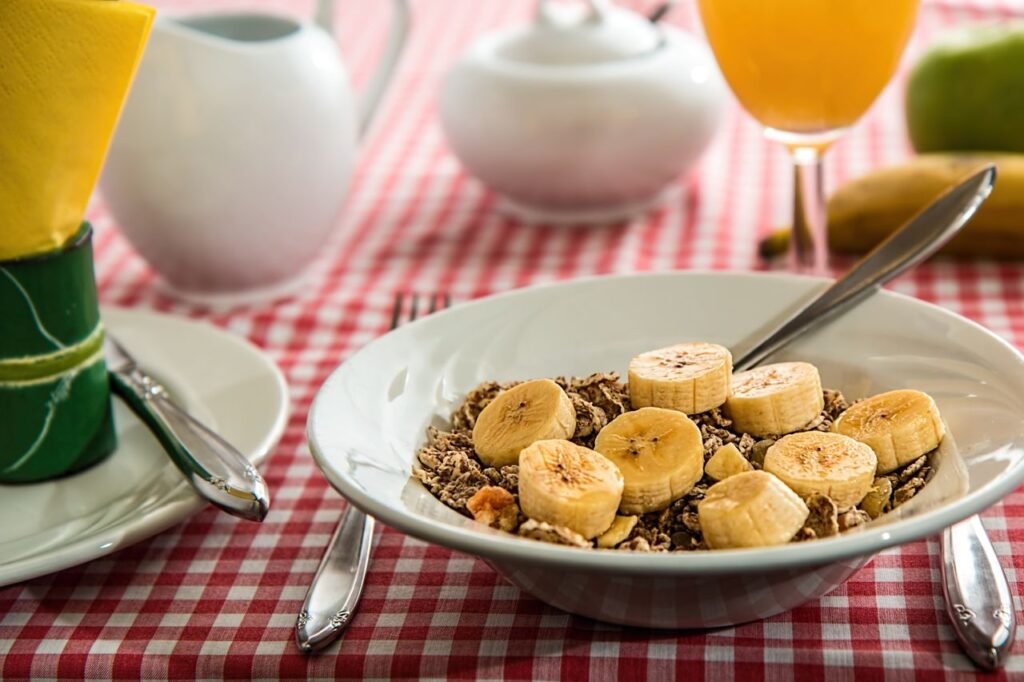
Potassium is an essential mineral that your body needs for several important functions. It helps support normal muscle contraction, nerve signaling, fluid balance, and healthy heart function. Because the body cannot produce potassium on its own, it needs to come regularly from food. When people think about potassium, bananas are often the first food that comes to mind. Bananas can contribute potassium, but they are far from the only option. Potatoes, sweet potatoes, beans, leafy vegetables, winter squash, dried fruits, dairy foods, and several other foods can also provide this mineral. The best way to get enough potassium is not to depend on one particular food. Instead, include a variety of whole and minimally processed foods throughout the week. This approach can provide potassium along with fiber, vitamins, minerals, and other nutrients that contribute to a balanced diet.
What Does Potassium Do in the Body?
Potassium is an electrolyte, which means it carries an electrical charge when dissolved in body fluids. It works together with other electrolytes to help maintain normal fluid and mineral balance. One of its important roles is supporting normal muscle function. Potassium is involved in the signals that allow muscles to contract and relax. This includes the muscles involved in everyday movement as well as the heart. Potassium also contributes to normal nerve function. Nerve cells rely on carefully controlled electrical signals to communicate with one another and with different parts of the body. Another important role is maintaining normal fluid balance inside and outside cells. Potassium and sodium work together in this process, which is why potassium intake is often discussed alongside overall sodium intake.
Foods Rich in Potassium to Add to Your Diet
There are many potassium rich foods that can fit naturally into everyday meals. Choosing different sources rather than repeatedly eating the same food is a simple way to increase dietary variety.
Potatoes With Their Skin
Potatoes are a practical source of potassium and can be prepared in many different ways. Keeping the skin on can also contribute additional fiber and nutrients. Instead of always preparing potatoes as fried food, try baking, roasting, boiling, or cooking them as part of a balanced meal. A baked potato served with vegetables and an appropriate protein source can be a simple and satisfying option.
Sweet Potatoes
Sweet potatoes provide potassium along with carbohydrates, fiber, and naturally occurring carotenoids. Their mild sweetness makes them suitable for both savory and simple meal preparations. They can be roasted, baked, mashed, or added to soups. Using sweet potatoes as an occasional alternative to other starchy foods can add variety to your diet while providing useful nutrients.
Coconut Water
Coconut water naturally contains potassium and other electrolytes. It can be refreshing, particularly in hot weather or after activities that involve sweating. However, coconut water should not be treated as a replacement for a balanced diet. Some commercial varieties contain added sugars, so checking the nutrition label is useful when choosing packaged products. For everyday hydration, plain water remains an important choice. Potassium containing foods can then contribute to your overall mineral intake through meals.
White Beans
White beans can be a particularly useful addition to a potassium rich diet. They also provide plant based protein and dietary fiber, making them more nutritionally substantial than foods that provide potassium alone. They can be added to soups, salads, vegetable dishes, or grain based meals. Using beans regularly can also make meals more filling while increasing overall plant food variety.
Beet Greens
Beet greens are the leafy tops of beets and are sometimes discarded even though they can be eaten. They provide potassium along with other vitamins, minerals, and plant compounds. They can be lightly cooked and served as a vegetable side dish or incorporated into soups and other meals. Using edible parts of vegetables that are commonly thrown away can also make cooking more resourceful.
Swiss Chard
Swiss chard is a leafy green vegetable that can contribute potassium and other nutrients. Its slightly earthy flavor works well with garlic, herbs, or a small amount of healthy cooking oil. It can be quickly sauteed or incorporated into vegetable dishes. Rotating different leafy vegetables through your meals is a useful way to increase dietary variety rather than depending on one type of green.
Winter Squash
Winter squash varieties can contribute potassium while providing carbohydrates, fiber, and colorful plant compounds. Their naturally rich texture makes them useful in soups, roasted vegetable dishes, and purees. Roasting squash can bring out its natural flavor without requiring complicated preparation. It can also be combined with other vegetables and a protein source to create a more complete meal.
Dried Apricots
Dried apricots are a concentrated source of several nutrients, including potassium. Because drying removes much of the water from fruit, the nutrients and natural sugars become more concentrated. They can be useful as part of a snack or added in small amounts to suitable meals. Portion awareness is helpful because dried fruit is more calorie dense than the same fruit in its fresh form.
Pomegranate
Pomegranate provides potassium along with fiber and various plant compounds. The seeds can be eaten on their own or added to salads, yogurt, or other dishes. Rather than relying on fruit juice, eating the whole fruit provides the added benefit of dietary fiber. Including different fruits throughout the week is a more useful strategy than focusing exclusively on one particular fruit.
Plain Yogurt
Plain yogurt can provide potassium along with protein and calcium. It can be eaten as part of breakfast or a snack and can also be combined with fruit or other nutritious ingredients. Choosing plain yogurt rather than heavily sweetened varieties can make it easier to control added sugar intake. The nutrition content can vary between products, so checking the label is worthwhile. For broader guidance on balanced nutrition, see
What Is a Healthy Diet? A Complete Guide to Balanced Nutrition.
Potassium and Sodium: Why Balance Matters
Potassium and sodium have closely connected roles in maintaining fluid and electrolyte balance. Both are essential nutrients, but modern diets can sometimes contain substantial amounts of sodium because of processed foods, packaged snacks, sauces, and restaurant meals. Increasing potassium containing whole foods is one part of a balanced eating pattern. It should not be interpreted as permission to consume unlimited amounts of salty foods. A practical approach is to eat more vegetables, fruits, beans, and other nutrient rich foods while being mindful of foods that are particularly high in sodium. This supports overall dietary quality rather than focusing on one mineral in isolation.
How to Add More Potassium to Everyday Meals
Increasing potassium intake does not require a complete change in your eating habits. Small adjustments can make potassium containing foods a regular part of meals. A baked potato can replace a heavily processed side dish at dinner. Sweet potato can be added to a vegetable meal. White beans can be mixed into soups or salads, while leafy greens can be quickly cooked alongside a main meal. Fruit can also provide convenient options between meals. Pomegranate or a moderate serving of dried apricots can add variety to snacks, while plain yogurt can work as a simple breakfast or snack option. The aim is not to count every milligram of potassium unless you have been specifically advised to do so. For most people, building meals around a variety of whole foods is a more sustainable approach.
Potassium as Part of Overall Nutrition
Potassium is only one part of a healthy eating pattern. Your body also needs adequate protein, fiber, healthy fats, carbohydrates, vitamins, minerals, and fluids. This is why it is useful to look at your diet as a whole. A meal that contains a potassium rich vegetable can also include a suitable protein source and healthy fat. Similarly, a fruit can be paired with other nutritious foods rather than being viewed as an isolated source of one mineral. If you are working on improving the quality of your overall diet, our guide to What Is a Healthy Diet? A Complete Guide to Balanced Nutrition can provide a broader foundation. You can also explore High Fiber Foods: How to Get More Fiber From Everyday Foods when planning meals around vegetables, beans, grains, fruits, and other plant foods.
Who Should Be Careful With High Potassium Foods?
Although potassium is essential, more is not always better for everyone. People with certain kidney conditions may have difficulty removing excess potassium from the blood. Some medications can also affect potassium levels. For this reason, someone who has kidney disease, has been told that their potassium level is abnormal, or takes medications that affect potassium should not significantly increase potassium intake without professional advice. This is particularly important when considering potassium supplements or concentrated electrolyte products. A healthcare professional can determine whether dietary changes or supplementation are appropriate for an individual’s situation. Healthy people generally do not need to avoid potassium containing foods simply because they contain potassium. The concern is mainly relevant to people with specific medical conditions or risk factors. For more information about increasing fiber through plant foods, see
High Fiber Foods: How to Get More Fiber From Everyday Foods.
Should You Take Potassium Supplements?
Food is generally the preferred way to obtain potassium for most people. Whole foods provide potassium together with other nutrients that contribute to overall dietary quality. Potassium supplements are not something to take casually. Excess potassium in the blood can be dangerous, particularly for people with kidney problems or those taking certain medications. If you believe your diet is low in potassium, it is better to review your eating pattern with a healthcare professional or qualified dietitian before starting a supplement. In many cases, the more appropriate approach may simply be to improve the variety and quality of the diet.
Sources and References:
National Institutes of Health Office of Dietary Supplements. Potassium Fact Sheet for Consumers.
https://ods.od.nih.gov/factsheets/Potassium-Consumer/
National Institutes of Health Office of Dietary Supplements. Potassium Fact Sheet for Health Professionals.
https://ods.od.nih.gov/factsheets/Potassium-HealthProfessional/
MedlinePlus. Potassium in Diet.
https://medlineplus.gov/ency/article/002413.htm
National Kidney Foundation. Potassium and Your CKD Diet.
https://www.kidney.org/kidney-topics/potassium-and-your-ckd-diet
Harvard T.H. Chan School of Public Health. Potassium.
https://nutritionsource.hsph.harvard.edu/potassium/
USDA FoodData Central.
https://fdc.nal.usda.gov/
Disclaimer:
This article is intended for general educational and nutrition information only. It is not intended to diagnose, treat, or prevent any medical condition. People with kidney disease, abnormal potassium levels, or medical conditions affecting electrolyte balance should consult a qualified healthcare professional before making significant changes to their potassium intake.