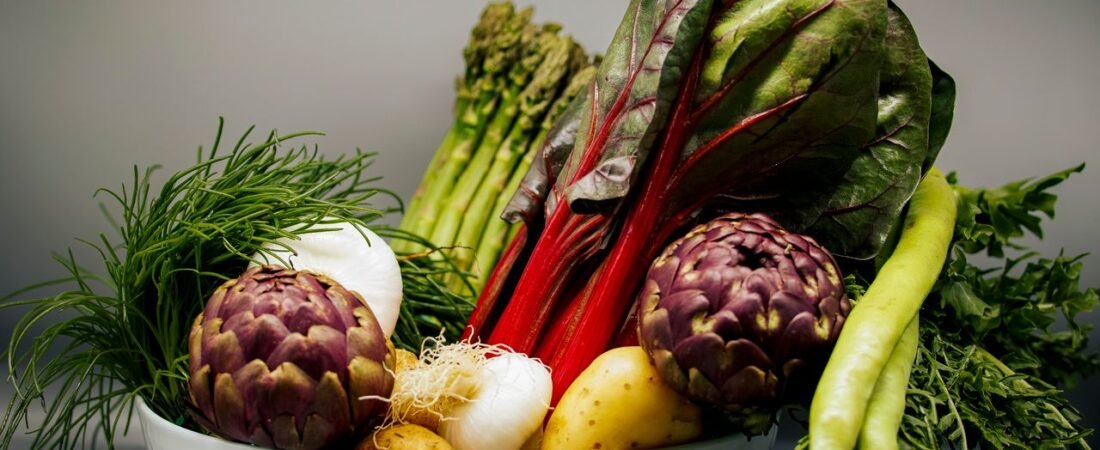
Your gut is home to trillions of microorganisms that interact with the food you eat every day. These microorganisms are often referred to as the gut microbiome, and the foods you choose can influence the environment in which these beneficial bacteria live and grow. This is where prebiotic foods become important. Prebiotic foods contain certain types of dietary fibers and naturally occurring compounds that are used as food by beneficial microorganisms in the gut. Unlike probiotic foods, which provide live microorganisms, prebiotic foods help support the microorganisms that are already present in your digestive system. A healthy eating pattern does not need to be complicated to include prebiotics. Everyday foods such as onions, garlic, asparagus, slightly green bananas, leeks, and chicory root can provide prebiotic compounds. Including a variety of these foods in a balanced diet can help support a diverse gut environment and overall digestive wellness.
Prebiotic Foods in Five Simple Points
Prebiotic foods provide compounds that beneficial gut microorganisms can use as nourishment. Prebiotics are different from probiotics, although both can contribute to gut health. Onions, garlic, asparagus, leeks, and green bananas are natural sources of prebiotic compounds. Increasing prebiotic foods gradually can help the digestive system adjust to higher fiber intake.A varied diet, adequate fluids, regular movement, and healthy eating habits work together to support digestive health.
What Are Prebiotic Foods?
Prebiotic foods are foods that contain specific nondigestible carbohydrates, fibers, or other compounds that can be selectively utilized by beneficial microorganisms in the gut. Because these substances are not completely broken down in the upper digestive tract, some reach the large intestine, where gut microorganisms can ferment them. One important group of prebiotic compounds is fructans, which are found naturally in foods such as garlic, onions, and leeks. Another is resistant starch, which can occur in foods such as slightly green bananas. Certain other plant compounds can also influence the gut microbiome. The important point is that prebiotics are not simply “fiber” in general. Many prebiotic foods are rich in fiber, but not every type of dietary fiber has the same effect on gut microorganisms. This is one reason why eating a variety of plant foods is more useful than focusing on only one source.
How Prebiotics Support a Healthy Gut
When beneficial gut microorganisms ferment prebiotic compounds, they can produce substances known as short-chain fatty acids. These compounds are involved in several processes related to the health of the large intestine and the broader gut environment. For example, one short-chain fatty acid called butyrate is an important energy source for cells lining the colon. Fermentation also contributes to the overall environment of the large intestine and can influence how certain nutrients and compounds are processed. Prebiotics may also help encourage a more diverse microbial community when they are consumed as part of a varied diet. Gut microbiome diversity is an active area of nutrition research, and scientists continue to study how dietary patterns influence the microorganisms living in the digestive tract. This does not mean that eating one particular prebiotic food will automatically solve digestive problems. Gut health is influenced by many factors, including overall diet, sleep, physical activity, stress, medications, and individual health conditions.
Natural Prebiotic Foods to Add to Your Diet
Garlic
Garlic is one of the most concentrated everyday sources of prebiotic fructans. These compounds can reach the large intestine and provide fermentable material for certain gut microorganisms. Garlic can be added to soups, vegetable dishes, sauces, marinades, and homemade meals. Using it regularly as a flavoring ingredient is a simple way to increase dietary variety without making major changes to your meals.
Onions
Onions contain fructans and other plant compounds that make them a useful addition to a gut-friendly eating pattern. Red, white, and yellow onions can all be incorporated into different meals. Try adding cooked onions to lentil dishes, vegetable preparations, homemade curries, or whole-grain meals. If raw onions cause digestive discomfort, cooked onions may be easier for some people to tolerate.
Asparagus
Asparagus contains prebiotic compounds, including inulin-type fructans. It also contributes fiber and several micronutrients to the diet. Roasted, steamed, or lightly cooked asparagus can be served alongside a balanced meal. Keeping preparation simple can help preserve its natural texture and flavor while making it easy to include regularly.
Leeks
Leeks belong to the same plant family as onions and garlic and contain prebiotic fructans. Their mild flavor makes them useful in soups, vegetable dishes, stews, and savory recipes.Adding different vegetables from the same plant family can increase dietary variety rather than depending on a single food for gut health.
Slightly Green Bananas
Bananas that are still slightly green contain more resistant starch than fully ripe bananas. Resistant starch can pass through parts of the digestive tract without being completely digested and may reach the large intestine. As a banana ripens, some of its starch changes into simpler sugars, so the amount and type of resistant starch can change. This makes slightly green bananas an interesting food choice for people who want to include different types of fermentable carbohydrates.
Chicory Root
Chicory root is particularly well known as a natural source of inulin, a prebiotic fiber. It is used in some foods and beverages as an ingredient and can contribute significant amounts of prebiotic fiber. Because concentrated sources of inulin can cause gas or bloating in sensitive individuals, it is better to introduce them gradually rather than suddenly consuming large amounts.
Prebiotic Foods and Probiotic Foods: What Is the Difference?

Prebiotic and probiotic foods are related but they are not the same thing. Probiotic foods contain live microorganisms that may provide health benefits when consumed in adequate amounts. Examples can include certain fermented foods containing live cultures. Prebiotic foods, on the other hand, provide nourishment that selected microorganisms can use. In simple terms, probiotics provide microorganisms, while prebiotics provide food for certain microorganisms. Both can fit into a balanced diet, but neither needs to be treated as a magic solution for digestive health. Overall dietary quality and variety remain important. For a broader look at foods that support digestion, :
12 Foods for Gut Health That Support Better Digestion
How to Add Prebiotic Foods Without Digestive Discomfort
If your current diet is relatively low in fiber, suddenly adding large amounts of prebiotic foods may lead to temporary gas, bloating, or changes in bowel habits. This does not necessarily mean that prebiotic foods are unsuitable for you. Your digestive system may simply need time to adapt. Start with small portions and gradually increase the amount as your body becomes accustomed to them. Eating a variety of plant foods throughout the week is generally more practical than trying to consume large quantities of one particular food. Adequate fluid intake is also important when increasing dietary fiber. Water supports normal digestion and helps fiber move through the digestive tract. If you are already interested in increasing your overall fiber intake, the related article
High Fiber Foods: How to Get More Fiber From Everyday Foods provides additional guidance
Who Should Be More Careful With Prebiotic Foods?
Most healthy adults can include prebiotic-rich foods as part of a balanced diet. However, individual tolerance can vary significantly. People with certain digestive disorders or those following medically prescribed diets may need to modify the amount or type of fermentable carbohydrates they consume. Foods rich in fructans, for example, can cause significant symptoms in some people with sensitive digestive systems. If you regularly experience severe bloating, persistent abdominal pain, unexplained weight loss, prolonged diarrhea or constipation, blood in the stool, or other concerning digestive symptoms, it is better to speak with a qualified healthcare professional instead of trying to manage the problem only through dietary changes.
Prebiotics Are Only One Part of Gut Health
Eating prebiotic foods is useful, but gut health depends on more than a single nutrient or food group. A diverse eating pattern that includes different vegetables, fruits, legumes, whole grains, nuts, seeds, and other minimally processed foods can provide a wider range of fibers and plant compounds. Your daily habits also matter. Regular physical activity, adequate hydration, sufficient sleep, and sensible food choices can all contribute to overall digestive wellness. It is also worth remembering that your gut microbiome is highly individual. A food that feels comfortable for one person may cause bloating in another. The goal should not be to follow a rigid “perfect gut health” diet, but to gradually build an eating pattern that is nutritious, varied, and comfortable for your body. For practical guidance on creating a sustainable everyday eating pattern, see the HealthNovaPlus article How to Build a Healthy Eating Plan.
Sources and References
Harvard T.H. Chan School of Public Health – The Nutrition Source: Fiber
https://nutritionsource.hsph.harvard.edu/carbohydrates/fiber/
International Scientific Association for Probiotics and Prebiotics (ISAPP) – Prebiotics
https://isappscience.org/for-scientists/resources/prebiotics/
National Institute of Diabetes and Digestive and Kidney Diseases (NIDDK) – Your Digestive System & How It Works
https://www.niddk.nih.gov/health-information/digestive-diseases/digestive-system-how-it-works
Disclaimer
This article is for general educational and informational purposes only. It is not intended to diagnose, treat, cure, or prevent any medical condition. People with digestive disorders, kidney disease, food intolerances, or other medical conditions should consult a qualified healthcare professional before making significant dietary changes.