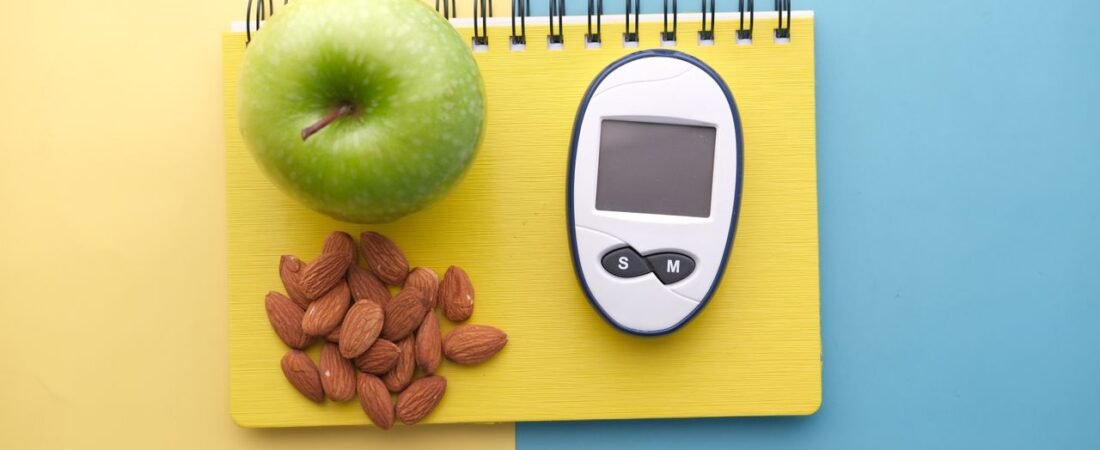
Foods for healthy blood sugar can be part of an eating pattern that helps provide steady energy and better overall nutrition. Blood sugar naturally rises after eating, particularly when a meal contains carbohydrates. The size and speed of that rise can vary depending on the type and amount of carbohydrate, as well as what else is included in the meal.
This is why healthy blood sugar management is not simply about avoiding sugar. A meal containing whole-food carbohydrates, protein, fiber, and healthy fats can behave very differently from a meal built primarily around refined carbohydrates and added sugars.
Your body also regulates blood glucose through hormones such as insulin. The way this system responds to food is influenced by many factors, including physical activity, sleep, stress, medications, body composition, and overall health.
The goal, therefore, isn’t to find one magical food that “controls” blood sugar. A more practical approach is to build meals around nutritious foods and combinations that support a balanced eating pattern.
This guide explores foods for healthy blood sugar and explains how oats, barley, chickpeas, plain Greek yogurt, chia seeds, berries, and non-starchy vegetables can fit into everyday meals.
Important: This article provides general nutrition information. If you have diabetes, prediabetes, take glucose-lowering medication, or have been advised to monitor your blood sugar, your dietary needs may be different. Follow your healthcare professional’s guidance.
What Affects Blood Sugar After You Eat?
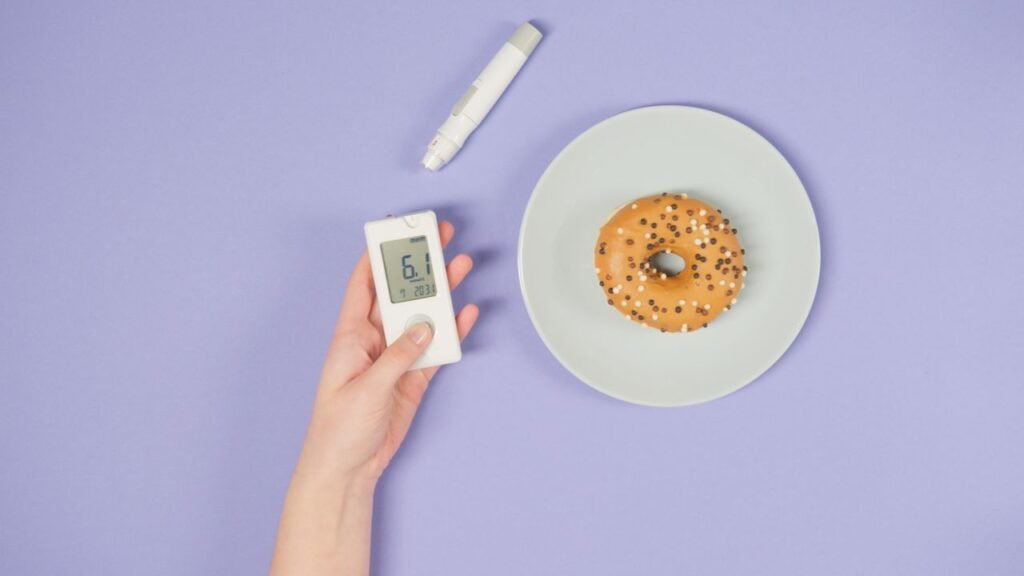
Carbohydrates are the main macronutrient that directly raises blood glucose after eating. But the response isn’t determined by carbohydrates alone. The type of carbohydrate matters. Refined carbohydrates are generally digested more quickly than many minimally processed, fiber-rich carbohydrate sources. Fiber can slow digestion and absorption, while protein and fat can influence how quickly a meal is digested. Portion size also matters. Even a nutritious carbohydrate source can contribute a substantial amount of carbohydrate when eaten in a very large serving. This is why focusing on the entire meal is often more useful than labeling individual foods as simply “good” or “bad.”
Foods for Healthy Blood Sugar Work Best in Balanced Meals
Consider a bowl of plain oats. Eating a large bowl of highly sweetened oatmeal is different from having a moderate serving of plain oats combined with berries, chia seeds, and a protein source. The second meal contains several nutritional components that can make it more balanced and satisfying. This same principle can be applied to lunch and dinner.
Oats Provide Fiber and a Satisfying Source of Carbohydrates
Oats are a whole grain that provides carbohydrates, fiber, protein, vitamins, and minerals. They are especially well known for containing beta-glucan, a type of soluble fiber. Because oats are minimally processed compared with many refined breakfast products, they can be a useful carbohydrate choice for people trying to build a more balanced diet. The type of oats matters, too. Steel-cut and rolled oats generally have a different texture and digestion profile from instant oats, particularly when instant varieties contain added sugar.
How to Make Oats More Balanced
Instead of preparing oats with large amounts of sugar, try combining them with:
- Plain yogurt
- Chia seeds
- Berries
- Cinnamon
- Nuts or seeds
This creates a meal containing carbohydrates alongside protein, fiber, and healthy fats.
For more information about fiber-rich foods, explore:
High Fiber Foods: Nutritious Choices for Better Digestive Health
Barley Offers a Fiber-Rich Whole Grain Option
Barley is another whole grain that can fit well into a blood-sugar-conscious eating pattern. It contains soluble fiber, including beta-glucan, along with carbohydrates and other nutrients. Its chewy texture makes it useful in soups, salads, and grain-based meals. It can also replace some refined grains in recipes where you want a more substantial texture. Barley is particularly useful because it adds variety. Healthy eating does not require eating the same grain every day.
Simple Ways to Eat Barley
Cooked barley can be mixed with vegetables and a protein source to create a balanced lunch or dinner. It can also be added to vegetable soup or used as a base for a grain bowl. As with any carbohydrate-containing food, the amount you eat still matters. Whole grain does not mean unlimited portions.
Chickpeas Combine Fiber and Plant Protein
Chickpeas provide both dietary fiber and plant protein, making them particularly useful when building satisfying meals. Unlike foods that are primarily refined carbohydrates, chickpeas provide several nutritional components in one food. Their fiber content can also contribute to digestive health and overall diet quality. Chickpeas can be used in salads, soups, curries, grain bowls, and hummus.
Build a Balanced Chickpea Meal
Try combining chickpeas with non-starchy vegetables, a modest serving of whole grains, and a source of healthy fat. For example, a chickpea and vegetable bowl with tomatoes, cucumber, leafy greens, and a simple dressing can be both filling and nutritionally varied.
If you’re also interested in protein-rich nutrition, you can read: High Protein Foods: Nutritious Choices for a Healthy Diet
Plain Greek Yogurt Adds Protein Without Much Added Sugar
Plain Greek yogurt can be a useful option for people looking for a protein-rich food with relatively little added sugar. Protein doesn’t have the same immediate effect on blood glucose as carbohydrate, and including protein in a meal can make it more satisfying. The key word here is plain. Flavored yogurts can vary considerably in their added sugar content, so reading the nutrition label is worthwhile.
How to Turn Greek Yogurt Into a Balanced Snack
Combine plain Greek yogurt with berries and chia seeds. This provides protein, fiber, and carbohydrates in a simple combination. If you prefer more sweetness, fruit can provide natural sweetness without requiring a large amount of added sugar.
Chia Seeds Add Fiber and Healthy Fats
Chia seeds are small, but they provide fiber, protein, and unsaturated fats. Their ability to absorb liquid and form a gel-like consistency is one reason they work well in foods such as overnight oats and yogurt bowls. Because chia seeds contain substantial amounts of fiber, they can be an easy way to increase the fiber content of a meal without significantly changing the flavor.
Practical Ways to Use Chia Seeds
Add a spoonful to:
- Oatmeal
- Plain yogurt
- Smoothies
- Homemade puddings
As with nuts and seeds generally, remember that they are energy-dense. More is not automatically better.
Berries Provide Fiber and Naturally Occurring Carbohydrates
Berries such as strawberries, raspberries, and blueberries can add natural sweetness to meals while providing fiber and various plant compounds. Whole berries are generally a more nutritionally complete choice than fruit-flavored drinks or heavily sweetened fruit products because they retain their natural fiber and require chewing. This makes berries particularly useful when you’re trying to reduce your reliance on highly sweetened snacks without eliminating sweetness from your diet.
Add Berries to Balanced Meals
Berries work well with plain Greek yogurt, oats, chia seeds, or a small portion of nuts. They can also be eaten on their own as a snack. The goal isn’t to treat berries as a food that prevents blood sugar increases. They still contain carbohydrates. Instead, they are a nutrient-dense way to include fruit in a balanced diet.
Non-Starchy Vegetables Add Volume and Fiber
Non-starchy vegetables include foods such as broccoli, cauliflower, spinach, cucumber, peppers, mushrooms, and leafy greens. They generally provide fewer carbohydrates per serving than starchy foods while contributing fiber, vitamins, minerals, water, and other plant compounds. This makes them extremely useful for building meals that contain plenty of food volume without relying heavily on refined carbohydrates.
Make Vegetables the Foundation of Your Plate
Instead of treating vegetables as a small side dish, make them a substantial part of lunch or dinner. Combine them with a protein source and an appropriate carbohydrate portion.
For example:
Vegetables + grilled chicken + barley
or
Vegetables + tofu + chickpeas
This approach gives your meal multiple nutritional components.
Foods for Healthy Blood Sugar: Quick Comparison
| Food | Key Nutritional Feature | Simple Meal Idea |
|---|---|---|
| Oats | Soluble fiber and whole-grain carbohydrates | Oatmeal with berries |
| Barley | Fiber and whole-grain carbohydrates | Grain bowl or soup |
| Chickpeas | Fiber and plant protein | Salad or curry |
| Plain Greek yogurt | Protein | Yogurt with berries |
| Chia seeds | Fiber and unsaturated fats | Oats or yogurt |
| Berries | Fiber and plant compounds | Snack or breakfast |
| Non-starchy vegetables | Fiber, water, vitamins, minerals | Lunch or dinner |
Why Fiber Matters for Blood Sugar
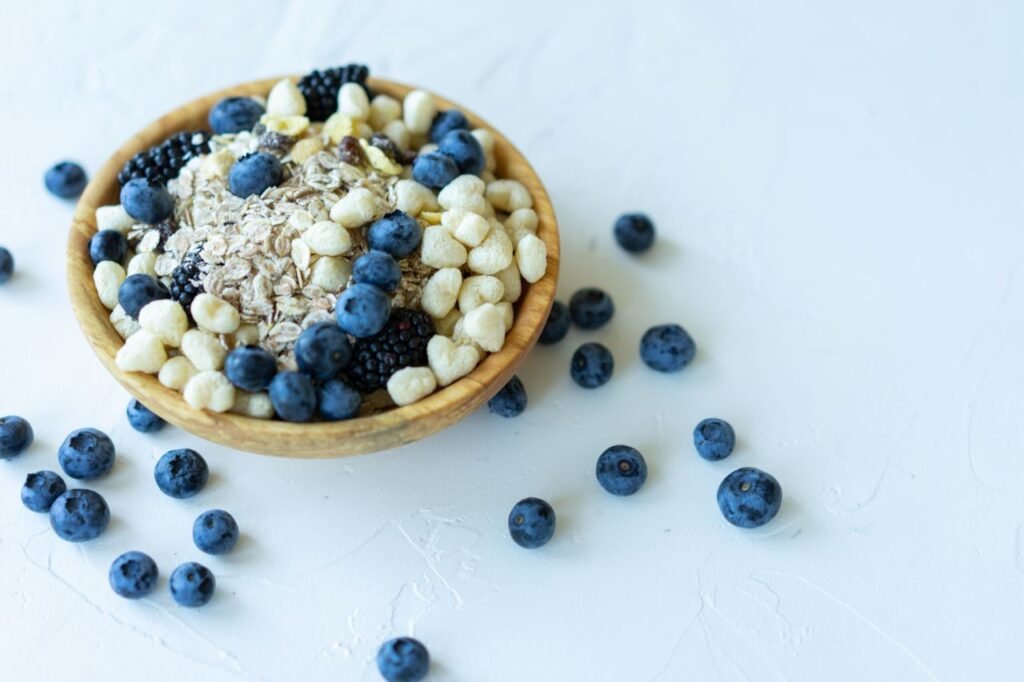
Fiber is a type of carbohydrate that the body does not fully digest. It is found naturally in plant foods and is an important part of a healthy diet. Some forms of fiber can slow digestion and the absorption of carbohydrates, which can influence the rise in blood glucose after a meal. Fiber also supports normal bowel function and can contribute to overall digestive health.
Increase Fiber Gradually
If your current diet is low in fiber, suddenly increasing your intake can cause gas, bloating, or abdominal discomfort. A gradual increase, along with adequate fluid intake, is often more comfortable. You don’t need to calculate every gram perfectly. Increasing the variety of vegetables, fruits, legumes, seeds, and whole grains in your diet is a practical starting point.
Pairing Carbohydrates With Protein Can Make Meals More Balanced
Carbohydrates are not something you need to fear. Your body uses glucose as an important energy source, and carbohydrate-containing foods can provide valuable nutrients. The issue is often what type of carbohydrate you choose, how much you eat, and what you eat alongside it. For example, fruit with plain yogurt provides a different nutritional combination than a large glass of sweetened fruit drink. Similarly, barley with chickpeas and vegetables creates a more complete meal than a large serving of refined grains eaten by itself. This is why meal composition matters.
Portion Size Still Matters With Healthy Foods
A common misconception is that if a food is nutritious, you can eat unlimited amounts of it. That’s not how nutrition works. Oats, barley, chickpeas, fruit, nuts, and seeds can all be healthy choices, but they still provide calories and, in some cases, substantial amounts of carbohydrates. Portion sizes should reflect your individual energy needs, activity level, health goals, and medical situation. If you have diabetes and use medication that can cause low blood glucose, portion and carbohydrate management may require individualized guidance.
Foods for Healthy Blood Sugar and Meal Timing
There is no single meal schedule that works for everyone. Some people prefer three regular meals, while others use different eating patterns. What matters most is finding a routine that fits your lifestyle and health needs. If you regularly skip meals and then become extremely hungry later, you may find it harder to make balanced choices. Planning meals and snacks in advance can make eating more consistent. For people taking glucose-lowering medication, meal timing may be particularly important and should be discussed with a healthcare professional.
Drinks Matter More Than Many People Realize
It’s easy to focus on food and forget about beverages. Soft drinks, sweetened coffees, energy drinks, and other sugary beverages can provide a significant amount of added sugar without offering much nutritional value. Water is a simple everyday choice. Unsweetened tea and coffee can also fit into a healthy diet for many people, although caffeine affects individuals differently.
If hydration is another area you’re working on, read: Benefits of Drinking Water and Staying Properly Hydrated
What About Sugar-Free and “Diabetic-Friendly” Foods?
A product labeled “sugar-free” isn’t automatically healthy. Some products replace sugar with other ingredients while remaining highly processed or calorie-dense. Instead of relying heavily on front-of-package claims, look at the nutrition facts panel and ingredient list. A diet based primarily on minimally processed foods is generally a more useful foundation than filling your shopping basket with products marketed specifically for blood sugar control.
Foods for Healthy Blood Sugar Should Be Part of an Overall Lifestyle
Food is only one factor that influences blood glucose. Physical activity can improve insulin sensitivity and glucose utilization. Sleep also matters because inadequate sleep can affect appetite and metabolic health. Stress can influence hormones and eating behavior as well. This means you shouldn’t judge your health based solely on individual meals. A consistent pattern of nutritious eating, regular movement, adequate sleep, and appropriate medical care is much more meaningful.
How to Build a Blood-Sugar-Friendly Plate
You don’t need to calculate every meal mathematically. A simple framework is to divide your plate around different food groups.
Start With Non-Starchy Vegetables
Make vegetables a substantial part of the meal.
Add a Protein Source
Choose foods such as fish, eggs, poultry, tofu, Greek yogurt, beans, or other appropriate protein sources.
Include a High-Fiber Carbohydrate
Depending on your needs, this could be barley, oats, beans, whole grains, or another minimally processed carbohydrate.
Add a Moderate Amount of Healthy Fat
Nuts, seeds, avocado, or an appropriate cooking oil can add flavor and nutritional variety. This framework is flexible. It can be adapted to different cuisines, budgets, and dietary preferences.
When Should You Speak With a Healthcare Professional?
If you have symptoms such as excessive thirst, frequent urination, unexplained weight loss, unusual fatigue, blurred vision, or slow-healing wounds, don’t try to diagnose yourself through diet alone. These symptoms can occur with diabetes and other health conditions and deserve appropriate medical evaluation. Likewise, if you’ve been told that your blood glucose or A1C is elevated, dietary changes should ideally be made with guidance appropriate to your situation. Food can be an important part of blood sugar management, but it is not a replacement for medical care.
Frequently Asked Questions About Foods for Healthy Blood Sugar
What are the best foods for healthy blood sugar?
There is no single best food. Fiber-rich whole grains, legumes, non-starchy vegetables, whole fruits, protein-rich foods, nuts, and seeds can all fit into a balanced eating pattern.
Can I eat fruit if I am concerned about blood sugar?
For most people, whole fruit can be part of a healthy diet. Whole fruit provides carbohydrates along with fiber and other nutrients. Individual needs differ, particularly for people with diabetes.
Are oats good for healthy blood sugar?
Oats can be a nutritious choice because they provide whole-grain carbohydrates and soluble fiber. Portion size and preparation matter, especially when choosing sweetened instant products.
Should I completely avoid sugar?
You don’t necessarily need to eliminate every source of sugar. A more practical approach is to limit excessive added sugar and prioritize nutrient-dense whole foods.
Does protein help with blood sugar management?
Including protein in meals can contribute to a more balanced meal and may improve satiety. However, protein is not a treatment for diabetes and does not eliminate the need to consider total carbohydrate intake.
Are carbohydrates bad for blood sugar?
No. Carbohydrates are an important source of energy and are found in nutritious foods such as fruits, legumes, whole grains, and vegetables. The type, amount, and combination of carbohydrates matter.
Final Thoughts
Choosing foods for healthy blood sugar is less about finding a perfect food and more about learning how to build balanced meals. Oats, barley, chickpeas, plain Greek yogurt, chia seeds, berries, and non-starchy vegetables can all contribute useful nutrients to an eating pattern that emphasizes fiber, protein, whole foods, and appropriate portions. You don’t need to eliminate carbohydrates or follow an extremely restrictive diet. Start with practical changes: choose minimally processed carbohydrate sources more often, add vegetables to your meals, include protein, pay attention to portions, and choose water or other unsweetened beverages regularly. And remember that blood sugar is influenced by much more than food. Physical activity, sleep, stress, medications, genetics, and overall health all matter. If you have diabetes, prediabetes, or persistent symptoms that concern you, use this information as a starting point for discussion with your healthcare professional rather than as a substitute for individualized medical advice.
Sources & References
American Diabetes Association
Eating Well & Managing Diabetes
https://diabetes.org/food-nutrition
Centers for Disease Control and Prevention
Diabetes and Healthy Eating
https://www.cdc.gov/diabetes/healthy-eating/index.html
National Institute of Diabetes and Digestive and Kidney Diseases
Healthy Living With Diabetes
https://www.niddk.nih.gov/health-information/diabetes/overview/diet-eating-physical-activity
Harvard T.H. Chan School of Public Health
The Nutrition Source – Carbohydrates
https://nutritionsource.hsph.harvard.edu/carbohydrates/
U.S. Department of Agriculture
MyPlate – Healthy Eating
https://www.myplate.gov/
Short Disclaimer
This article is for general informational purposes only and is not a substitute for professional medical or dietary advice. Consult a qualified healthcare professional for personalized guidance.