
High protein foods are an important part of a balanced diet because they provide essential nutrients that support muscle maintenance, tissue repair, and many everyday functions in the body. Many people automatically think about eggs, chicken, or protein powders when they hear the word protein. However, there are many other nutrient-rich options that can bring more variety to everyday meals.
Choosing different sources of protein throughout the week can make healthy eating more interesting while also providing a wider range of nutrients. Some foods provide protein along with healthy fats, while others contain minerals, vitamins, or other beneficial nutrients. The overall goal is not simply to consume as much protein as possible. A better approach is to include appropriate amounts of protein as part of meals that also contain vegetables, fruits, whole grains, and other nutritious foods.
In this article, we will explore five high protein foods that can add variety to your diet: turkey breast, sardines, shrimp, seitan, and hemp seeds. Each one has a different nutritional profile and can be used in practical everyday meals.
Important: Individual protein needs can vary depending on age, body size, physical activity, overall health, and other factors.
Quick Comparison of These High Protein Foods
| Food | Why It Stands Out | Easy Way to Include It |
|---|---|---|
| Turkey breast | Lean source of protein | Sandwiches, salads, or main meals |
| Sardines | Protein plus omega-3 fats | Toast, salads, or grain bowls |
| Shrimp | Protein-rich and versatile | Stir-fries, wraps, or rice dishes |
| Seitan | Plant-based protein option | Stir-fries, sandwiches, or bowls |
| Hemp seeds | Easy plant-based addition | Smoothies, salads, or grain dishes |
Why Variety Matters When Choosing High Protein Foods
Protein is an essential nutrient that provides amino acids used by the body for many important functions. However, protein-rich foods are not nutritionally identical. A fish, a seed, and a plant-based protein can all contribute protein while offering very different combinations of nutrients.
This is why variety can be useful. Relying on a single protein source for every meal may make eating repetitive and limit the range of foods in your diet. Including different high protein foods throughout the week can make meals more enjoyable and support a broader, more varied eating pattern.
A healthy eating pattern should also be considered as a whole. Protein is only one piece of the picture. For more information about the bigger benefits of building a balanced dietary pattern, you can read our related article:
Internal Link:
Benefits of Eating Healthy: 10 Powerful Ways to Support Your Body
1. Turkey Breast: A Lean and Versatile Protein Choice
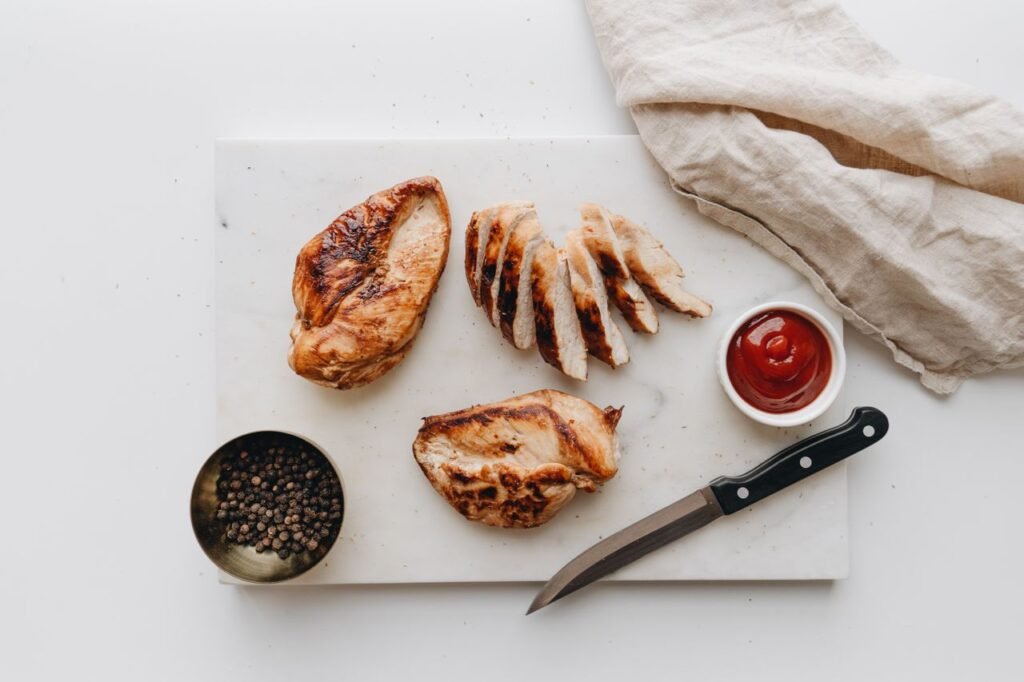
Turkey breast is one of the high protein foods worth considering when you want a relatively lean option that can be used in many different meals. It has a mild flavor, making it easy to combine with vegetables, grains, herbs, and other ingredients without overwhelming the dish.
One of the biggest advantages of turkey breast is its versatility. It can be roasted for a main meal, sliced for sandwiches, added to salads, or used in wraps and grain bowls. Preparing a larger portion in advance can also make weekday meal preparation more convenient.
How Turkey Breast Fits Into a Balanced Meal
Rather than eating turkey on its own, consider building a complete meal around it. For example, roasted turkey can be served with colorful vegetables and a whole-grain side dish. A turkey salad can include leafy greens, tomatoes, cucumber, and a simple dressing.
The way turkey is prepared can make a difference. Freshly cooked turkey breast is different nutritionally from heavily processed deli meats. When buying packaged products, checking the ingredient list and sodium content can help you make an informed choice.
Simple Turkey Meal Idea
Try a whole-grain wrap filled with sliced turkey, mixed vegetables, and a yogurt-based or light homemade dressing. This creates a practical meal that combines protein, carbohydrates, and vegetables without requiring complicated preparation.
2. Sardines: High Protein Foods With Healthy Fats

Sardines are often overlooked, but they can be a convenient and nutrient-dense addition to a varied diet. They provide protein and are also known for containing omega-3 fatty acids. Because sardines are commonly available in canned form, they can be a practical option to keep in the pantry for quick meals.
Many people avoid trying sardines because they are unsure how to prepare them. The good news is that they do not require complicated cooking. Depending on the product, sardines can be added directly to a meal or lightly incorporated into recipes with herbs, vegetables, or grains.
How to Add Sardines to Your Diet
A simple way to start is by serving sardines on whole-grain toast with sliced tomatoes and fresh herbs. They can also be mixed into salads or added to a grain bowl with vegetables.
If you are buying canned sardines, take a moment to check the label. Products can differ in the type of oil, added salt, and other ingredients. Comparing labels can help you choose an option that fits your dietary preferences.
High Protein Foods Don’t Need to Be Complicated
One useful lesson from sardines is that nutritious eating does not always require expensive or difficult recipes. A simple pantry ingredient, combined with fresh vegetables and a whole grain, can become a balanced and satisfying meal.
3. Shrimp: A Quick-Cooking Protein for Everyday Meals
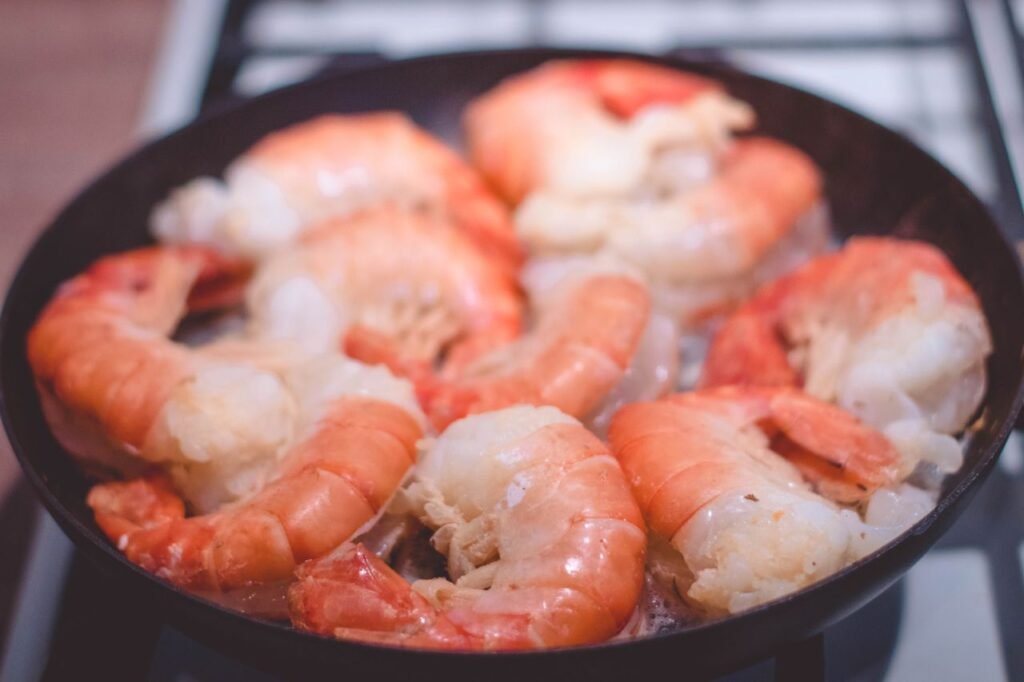
Shrimp is another option among high protein foods that can be particularly useful when you need something that cooks quickly. It has a mild taste and can work with many different flavors, from simple herbs and lemon to vegetable-based stir-fries and rice dishes.
Frozen shrimp can also be convenient because it allows you to keep a protein source available without needing to buy fresh ingredients every day. However, products can vary, so checking the package for added ingredients or sodium can be useful.
Building a Healthy Meal With Shrimp
Shrimp works best as one component of a balanced plate rather than the entire meal. For example, it can be combined with a large portion of vegetables and a carbohydrate source such as brown rice, quinoa, or another whole grain.
A simple shrimp and vegetable stir-fry can be an easy option. Use a variety of vegetables, moderate amounts of cooking oil, and seasonings that suit your taste. The result can be a colorful meal with different textures and nutrients.
A Simple Shrimp Dinner Idea
Combine cooked shrimp with roasted vegetables and a whole grain. Add herbs, lemon juice, or a simple homemade sauce for flavor. This approach keeps the recipe simple while allowing you to adjust ingredients based on your preferences.
4. Seitan: A Plant-Based High Protein Food
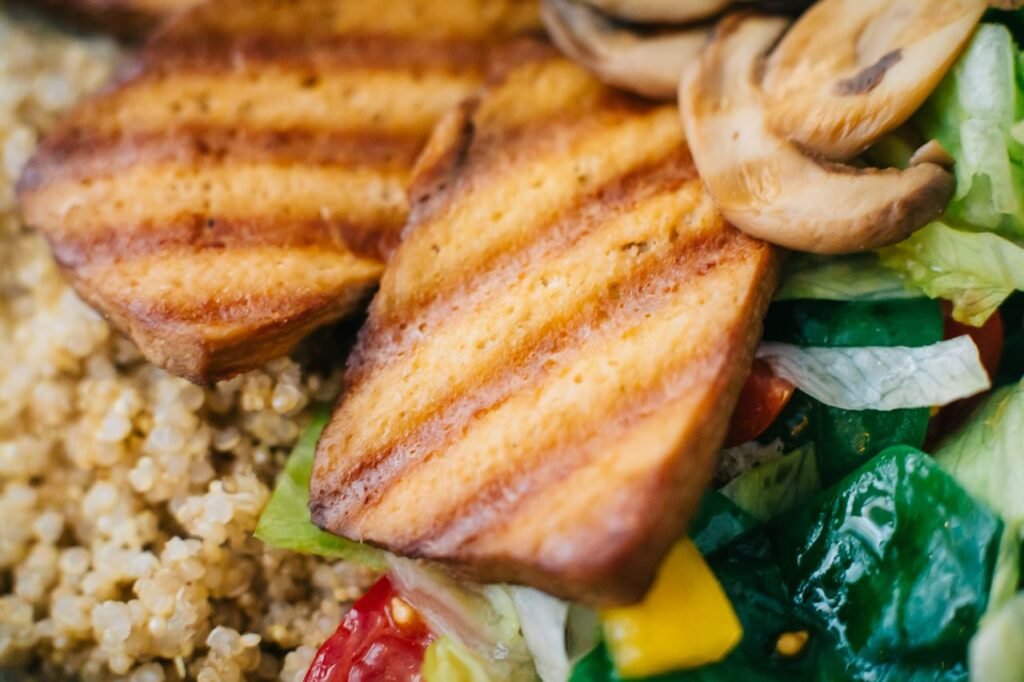
Seitan is a plant-based food made primarily from wheat gluten. It has a firm, meat-like texture and is often used as an alternative in plant-based meals. Compared with many other plant foods, seitan can provide a substantial amount of protein, making it an interesting option for people looking to add variety to plant-based meals.
One of the main advantages of seitan is its texture. It can be sliced, grilled, sautéed, or added to sandwiches and stir-fries. Because it has a relatively neutral base flavor, it can absorb marinades and seasonings well.
Who Should Avoid Seitan?
Seitan is made from wheat gluten, so it is not appropriate for people with celiac disease or those who need to avoid gluten for medical reasons. This is an important distinction because not every protein source is suitable for every person.
For people who can consume gluten and enjoy plant-based meals, seitan can offer another way to increase dietary variety.
How to Use Seitan in Everyday Cooking
Try adding strips of seitan to a vegetable stir-fry or using it in a sandwich with plenty of vegetables. It can also be included in grain bowls alongside roasted vegetables and a flavorful sauce.
When buying packaged seitan products, check the nutrition label because preparation methods and ingredients can vary significantly between brands.
5. Hemp Seeds: A Small Food With Big Versatility
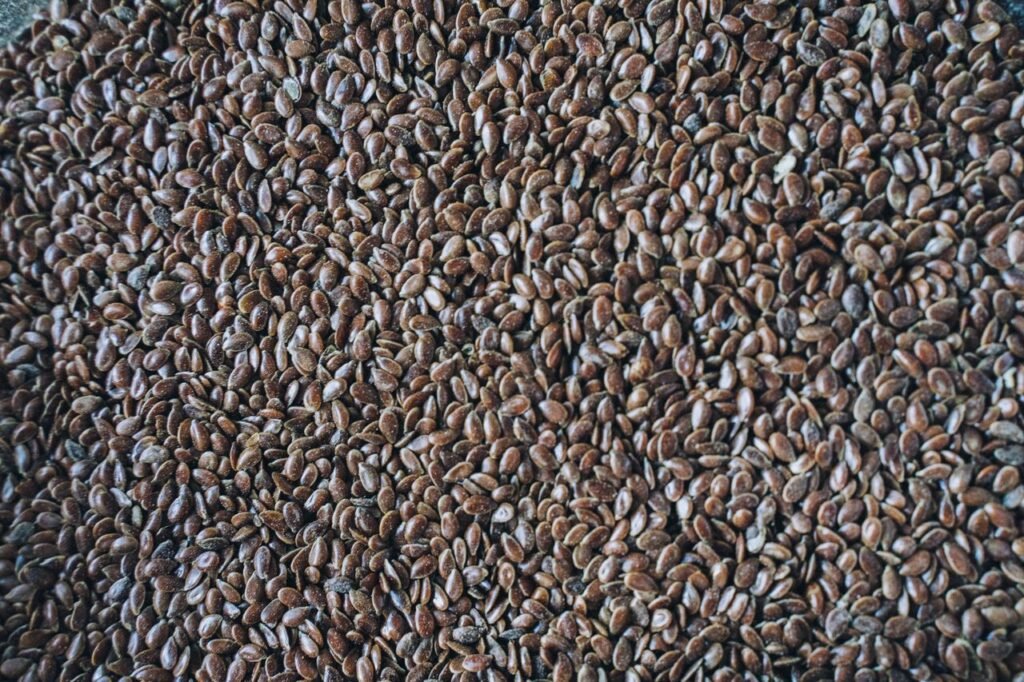
Hemp seeds are small, but they can be a convenient addition to meals when you want to include more variety in your diet. They provide some protein and contain unsaturated fats, making them different from larger protein foods such as fish or poultry.
One of the easiest things about hemp seeds is that they require almost no preparation. You can sprinkle them onto different meals rather than creating an entirely separate recipe. This makes them useful for people who want simple ways to diversify their food choices.
Easy Ways to Use Hemp Seeds
Hemp seeds can be added to salads, vegetable bowls, smoothies, or other meals where their mild, nutty flavor fits naturally. They can also be used as a topping to add texture to a dish.
The key is to use them as part of a varied diet rather than expecting one small food to provide everything your body needs.
High Protein Foods Can Include More Than Main Meals
When people think about protein, they often focus only on lunch and dinner. Foods such as hemp seeds show that smaller additions can also contribute to the overall nutritional value of your meals.
How to Choose the Right High Protein Foods for Your Diet
There is no single protein food that is best for everyone. The right choices depend on your food preferences, dietary pattern, budget, cooking habits, and individual health needs.
Someone who enjoys seafood may choose sardines or shrimp regularly. A person following a plant-based diet may prefer seitan or other plant protein sources. Another person may simply want a convenient ingredient that can be added to meals without much preparation.
A practical strategy is to rotate different foods throughout the week instead of eating the same protein source repeatedly.
For example:
- Choose seafood for one or two meals.
- Include a plant-based protein option on another day.
- Use lean poultry in a different meal.
- Add nutrient-rich seeds as a topping when appropriate.
This type of variety can make healthy eating easier to maintain over the long term.
How High Protein Foods Fit Into an Overall Healthy Diet
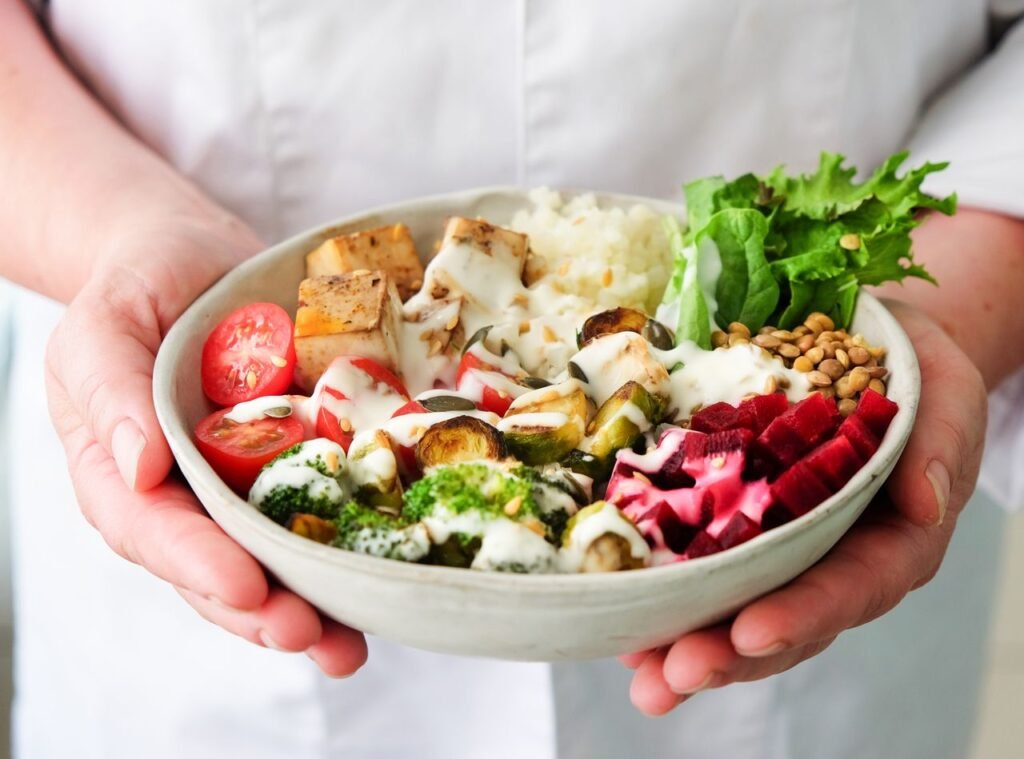
Choosing high protein foods is only one part of healthy eating. A nutritious diet should generally include a variety of food groups and nutrients.
For example, a meal built around protein can become more balanced by adding vegetables and a source of carbohydrates. A meal containing shrimp might include vegetables and whole grains. Turkey can be served with a salad and other nutrient-rich foods. Hemp seeds can be added to a meal that already includes several other nutritious ingredients.
This broader approach is important because no single food can provide every nutrient needed for overall health.
If you want to learn more about building meals that support a balanced dietary pattern, you can also read:
Tips for Including More High Protein Foods Without Making Meals Complicated
Healthy eating does not need to involve complicated recipes or major changes overnight. Small adjustments can be easier to maintain.
Start by choosing one meal during the week where you try a different protein source. You might replace your usual lunch with a shrimp and vegetable bowl or try sardines on whole-grain toast.
Another useful approach is to keep versatile ingredients available at home. Frozen shrimp, canned sardines, hemp seeds, and other shelf-stable or easy-to-store foods can make meal planning more convenient.
It is also helpful to focus on the whole meal rather than protein alone. Adding vegetables, whole grains, and other nutrient-rich ingredients can make meals more satisfying and nutritionally diverse.
Final Thoughts on High Protein Foods
High protein foods do not have to mean eating the same meals repeatedly. Turkey breast, sardines, shrimp, seitan, and hemp seeds offer five different ways to add variety to your diet.
Each food has its own characteristics. Turkey can work well in simple everyday meals, sardines offer a convenient seafood option, shrimp cooks quickly, seitan provides a plant-based alternative, and hemp seeds can easily be added to other foods.
The most practical approach is to focus on variety and balance. Instead of searching for one perfect food, build meals using different nutritious ingredients that fit your lifestyle and preferences.
Sources and References
- USDA FoodData Central – Nutrient Information for Foods
https://fdc.nal.usda.gov/ - American Heart Association – Healthy Eating
https://www.heart.org/en/healthy-living/healthy-eating - National Institute of Diabetes and Digestive and Kidney Diseases – Healthy Eating and Nutrition
https://www.niddk.nih.gov/health-information/weight-management/healthy-eating-physical-activity - Food and Agriculture Organization of the United Nations – Nutrition
https://www.fao.org/nutrition/
Disclaimer
This article is for general informational and educational purposes only. It is not intended to provide medical, nutritional, or professional healthcare advice. Individual dietary and protein needs may vary based on age, activity level, health conditions, medications, and other factors. People with food allergies, celiac disease, kidney disease, or other medical conditions should consult a qualified healthcare professional or registered dietitian before making significant dietary changes.