High fiber foods can make a meaningful difference to the overall quality of your diet. Fiber is found naturally in plant foods and plays an important role in digestion, bowel regularity, fullness, and overall nutrition. Yet many people still struggle to get enough fiber from their everyday meals.
The good news is that increasing fiber does not require a complicated diet. You don’t need unusual ingredients or expensive supplements. Simple foods such as beans, lentils, oats, vegetables, fruits, nuts, seeds, and whole grains can provide substantial amounts of dietary fiber.
What matters most is consistency. Instead of suddenly changing everything you eat, gradually adding more fiber-rich foods to meals you already enjoy is usually a much easier approach to maintain.
What Is Dietary Fiber?
Dietary fiber is a type of carbohydrate found mainly in plant foods that the human digestive system does not completely break down. Unlike many other carbohydrates, fiber passes through the digestive tract without being fully digested. Different types of fiber behave differently in the body, which is why eating a variety of plant foods is useful. Fiber can influence stool consistency, digestion, feelings of fullness, and the way some nutrients and carbohydrates are handled during digestion. This is one reason nutrition advice often emphasizes whole plant foods rather than focusing on a single nutrient in isolation.
Soluble Fiber
Soluble fiber dissolves in water and can form a gel-like substance during digestion. It is found in foods such as oats, beans, lentils, apples, citrus fruits, and some seeds. Some soluble fibers are also fermented by gut microorganisms, producing compounds that may contribute to a healthy intestinal environment.
Insoluble Fiber
Insoluble fiber does not dissolve in water in the same way. It adds bulk to stool and can help food move through the digestive tract. Whole grains, vegetables, nuts, and the skins of many fruits and vegetables provide insoluble fiber. Most plant foods contain a mixture of different types of fiber, so there is generally no need to obsess over separating foods into one category or another.
High Fiber Foods That Fit Easily Into Everyday Meals
There are many ways to increase your fiber intake without completely changing your normal eating pattern. The best choices are usually foods that you genuinely enjoy and can eat regularly.
Beans and Lentils
Beans and lentils are among the most practical high fiber foods because they provide fiber along with plant-based protein and other nutrients. Black beans, kidney beans, chickpeas, navy beans, and lentils can be added to soups, salads, curries, grain bowls, and stews. They are particularly useful when you want a meal to be more filling without relying entirely on meat or highly processed foods. If beans are not normally part of your diet, start with a modest serving. Increasing intake gradually can make the transition more comfortable for your digestive system.
Oats and Whole Grains
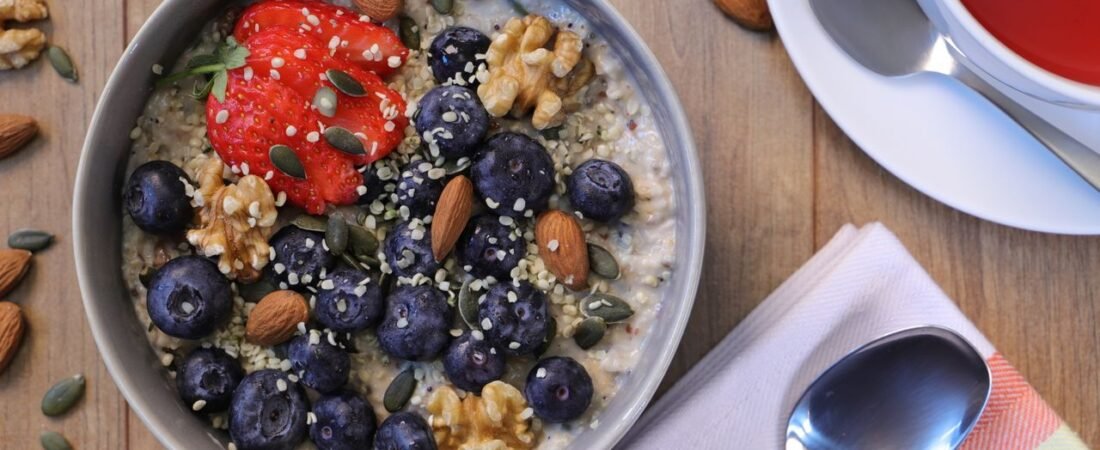
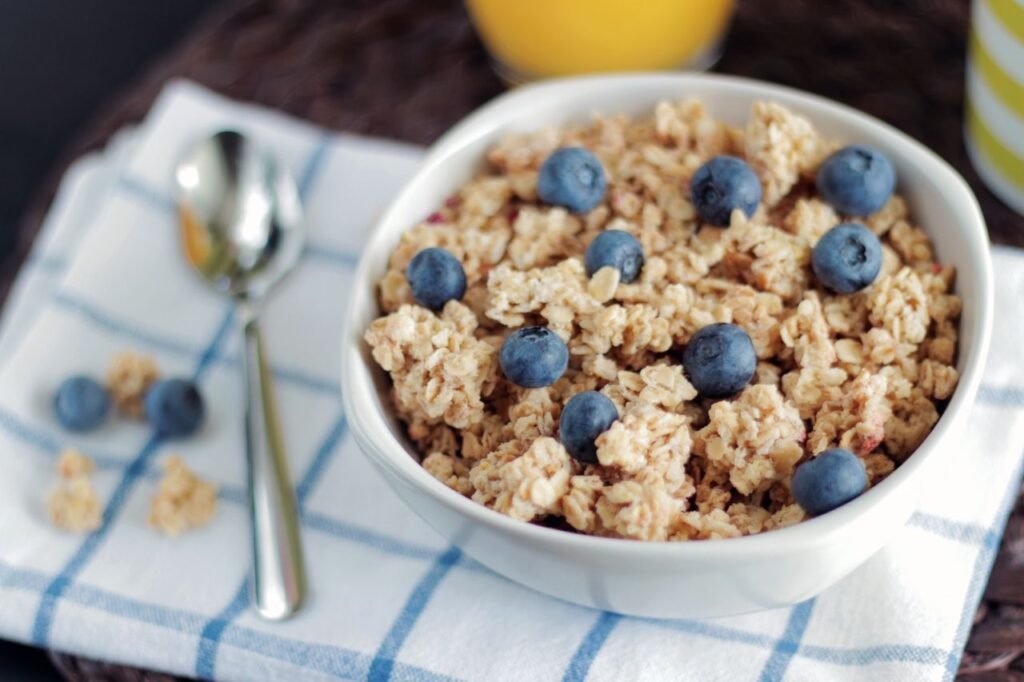
Oats are a convenient source of fiber and work well as a breakfast or snack base. You can prepare oatmeal with milk or an unsweetened alternative and add fruit, nuts, or seeds for additional nutrients Other whole grains, such as barley, brown rice, bulgur, and whole-grain bread, can also contribute fiber. The important distinction is between whole grains and refined grains. Refining can remove parts of the grain and substantially change its fiber content.
How to Choose Whole Grains
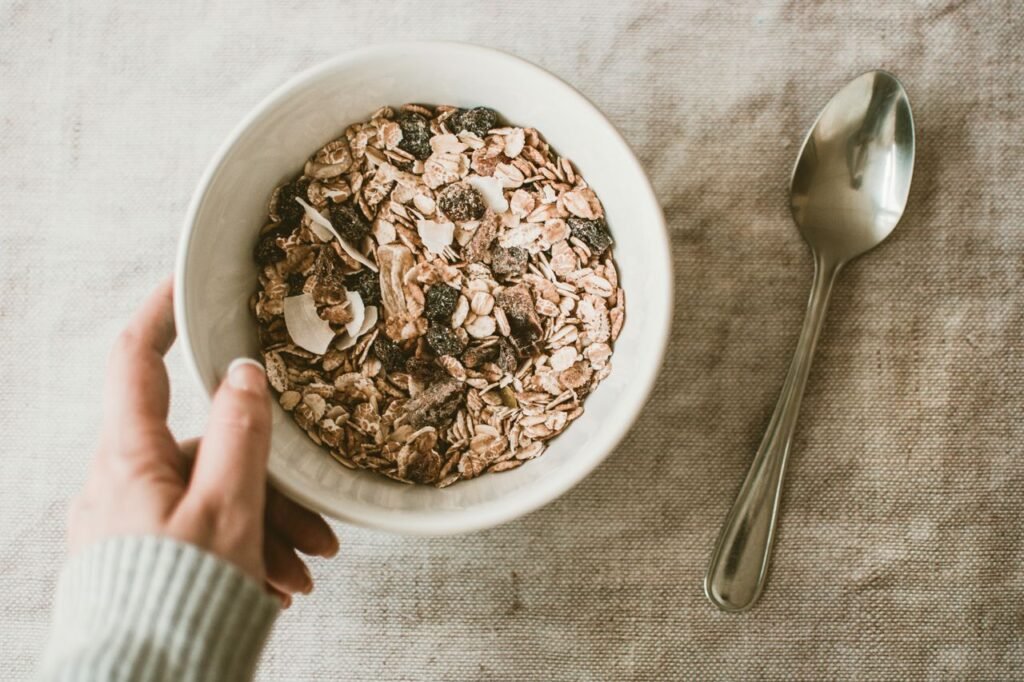
When buying packaged bread, cereal, crackers, or other grain products, check the ingredient list and nutrition facts panel. Look for whole grains as prominent ingredients and compare the fiber content between similar products. A product does not automatically become a healthy choice simply because the package says “multigrain” or “natural.”
Berries and Whole Fruits
Fruit provides fiber together with water, vitamins, minerals, and naturally occurring plant compounds. Berries are particularly useful because they can provide a meaningful amount of fiber relative to their serving size. Raspberries, blackberries, pears, apples, oranges, and other whole fruits can also contribute to daily fiber intake.
Whole Fruit vs Fruit Juice
Whole fruit is generally a better source of fiber than fruit juice because much of the fiber remains in the intact fruit. For example, eating an orange provides fiber from the fruit’s structure, while orange juice typically provides much less fiber. This doesn’t mean juice can never be consumed. It simply means whole fruit is usually the more fiber-rich option.
Vegetables
Vegetables are another important source of dietary fiber. Broccoli, Brussels sprouts, carrots, green peas, sweet potatoes, leafy greens, and many other vegetables can contribute fiber while adding variety to meals. One practical strategy is to stop thinking of vegetables as a small side dish and make them a regular part of the main meal. For example, instead of having a small serving of vegetables alongside a large portion of rice or pasta, increase the vegetable portion and balance the meal with an appropriate protein and whole-grain or other carbohydrate source. This simple adjustment can improve the overall nutrient density of the meal.
Nuts and Seeds
Nuts and seeds provide fiber along with unsaturated fats, protein, vitamins, and minerals. Almonds, pistachios, walnuts, chia seeds, flaxseeds, and pumpkin seeds are convenient additions to meals. You can sprinkle seeds over oatmeal, mix nuts into plain yogurt, or add them to salads. Because nuts and seeds are relatively energy-dense, a moderate serving is generally enough. Eating larger amounts simply because a food is nutritious can add considerably more calories than expected.
High Fiber Foods: A Simple Comparison
| Food | How It Can Add Fiber | Easy Way to Use It |
|---|---|---|
| Lentils | Fiber + plant protein | Soups, curries, salads |
| Chickpeas | Fiber + protein | Salads, hummus, bowls |
| Oats | Fiber-rich whole grain | Breakfast or overnight oats |
| Raspberries | Fiber + fruit nutrients | Yogurt or snack |
| Pears | Fiber + water | Whole-fruit snack |
| Broccoli | Fiber + vegetables | Lunch or dinner |
| Sweet potato | Fiber + carbohydrates | Roasted or baked |
| Chia seeds | Fiber + ALA omega-3 | Yogurt or oatmeal |
| Almonds | Fiber + unsaturated fat | Snack or topping |
| Barley | Fiber-rich whole grain | Soup or grain bowl |
Actual fiber content varies according to serving size, variety, preparation, and product.
How Fiber Supports Digestion

One of the most recognized benefits of dietary fiber is its relationship with digestive health. Insoluble fiber can add bulk to stool, while certain soluble fibers can hold water and form a gel-like material. Together, different forms of fiber can contribute to normal bowel function. However, more fiber isn’t always better immediately. If someone suddenly increases their intake from a very low-fiber diet to a very high-fiber diet, they may experience temporary bloating, gas, or abdominal discomfort. That is why gradual changes are usually more comfortable.
Increase Fiber Gradually
Instead of adding several large servings of beans, vegetables, seeds, and whole grains on the same day, introduce them progressively. For example, you might start by replacing refined bread with whole-grain bread, adding fruit to breakfast, and including a vegetable with lunch and dinner. Once those habits feel normal, you can make additional changes.
Fiber and Feeling Full After Meals
Fiber-rich foods can also contribute to feelings of fullness. Foods containing fiber often require more chewing and can take longer to move through the digestive system. Some types of fiber also interact with water and form a thicker material in the digestive tract. This doesn’t mean fiber is a magic weight-loss ingredient Body weight is influenced by total energy intake, activity, sleep, genetics, medications, and many other factors But replacing highly refined, low-fiber foods with nutrient-dense foods containing fiber can make a balanced eating pattern easier to maintain.
Why Water Matters When You Increase Fiber
Increasing fiber while paying no attention to fluid intake isn’t always comfortable. Some types of fiber absorb water, so adequate fluid intake can help support normal digestive function. Rather than forcing yourself to drink an extreme amount of water, maintain regular hydration throughout the day and pay attention to thirst, activity, climate, and your individual needs If you significantly increase fiber and notice persistent digestive discomfort, slow the increase and consider discussing your diet with a qualified healthcare professional.
How to Add More Fiber Without Changing Your Entire Diet
A common mistake is thinking that a high-fiber diet requires completely different meals It doesn’t. You can make small upgrades to meals you already eat.
At Breakfast
Add berries, an apple, chia seeds, ground flaxseed, or nuts to oatmeal or plain yogurt. If you normally eat refined bread, consider choosing a whole-grain option with more fiber.
At Lunch
Add beans or lentils to a salad, soup, or grain bowl.
Include a larger variety of vegetables instead of relying on one vegetable every day.
At Dinner
Replace some refined grains with whole grains such as brown rice or barley. Add vegetables and legumes alongside your main protein source.
For Snacks
Choose whole fruit, nuts, seeds, or a combination of these instead of relying primarily on highly processed snack foods. The goal is not perfection. It is creating a pattern that works in real life.
Read Food Labels for Fiber
Packaged foods can vary considerably in their fiber content, even when they appear similar. The Nutrition Facts label usually lists dietary fiber under total carbohydrate. Compare similar products rather than assuming that marketing terms tell you everything you need to know. For example, two breakfast cereals may look almost identical on the shelf but provide very different amounts of fiber per serving Also check serving size. A product may appear high in fiber until you realize that the listed serving is much smaller than the amount you normally eat.
Fiber and Gut Health
Your digestive tract is home to a large community of microorganisms collectively known as the gut microbiome Some types of dietary fiber can be fermented by gut microorganisms. This process produces compounds such as short-chain fatty acids, which have important roles in the intestinal environment This is one reason eating a variety of plant foods is generally more useful than relying on a single “superfood.” Different plant foods provide different fibers and other compounds, so dietary variety matters.
For a deeper look at foods that can support a diverse gut environment, read:
High Fiber Foods: 5 Nutritious Choices for Better Digestive Health
High Fiber Foods and a Balanced Diet
Fiber shouldn’t be viewed separately from the rest of your nutrition A balanced meal might contain a fiber-rich carbohydrate source, a protein source, vegetables or fruit, and a suitable source of healthy fat For example, lentils with vegetables and brown rice create a very different nutritional profile from a meal built mainly around refined carbohydrates Similarly, oatmeal becomes more nutritionally substantial when combined with fruit, nuts, or seed If you’re also interested in dietary fat quality, you can read:
Healthy Fats : What They Are and How to Add Them to Your Diet
Should You Use Fiber Supplements?
Fiber supplements can be useful in certain circumstances, but they should not automatically replace fiber-rich whole foods Whole foods provide more than fiber alone. Fruits, vegetables, legumes, whole grains, nuts, and seeds also provide vitamins, minerals, protein, healthy fats, and numerous plant compounds. If a healthcare professional recommends a fiber supplement for a specific reason, follow their guidance If you’re simply trying to improve your diet, start with food A practical food-first approach gives you the opportunity to improve several aspects of nutrition at the same time.
Common Mistakes When Increasing Fiber
Increasing Fiber Too Quickly
A sudden change can lead to gas and bloating. Increase your intake progressively.
Relying Only on One Food
Eating large quantities of one fiber source isn’t necessary. Variety is a better long-term strategy.
Choosing Refined Foods With Added Fiber
Some processed foods have isolated fibers added to them. These can contribute fiber, but they shouldn’t automatically be considered equivalent to a diet rich in naturally fiber-containing foods.
Ignoring Portion Sizes
Nutrient-rich foods still contribute calories. A balanced diet considers both food quality and quantity.
Forgetting Hydration
Adequate fluid intake is important when increasing fiber, particularly when dietary changes are substantial.
Sources & References
National Institutes of Health – MedlinePlus
Dietary Fiber
https://medlineplus.gov/dietaryfiber.html
National Institute of Diabetes and Digestive and Kidney Diseases (NIDDK)
Eating, Diet, & Nutrition for Constipation
https://www.niddk.nih.gov/health-information/digestive-diseases/constipation/eating-diet-nutrition
Harvard T.H. Chan School of Public Health – The Nutrition Source
Fiber
https://nutritionsource.hsph.harvard.edu/carbohydrates/fiber/
U.S. Department of Agriculture – MyPlate
Make Half Your Grains Whole
https://www.myplate.gov/eat-healthy/grains
National Academies of Sciences, Engineering, and Medicine
Dietary Reference Intakes for Macronutrients
https://nap.nationalacademies.org/
Disclaimer
This article is for general educational purposes only and does not replace personalized medical or dietary advice. If you have a medical condition or specific dietary needs, consult a qualified healthcare professiona