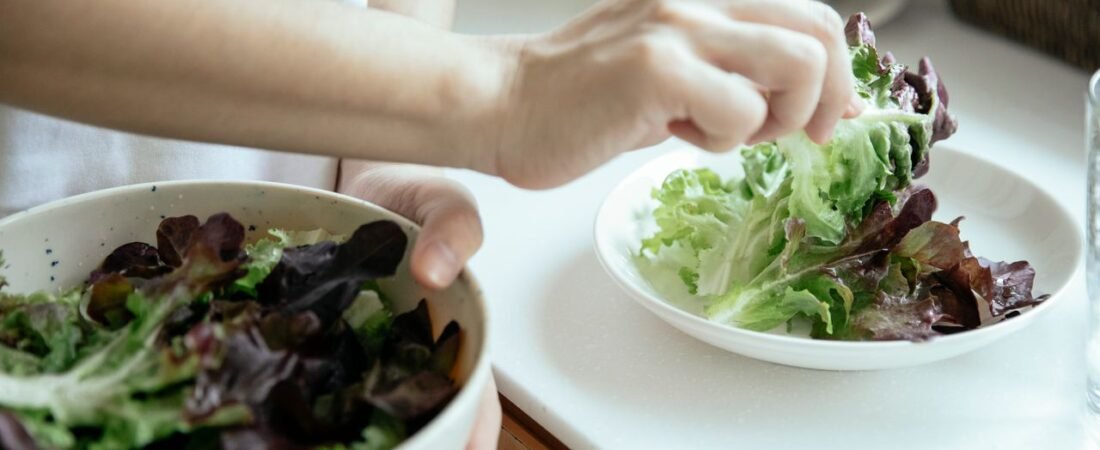
Iron rich foods are an important part of a balanced diet because iron helps your body perform several essential functions. It is needed to make hemoglobin, a protein in red blood cells that carries oxygen throughout the body. Iron also contributes to normal energy metabolism and other physiological processes. Getting enough iron isn’t simply about eating one particular food. The type of iron in a food, what you eat alongside it, and your individual nutritional needs can all influence how much iron your body absorbs. For some people, meeting iron needs through food is relatively straightforward. For others, particularly people with increased requirements or restricted diets, it may require more planning. The good news is that there are plenty of options. Meat and seafood provide highly absorbable heme iron, while beans, lentils, tofu, leafy greens, seeds, and fortified foods can provide non-heme iron. The goal is not to build your entire diet around iron. Instead, learn where iron comes from and combine those foods intelligently with the rest of your meals.
Why Iron Matters in Your Diet
Iron is best known for its role in hemoglobin production. Hemoglobin allows red blood cells to transport oxygen from your lungs to tissues throughout the body. Your body also stores iron and uses it for other biological functions. When dietary iron intake is inadequate over time, iron stores can become depleted. Iron deficiency can eventually lead to iron-deficiency anemia, although tiredness and other symptoms can have many different causes. This is why persistent symptoms should not simply be blamed on “low iron” without appropriate evaluation.
Who May Need More Attention to Iron Intake?
Iron requirements aren’t identical for everyone. People who menstruate may have higher iron needs because of menstrual blood loss. Pregnancy also substantially changes iron requirements. Children and adolescents are going through periods of growth, while people following vegetarian or vegan eating patterns need to pay attention to non-heme iron sources and overall dietary planning. If you have been diagnosed with iron deficiency or anemia, food choices are important, but they may not be enough by themselves. Your healthcare professional can determine whether testing, supplementation, or treatment is necessary.
Non-Heme Iron
Non-heme iron is found primarily in plant foods and fortified foods. Beans, lentils, tofu, spinach, pumpkin seeds, and fortified cereals can contribute meaningful amounts. Non-heme iron is not absorbed as efficiently as heme iron in every situation, but that does not make plant foods poor sources of iron. Meal composition matters. Certain foods can improve non-heme iron absorption, while others can reduce it when consumed at the same time.
The Best Iron Rich Foods to Build Around
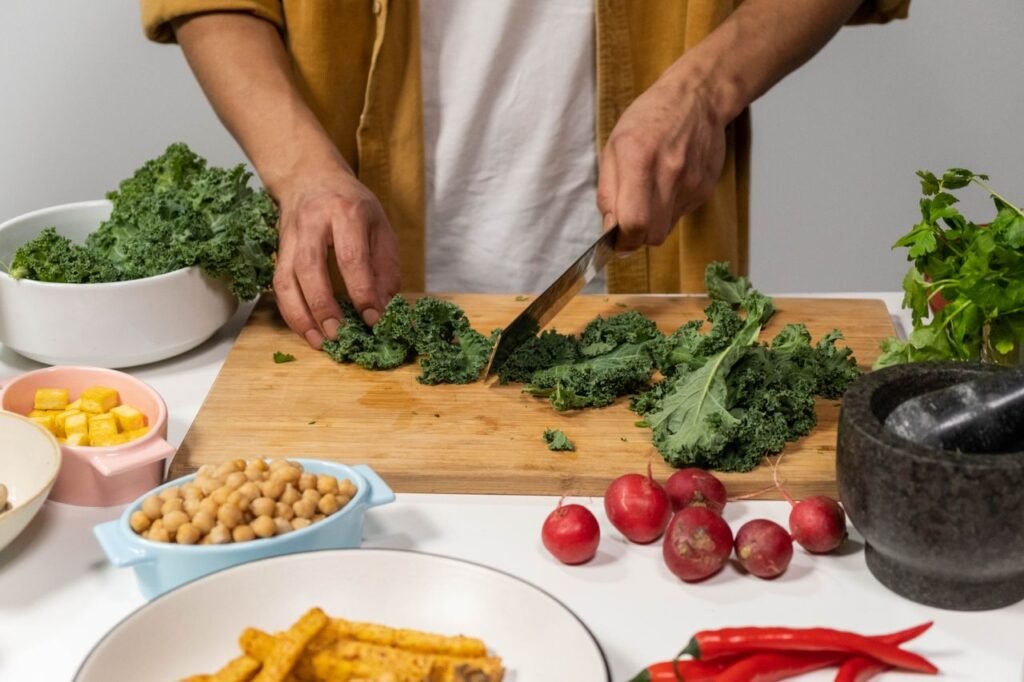
Rather than ranking foods from “best” to “worst,” it’s more useful to understand what each food contributes and how you can actually use it.
Lentils
Lentils are one of the most useful plant-based options for people looking to increase dietary iron. They provide non-heme iron along with fiber, plant protein, folate, and other nutrients. Their versatility makes them especially valuable. You can use them in soups, dals, salads, curries, or grain bowls. If you are already eating lentils regularly, you don’t need to dramatically increase your portion. Simply making them a consistent part of your meals can contribute to overall iron intake. For a deeper look at foods that can support a diverse gut environment, read:
High Fiber Foods: How to Get More Fiber From Everyday Foods
Chickpeas and Beans
Chickpeas, kidney beans, black beans, and other legumes provide non-heme iron along with protein and fiber. They are particularly useful in plant-forward diets because one food contributes several nutritional components at once. You can add chickpeas to salads, make hummus, prepare bean-based soups, or combine legumes with whole grains.
Make Legumes Easier to Digest
If beans frequently cause bloating, start with smaller portions and increase gradually. Rinsing canned beans thoroughly can also reduce some of the sodium from the canning liquid. Digestive tolerance varies, so there is no need to force a large serving if your body isn’t accustomed to it.
Spinach and Dark Leafy Greens
Spinach contains non-heme iron along with folate, vitamin K, carotenoids, and other plant compounds. However, it shouldn’t be treated as a magical iron food. Spinach also contains compounds such as oxalates that can affect mineral absorption. This is one reason it’s better to consume a variety of iron-containing foods rather than relying on spinach as your primary source. Other leafy greens can contribute to a nutrient-rich diet as well.
Pumpkin Seeds
Pumpkin seeds provide iron, magnesium, zinc, protein, and unsaturated fats They are convenient because you can add them to meals without changing the meal itself. Sprinkle them over oatmeal, salads, roasted vegetables, or yogurt. Because seeds are energy-dense, a modest serving is usually sufficient.
Tofu
Tofu can be a useful iron-containing food for people following vegetarian or vegan eating patterns It also provides plant protein and can absorb the flavors of whatever dish you’re preparing. Try adding tofu to stir-fries, curries, grain bowls, or soups. The exact nutrient composition varies according to the type and brand, so checking the food label is useful when comparing products.
Eggs
Eggs contain iron as well as protein, choline, vitamin B12, selenium, and other nutrients. They can contribute to an overall balanced eating pattern, although they are not among the richest dietary sources of iron compared with some meats, legumes, and fortified foods. Think of eggs as one part of a varied diet rather than relying on them as your main strategy for meeting iron needs.
Fortified Breakfast Cereals
Fortified cereals can provide substantial amounts of iron because iron is added during food processing. This can be particularly useful for people who have difficulty getting enough iron from naturally occurring food sources. However, not all cereals have the same nutritional profile. When choosing one, look beyond the iron number and check the amount of added sugar, fiber, protein, and serving size. A cereal with added iron can be useful, but the rest of the nutritional picture still matters.
Iron Rich Foods at a Glance
| Food | Iron Type | Other Nutritional Benefits | Easy Meal Idea |
|---|---|---|---|
| Lean beef | Heme | Protein, B12, zinc | Beef + vegetables |
| Lentils | Non-heme | Fiber, protein, folate | Lentil soup or dal |
| Chickpeas | Non-heme | Fiber, protein | Salad or hummus |
| Beans | Non-heme | Fiber, protein | Bean bowl |
| Spinach | Non-heme | Folate, vitamin K | Cooked greens |
| Pumpkin seeds | Non-heme | Magnesium, zinc, protein | Oatmeal topping |
| Tofu | Non-heme | Plant protein | Stir-fry |
| Eggs | Heme + non-heme components | Protein, choline, B12 | Vegetable omelet |
| Fortified cereal | Added iron | Varies by product | Breakfast bowl |
Actual iron content varies by food variety, serving size, preparation method, and brand.
The Simple Trick That Can Improve Iron Absorption
One of the most useful nutrition strategies is to pay attention to what you eat with your iron-containing food. Vitamin C can enhance the absorption of non-heme iron. This doesn’t mean you need to take a vitamin C supplement every time you eat lentils. Whole foods are usually the simplest approach.
Pair Iron With Vitamin C Foods
Good combinations include:
Lentils + tomatoes
Chickpeas + bell peppers
Beans + salsa
Tofu + broccoli
Spinach + tomatoes
Fortified cereal + strawberries
The principle is simple: combine a source of non-heme iron with a food rich in vitamin C. If you’re interested in building a more nutrient-dense eating pattern, you can also read:
Vitamin Deficiency Symptoms: Signs Your Body May Need More Nutrients
What Can Reduce Iron Absorption?
Some compounds in foods and beverages can reduce non-heme iron absorption when consumed at the same time. Polyphenols in tea and coffee can interfere with non-heme iron absorption. Calcium can also influence iron absorption in certain circumstances. This doesn’t mean you need to stop drinking coffee or eating dairy. Instead, if you’re specifically trying to improve iron absorption—particularly if you’ve been diagnosed with iron deficiency—it may be useful to discuss meal timing with a healthcare professional. Nutrition rarely comes down to labeling a food as simply “good” or “bad.” Context matters.
How to Build an Iron-Friendly Meal
A useful meal doesn’t need to look like a clinical nutrition plan.
Think in terms of three components:
Iron source + vitamin C source + balanced meal components
For example:
Plant-Based Option
Lentil curry + brown rice + tomato and cucumber salad + lemon. The lentils provide non-heme iron, while the tomato and lemon contribute vitamin C.
Another Option
Chickpea bowl + roasted vegetables + bell peppers + whole grains.
This provides iron from chickpeas and a variety of other nutrients from the vegetables and grains.
Iron Rich Foods for Plant-Based Diets
You can obtain iron from a vegetarian or vegan diet, but meal planning becomes more important because plant foods provide non-heme iron.
Useful options include:
- Lentils
- Chickpeas
- Beans
- Tofu
- Tempeh
- Pumpkin seeds
- Sesame seeds
- Cashews
- Spinach and other greens
- Fortified cereals
Variety is the key. Don’t depend on one plant food to solve your entire iron intake. Combining legumes, grains, seeds, vegetables, and fortified foods can create a much stronger nutritional pattern. If you’re eating plant-based, it is also worth paying attention to other nutrients such as vitamin B12, calcium, zinc, and protein.
Cooking and Preparation Matter
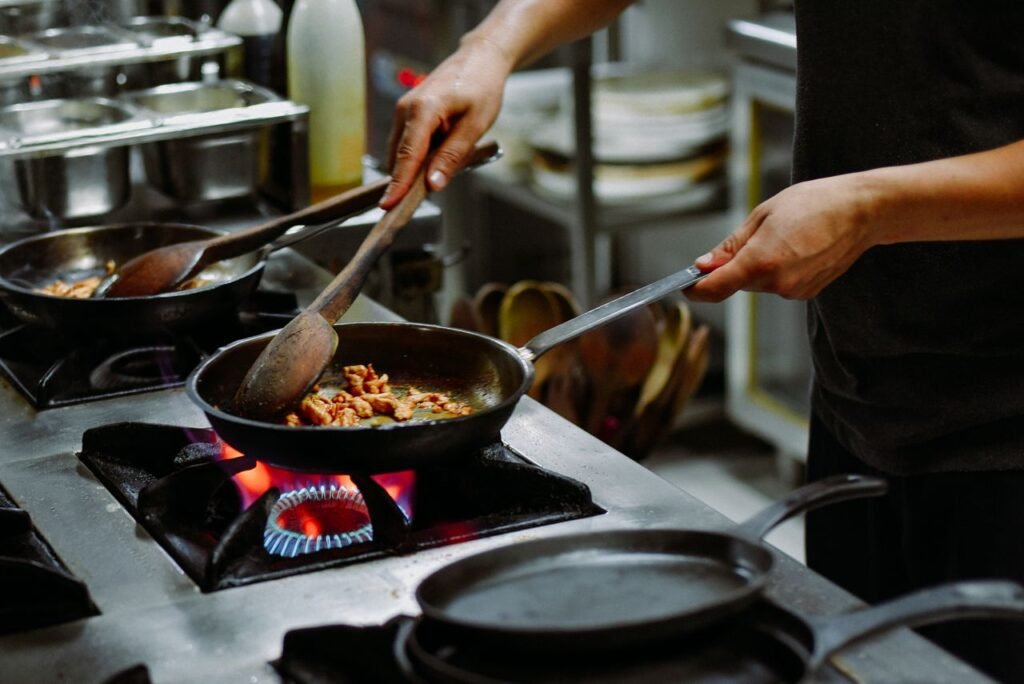
Food preparation can influence the nutritional characteristics of plant foods. Soaking, sprouting, fermenting, and cooking can affect compounds that influence mineral availability. This doesn’t mean you need to turn every meal into a complicated food-science experiment. Traditional cooking methods already incorporate many of these techniques. For example, soaking and cooking legumes is a normal part of preparing them for meals. The practical takeaway is simply to use a variety of properly prepared plant foods rather than worrying about maximizing every milligram of iron.
How to Check Iron on a Food Label
If you’re using packaged foods, the Nutrition Facts label can be helpful.
Look for:
Serving size
Iron amount
Percent Daily Value
Added sugar
Fiber
A food with a high iron number isn’t automatically the best food for your diet. For example, a fortified breakfast product may provide plenty of iron but little fiber and a substantial amount of added sugar. Always consider the entire nutritional profile.
Can Food Alone Correct Iron Deficiency?
This is where it’s important to distinguish between healthy eating and medical treatment.If your iron levels are normal, eating a varied diet containing iron-rich foods can help you meet your nutritional needs. But if blood tests show iron deficiency or iron-deficiency anemia, simply eating more spinach or lentils may not be enough. The cause of deficiency also matters. Possible causes can include inadequate intake, increased requirements, blood loss, or problems with absorption. A healthcare professional can determine what is actually happening and whether supplementation or further investigation is needed. Avoid taking high-dose iron supplements on your own. Too much iron can also be harmful.
A Better Way to Think About Iron
Instead of asking:
“Which single food has the most iron?”
Ask:
“How can I regularly include several iron-containing foods in a balanced diet?”
That change in thinking makes nutrition much more practical. You might have lentils one day, tofu another day, seafood on another, and a fortified whole-grain cereal for breakfast. Over time, variety gives you a much better nutritional foundation than chasing one supposedly perfect food.
Frequently Asked Questions
What are the best iron rich foods?
Useful sources include lean meat, seafood, lentils, beans, chickpeas, tofu, pumpkin seeds, leafy greens, eggs, and iron-fortified foods.
Which foods contain the most easily absorbed iron?
Animal foods provide heme iron, which is generally absorbed more efficiently than non-heme iron found in plant foods.
Can vegetarians get enough iron?
Yes. Vegetarian diets can provide iron through lentils, beans, tofu, seeds, whole grains, vegetables, and fortified foods. Paying attention to meal combinations can help improve non-heme iron absorption.
What should I eat with iron rich foods?
For plant-based iron sources, adding vitamin C-rich foods such as tomatoes, bell peppers, citrus fruits, strawberries, or broccoli can help improve non-heme iron absorption.
Does coffee reduce iron absorption?
Coffee contains compounds that can reduce non-heme iron absorption when consumed with a meal. People concerned about iron deficiency may benefit from discussing beverage timing with a healthcare professional.
Is spinach a good source of iron?
Spinach contains iron, but its iron is non-heme and its absorption is affected by other compounds in the plant. It is better to include spinach as part of a varied diet rather than relying on it as the primary iron source.
Should I take an iron supplement?
Not unless there is a clear reason to do so. If you suspect iron deficiency, speak with a healthcare professional and consider appropriate testing before taking high-dose iron supplements.
Sources & References
National Institutes of Health – Office of Dietary Supplements
Iron – Fact Sheet for Consumers
https://ods.od.nih.gov/factsheets/Iron-Consumer/
National Institutes of Health – Office of Dietary Supplements
Iron – Fact Sheet for Health Professionals
https://ods.od.nih.gov/factsheets/Iron-HealthProfessional/
Harvard T.H. Chan School of Public Health – The Nutrition Source
Iron
https://nutritionsource.hsph.harvard.edu/iron/
MedlinePlus – U.S. National Library of Medicine
Iron in Diet
https://medlineplus.gov/ency/article/002422.htm
USDA FoodData Central
Food and Nutrient Database
https://fdc.nal.usda.gov/
Disclaimer
This article is for general educational purposes only and does not replace personalized medical advice. If you have suspected iron deficiency, anemia, or specific dietary needs, consult a qualified healthcare professional.