
Simple, balanced breakfast foods that provide protein, fiber, healthy fats, vitamins, and lasting nutrition
By HealthNovaPlus+ Editorial Team
Published: August 18, 2026
Breakfast does not need to be complicated to be nutritious. A healthy breakfast can be as simple as combining a protein-rich food with a high-fiber carbohydrate, fruit or vegetables, and a source of healthy fat. The right combination can provide important nutrients while making your first meal more satisfying and easier to fit into a busy morning. Rather than looking for one perfect breakfast food, it is more useful to focus on the overall quality and balance of the meal.
For many people, mornings are busy, which can make convenient foods especially appealing. However, convenience does not have to mean sacrificing nutrition. Foods such as eggs, oats, Greek yogurt, berries, whole-grain bread, nuts, seeds, avocado, and fruit can be combined in many different ways to create quick and balanced meals. You also do not have to eat the same breakfast every day. Rotating different nutritious foods throughout the week can provide greater dietary variety and make healthy eating more enjoyable.
Related Articles : If you are building your overall eating routine, read our guide on How to Build a Healthy Eating Plan: 10 Simple Steps for Better Nutrition.
Key Takeaways
- A nutritious breakfast can combine protein, fiber-rich carbohydrates, fruits or vegetables, and healthy fats.
- Eggs, oats, Greek yogurt, berries, nuts, seeds, and whole-grain foods are versatile breakfast choices.
- Whole fruit is generally more nutritious than relying on fruit juice because it provides fiber.
- Breakfast does not need to be large or complicated to be balanced.
- Preparing some foods ahead of time can make nutritious breakfast choices easier on busy mornings.
- There is no single breakfast that is ideal for everyone; personal preferences, dietary needs, and lifestyle matter.
What Makes a Breakfast Healthy?
A healthy breakfast is not defined by one particular food or a specific number of calories. Instead, a nutritious breakfast usually contains a combination of foods that contribute important nutrients such as protein, fiber, vitamins, minerals, and unsaturated fats. Including several food groups can make a meal more balanced and satisfying than relying mainly on refined carbohydrates or highly processed breakfast products.
For example, a bowl of plain Greek yogurt with berries, oats, and walnuts provides a combination of protein, carbohydrates, fiber, and healthy fats. Similarly, eggs with whole-grain toast, avocado, and vegetables can create a balanced savory breakfast. These combinations illustrate an important principle: the quality of the overall meal matters more than searching for a single “superfood.
A healthy breakfast also needs to be realistic. If a meal takes an hour to prepare, requires expensive ingredients, or includes foods you dislike, it may not become a sustainable habit. The best breakfast is one that provides useful nutrition while fitting your schedule, preferences, budget, and dietary requirements.
10 Best Foods for a Healthy Breakfast
1. Eggs

Eggs are one of the most versatile foods you can include in a nutritious breakfast. They provide high-quality protein and several important nutrients, including choline, vitamin B12, selenium, and riboflavin. The yolk contains many of the egg’s vitamins and minerals, so for most people there is no nutritional reason to automatically discard it.
One of the biggest advantages of eggs is their versatility. You can prepare them boiled, scrambled, poached, or as an omelet and combine them with vegetables and whole-grain foods. Adding spinach, tomatoes, mushrooms, or peppers to an omelet can increase the variety of vegetables in your breakfast, while whole-grain toast or a small serving of potatoes can provide a source of carbohydrate.
Easy breakfast combinations
- Scrambled eggs + spinach + whole-grain toast
- Vegetable omelet + avocado
- Boiled eggs + fruit + whole-grain toast
- Eggs + tomatoes + beans
Practical tip: Prepare boiled eggs in advance if you need a quick protein-rich breakfast on busy mornings.
2. Oatmeal
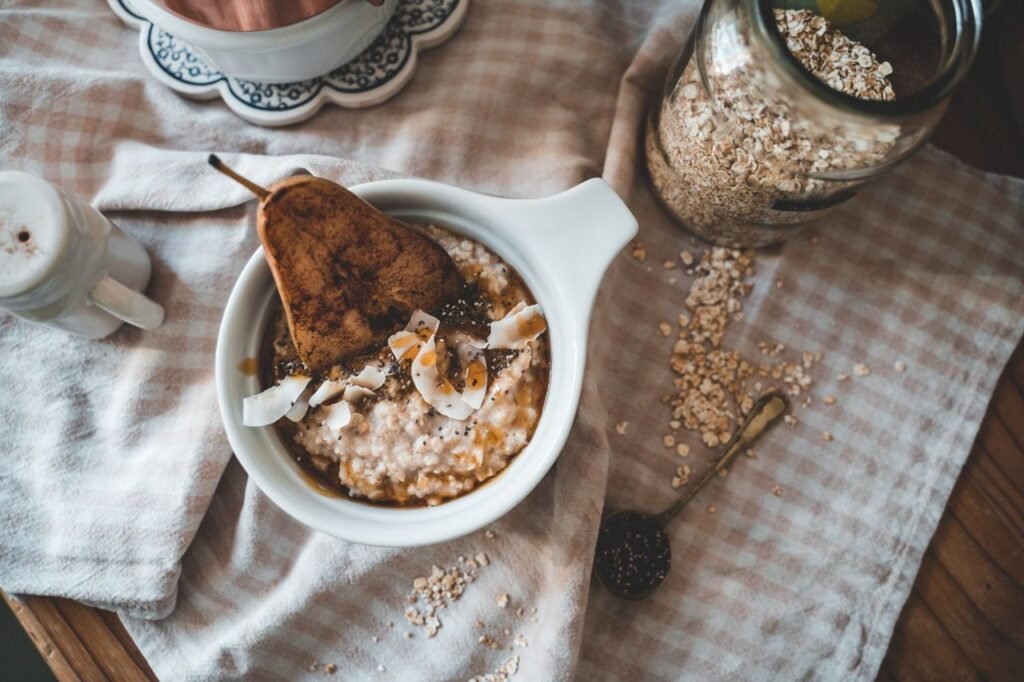
Oats are a convenient whole-grain breakfast food that can provide carbohydrates, fiber, and several vitamins and minerals. Oats also contain a type of soluble fiber called beta-glucan, which has been studied for its role in supporting heart health and helping with cholesterol management when consumed as part of an appropriate diet.
Plain oats provide a useful base because you can customize them according to your nutritional needs and preferences. Instead of relying heavily on flavored instant oatmeal products that may contain significant amounts of added sugar, start with plain oats and add naturally sweet fruit, nuts, seeds, cinnamon, or plain yogurt.
Build a balanced bowl
Try:
Oats + berries + chia seeds + Greek yogurt
or
Oats + banana + walnuts + cinnamon
These combinations add protein, fiber, healthy fats, and micronutrients to a simple bowl of oatmeal.
3. Greek Yogurt

Plain Greek yogurt is a convenient breakfast option that can provide substantial protein along with nutrients such as calcium and vitamin B12. Because Greek yogurt is strained, it is often higher in protein than traditional yogurt, although nutritional content varies among products.
Yogurt becomes particularly useful when combined with other nutrient-dense foods. Adding berries or another fruit provides carbohydrates and fiber, while nuts and seeds add healthy fats and additional nutrients. Choosing plain yogurt can also help reduce added sugar compared with many flavored varieties.
Try this combination
Plain Greek yogurt + blueberries + walnuts + chia seeds
This simple breakfast requires almost no cooking and can be prepared in just a few minutes.
What to check when buying yogurt
Look at the nutrition label for:
- Protein content
- Added sugars
- Calcium
- Serving size
- Ingredients
4. Berries

Berries such as blueberries, strawberries, raspberries, and blackberries can add natural sweetness, fiber, vitamin C, and a variety of plant compounds to breakfast. They are particularly useful because they can be added to many different meals without much preparation.
Instead of treating fruit as something separate from a nutritious breakfast, use it as one component of the meal. Berries can be mixed into oatmeal, added to yogurt, blended into a smoothie, or served alongside eggs and whole-grain toast. Frozen berries can also be a convenient option when fresh berries are unavailable.
Easy ideas
- Berries + oatmeal
- Berries + plain yogurt
- Berries + smoothie
- Berries + whole-grain pancakes
Whole fruit is generally a better choice than fruit juice when you want the fiber and greater physical structure of the fruit itself.
5. Whole-Grain Bread
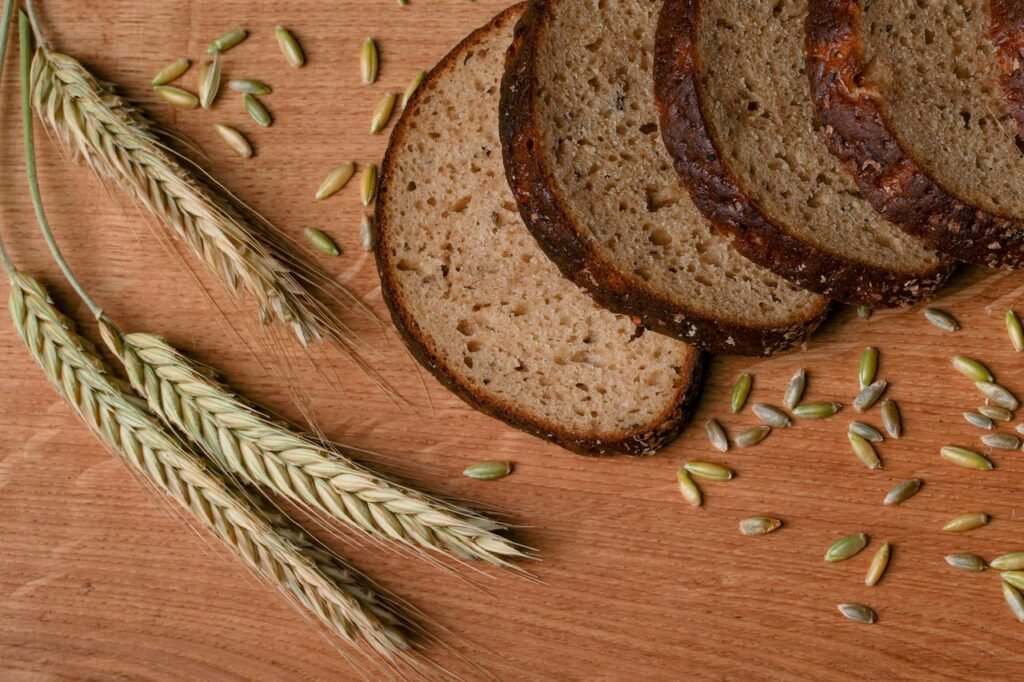
Whole-grain bread can be a practical source of carbohydrates and fiber, particularly when paired with protein and healthy fats. Unlike highly refined bread, whole-grain products retain more of the grain’s natural components and can contribute more fiber and micronutrients.
The important point is not simply choosing bread labeled “healthy.” Check the ingredient list and nutrition information when possible. A whole-grain bread with substantial whole-grain ingredients and useful fiber can be a better everyday option than highly refined alternatives.
Healthy toppings
Try whole-grain toast with:
- Eggs + avocado
- Natural peanut butter + banana
- Cottage cheese + tomatoes
- Hummus + vegetables
- Avocado + seeds
This turns a simple slice of toast into a more balanced meal.
6. Nuts and Nut Butters
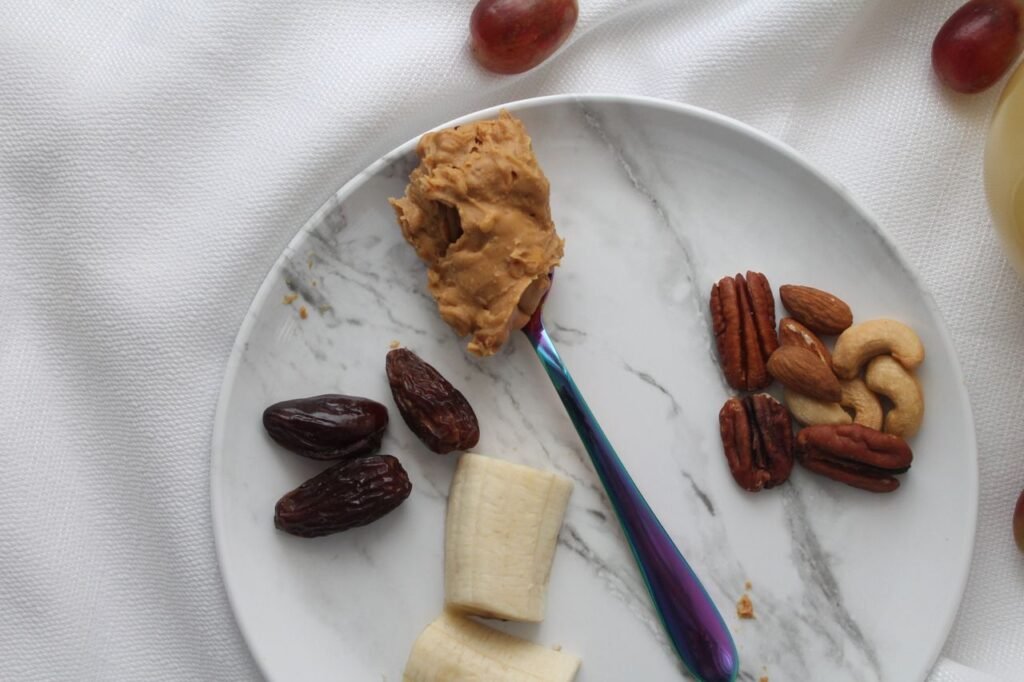
Nuts such as almonds, walnuts, pistachios, and peanuts can add protein, fiber, unsaturated fats, and minerals to breakfast. Nut butters can be particularly convenient because they can be spread on toast, mixed into oatmeal, or added to smoothies.
Because nuts and nut butters are energy-dense, you do not need a large amount to add nutritional value. Choosing natural or minimally processed nut butter with little or no added sugar can be a practical option.
Simple breakfast combinations
Whole-grain toast + natural peanut butter + banana
or
Oatmeal + walnuts + berries
These combinations provide a mixture of carbohydrates, protein, fiber, and healthy fats.
7. Chia and Flax Seeds
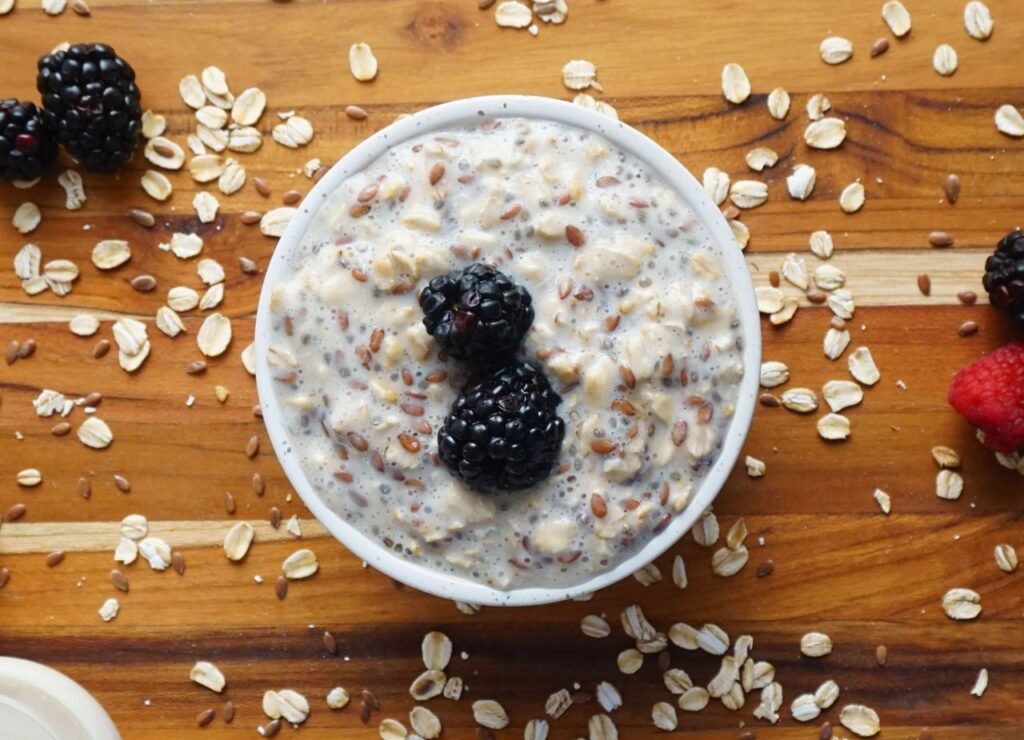
Seeds can be a small but useful addition to breakfast. Chia seeds and ground flaxseeds provide fiber, plant-based omega-3 fatty acids in the form of ALA, and various minerals. Their mild flavor makes them easy to add to foods you already eat.
You can mix them into oatmeal, yogurt, smoothies, or overnight oats. Chia seeds also absorb liquid and can be used to create chia pudding, while ground flaxseed can be incorporated into oatmeal or smoothies.
Easy ways to use seeds
- Add chia seeds to overnight oats.
- Sprinkle ground flaxseed over yogurt.
- Blend seeds into a smoothie.
- Add pumpkin or sunflower seeds to a breakfast bowl.
A small addition can improve the overall nutrient variety of a meal without making breakfast more complicated.
8. Avocado
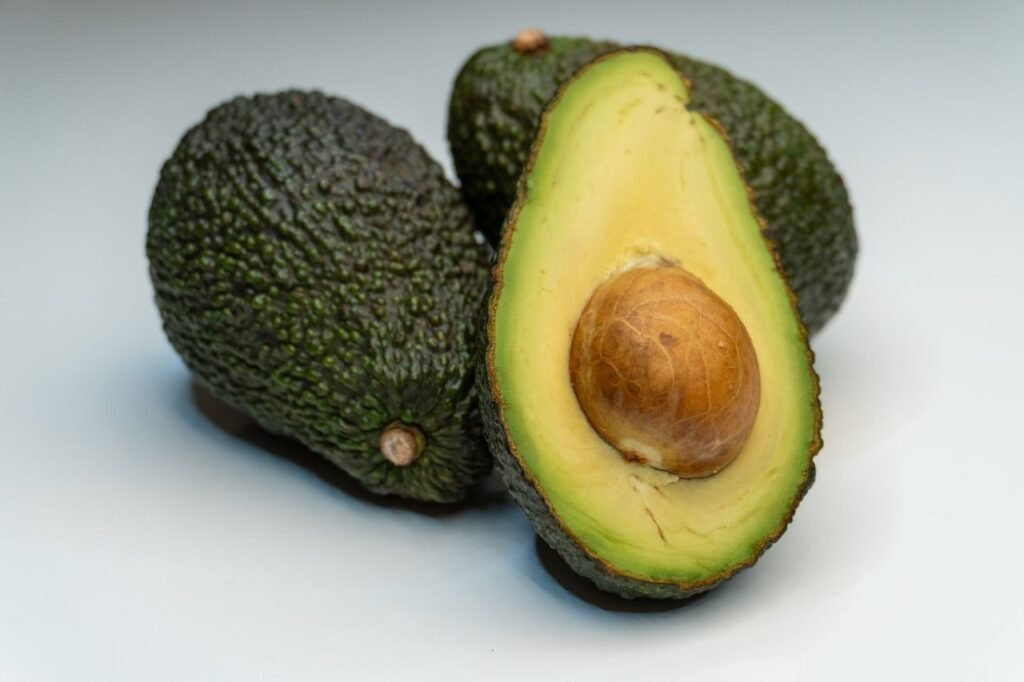
Avocado is a fruit that provides fiber and predominantly monounsaturated fat, along with nutrients such as potassium and folate. Its creamy texture makes it especially useful for savory breakfasts.
Avocado can be spread over whole-grain toast, added to eggs, mixed into a breakfast bowl, or served alongside beans and vegetables. Because it contains a significant amount of fat and calories relative to its size, a moderate serving can be enough to complement a meal.
Try:
Whole-grain toast + avocado + egg + tomato
This combination provides a useful mix of carbohydrates, protein, fiber, and unsaturated fat.
9. Bananas and Other Whole Fruits
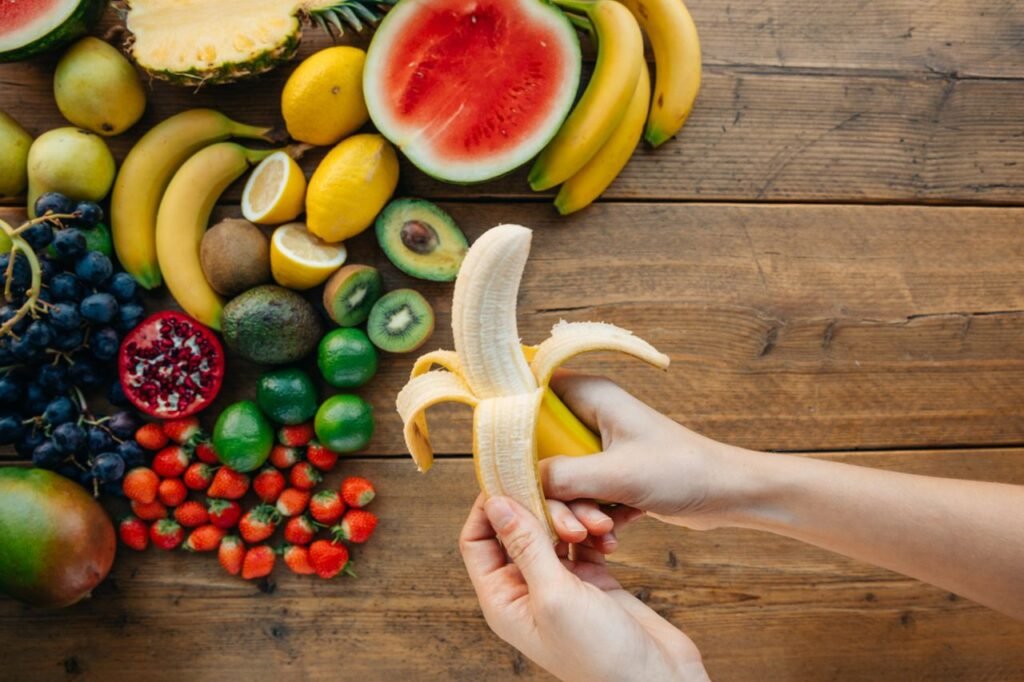
Bananas are an affordable and convenient breakfast fruit that provides carbohydrates, potassium, and fiber. They are particularly easy to carry and can be eaten without preparation, making them useful for busy mornings.
However, bananas are only one option. Apples, oranges, pears, kiwi, peaches, and other whole fruits can also be included in breakfast. Eating a variety of fruits throughout the week provides different nutrients and plant compounds.
Make fruit more satisfying
Instead of eating fruit alone when you need a more substantial breakfast, combine it with protein or healthy fats.
For example:
Banana + natural peanut butter
Apple + Greek yogurt
Orange + eggs + whole-grain toast
This can create a more balanced meal.
10. Beans and Lentils
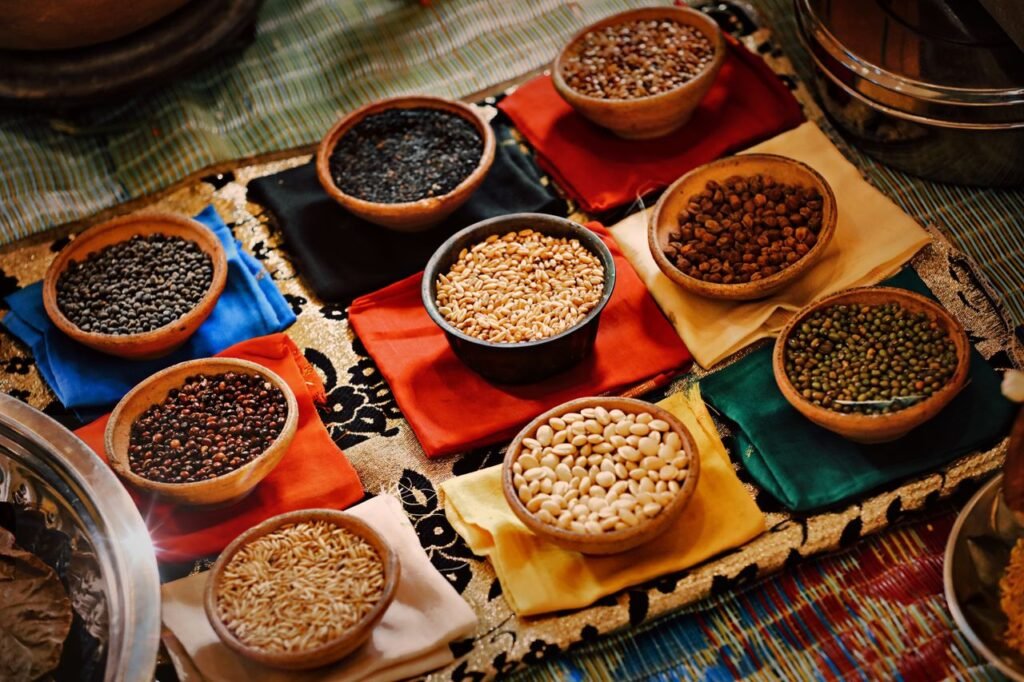
Beans and lentils may not be the first foods people associate with breakfast, but they can be excellent additions to savory morning meals. They provide plant-based protein, dietary fiber, folate, iron, potassium, and other nutrients.
In many cultures, beans are already part of traditional breakfast meals. You can add them to eggs, breakfast bowls, whole-grain toast, or vegetable dishes. They are also useful for people following vegetarian or plant-based eating patterns.
Breakfast ideas
- Eggs + black beans + avocado
- Lentils + whole-grain toast + vegetables
- Bean and vegetable breakfast bowl
- Chickpea scramble with spinach and tomatoes
If yWhat Breakfast Foods Should You Limit?
A healthy breakfast is not about creating a list of foods you are never allowed to eat. However, some breakfast products can contain large amounts of added sugar, refined carbohydrates, sodium, or saturated fat while providing relatively little fiber or protein.
Foods to have less frequently can include:
- Sugary breakfast cereals
- Pastries and doughnuts
- Sugar-sweetened coffee drinks
- Highly processed breakfast bars
- Flavored yogurts with high added sugar
- Processed breakfast meats
- Sweetened fruit drinks
This does not mean you must completely eliminate these foods. A sustainable eating pattern can include foods you enjoy. The goal is simply to make nutrient-dense foods the foundation of your regular breakfast routine.
Is Breakfast Necessary for Everyone?
There is no universal rule that every person must eat breakfast at a particular time. People have different schedules, appetites, cultural habits, and nutritional needs. Some people naturally prefer eating early in the morning, while others may not feel hungry until later.
If you enjoy breakfast and it helps you maintain a balanced eating pattern, there is no reason to avoid it. If you regularly skip breakfast, however, it is worth paying attention to whether you are still meeting your nutritional needs throughout the rest of the day. The important question is not simply whether you eat breakfast, but whether your overall diet provides adequate nutrition.
How to Prepare Healthy Breakfasts in Advance
Preparation can make nutritious breakfast choices much easier. You do not need to prepare seven complete meals every Sunday. Instead, prepare a few basic ingredients that can be combined quickly during the week.
For example, cook several servings of oats or whole grains, wash berries and other fruit, prepare boiled eggs, portion nuts into small containers, or prepare overnight oats in advance. You can also keep frozen berries, frozen vegetables, canned beans, yogurt, eggs, and whole-grain bread available for quick meals.
The goal is to reduce the number of decisions you need to make when you are tired or in a hurry. When nutritious ingredients are already available, creating a balanced breakfast becomes much easier.ou use canned beans, choosing lower-sodium varieties or rinsing them before use can help reduce sodium intake.
References & Reliable Sources
- U.S. Department of Agriculture (USDA) – MyPlate
https://www.myplate.gov/ - Dietary Guidelines for Americans – 2020–2025
https://www.dietaryguidelines.gov/ - Harvard T.H. Chan School of Public Health – The Nutrition Source
https://nutritionsource.hsph.harvard.edu/ - National Institutes of Health – Office of Dietary Supplements
https://ods.od.nih.gov/ - U.S. Food and Drug Administration – Nutrition Facts Label
https://www.fda.gov/food/nutrition-facts-label - Centers for Disease Control and Prevention – Healthy Eating
https://www.cdc.gov/healthy-weight-growth/healthy-eating/ - National Library of Medicine – PubMed
https://pubmed.ncbi.nlm.nih.gov/
Health information disclaimer: This article is intended for general educational purposes and does not replace individualized medical or dietary advice. People with specific medical conditions, allergies, pregnancy-related nutritional needs, or dietary restrictions should consult an appropriately qualified healthcare professional or registered dietitian