
Building a healthy eating plan does not mean following a strict diet, eliminating your favorite foods, or calculating every calorie you eat. A sustainable eating plan is much simpler: it is a practical way of organizing your meals so that your body regularly receives a variety of nutrients from foods you enjoy and can realistically include in your daily routine. A balanced approach usually includes vegetables and fruits, whole grains or other high-fiber carbohydrate sources, protein-rich foods, healthy fats, and enough fluids. The goal is not to create a perfect menu that you follow every day without exception. Instead, a good healthy eating plan should help you make nutritious choices consistently while still allowing flexibility for social meals, travel, celebrations, busy days, and personal preferences.
For many people, the hardest part of healthy eating is not knowing which foods are nutritious. The real challenge is knowing how to combine those foods into meals and routines that are easy to maintain. You may know that vegetables, beans, eggs, fish, nuts, fruit, whole grains, and yogurt can be nutritious choices, but simply knowing this does not automatically create a balanced diet. Meal timing, food variety, portion awareness, preparation methods, convenience, budget, and personal lifestyle all influence whether an eating plan actually works. In this guide, we will break the process into 10 practical steps so you can build a healthy eating plan that is realistic, flexible, and easier to follow over the long term.
What Is a Healthy Eating Plan?
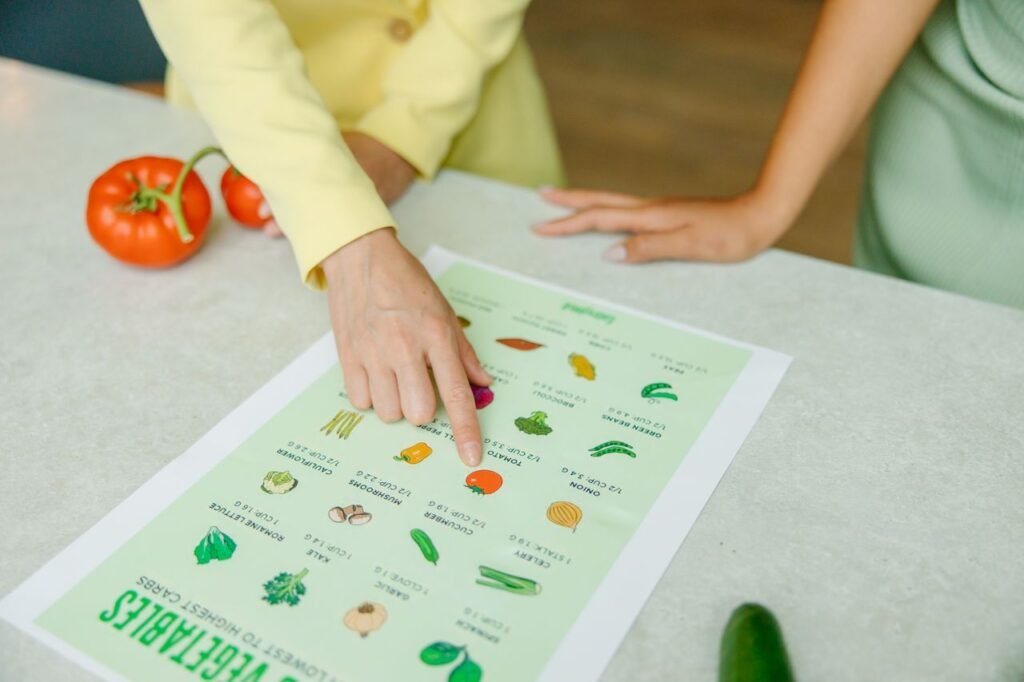
A healthy eating plan is a structured but flexible approach to choosing and preparing foods throughout the day. Rather than focusing on one specific food or following a restrictive diet, it considers the overall quality and variety of your meals. A balanced plan can include vegetables, fruits, whole grains, legumes, nuts, seeds, dairy or suitable alternatives, eggs, fish, poultry, and other protein-rich foods depending on your dietary preferences. It also considers healthy fats and adequate hydration. The exact foods and quantities will differ from person to person because nutritional needs depend on factors such as age, activity level, body size, health conditions, cultural food preferences, and individual goals.
The most important characteristic of a good eating plan is consistency rather than perfection. You do not need to eat exactly the same breakfast every morning or make every meal perfectly balanced. Instead, think about your overall eating pattern across the day and week. If one meal is heavier than usual, you can simply return to your normal routine at the next meal instead of treating it as a failure. This flexible mindset makes healthy eating more sustainable and can prevent the cycle of strict dieting followed by overeating.
10 Simple Steps to Build a Healthy Eating Plan
1. Start With Your Current Eating Habits

Before creating a new plan, take a realistic look at what you currently eat. Many people immediately try to remove foods from their diet without understanding their existing habits. Instead, spend several days paying attention to your normal meals, snacks, drinks, meal timing, portion sizes, and situations that influence your food choices. You might notice that breakfast is often skipped, vegetables are limited at lunch, snacks are mostly processed foods, or dinner portions become larger because you are extremely hungry by the end of the day. Identifying these patterns gives you a much better starting point than simply deciding to “eat healthier.”
You do not need to judge your current habits while doing this. The purpose is to understand them. For example, if you regularly skip breakfast because mornings are busy, the solution may not be forcing yourself to eat a large breakfast. You could instead prepare something simple the night before or choose a convenient nutritious option. If you frequently order takeout because you do not have ingredients at home, planning a few quick meals and keeping basic foods available may be more effective than relying on willpower. A successful healthy eating plan should solve practical problems rather than create additional ones.
Ask yourself:
- What do I normally eat for breakfast, lunch, and dinner?
- How often do I eat vegetables and fruit?
- Do most meals contain a protein source?
- How often do I eat whole-grain or high-fiber foods?
- How much water do I normally drink?
- When do I usually snack?
- Which meals are difficult to prepare?
- Which foods do I genuinely enjoy?
Understanding these answers will help you create a plan that fits your real lifestyle.
2. Build Meals Around a Variety of Nutrient-Dense Foods
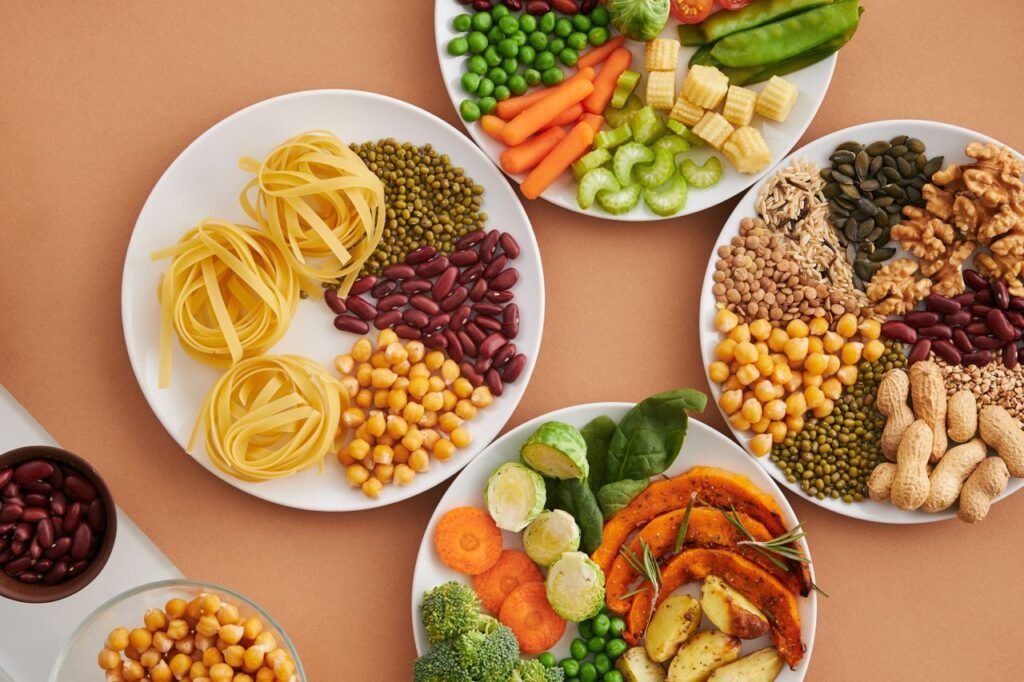
Once you understand your current habits, begin improving the overall quality of your meals. Nutrient-dense foods provide important nutrients relative to their calorie content and can help you get a broader range of vitamins, minerals, fiber, protein, and beneficial fats. Vegetables and fruits are particularly useful because they provide a variety of vitamins, minerals, fiber, and naturally occurring plant compounds. Beans and lentils can provide both protein and fiber, while foods such as eggs, fish, yogurt, poultry, tofu, nuts, seeds, and whole grains can contribute different nutrients to a balanced eating pattern.
Variety matters because no single food provides everything your body needs. Instead of eating the same two or three “healthy foods” repeatedly, rotate different foods throughout the week. For example, you might have oats and berries one morning, eggs with whole-grain toast another day, and yogurt with fruit and nuts on another. At lunch, you could alternate between a bean-based meal, a chicken and vegetable bowl, and a fish or tofu meal. This approach keeps meals interesting while increasing the variety of nutrients in your overall diet.
Try to regularly include:
- Vegetables of different colors
- Whole fruits
- Beans and lentils
- Whole grains
- Eggs, fish, poultry, tofu, or other protein sources
- Nuts and seeds
- Yogurt or other suitable dairy alternatives
- Healthy unsaturated fat sources
3. Include a Good Protein Source in Your Meals

Protein is an important part of a balanced eating plan because it contributes to the maintenance and repair of body tissues and can make meals more satisfying. Rather than thinking of protein as something that only belongs in a fitness diet, consider it a normal component of everyday meals. Depending on your dietary preferences, protein can come from fish, eggs, poultry, lean meats, beans, lentils, tofu, tempeh, yogurt, cottage cheese, nuts, seeds, and other foods.
A practical way to improve your meals is to identify the protein source before deciding on the rest of the plate. For example, you could start with grilled fish and add vegetables and a whole-grain side, or choose lentils and build a meal around vegetables and brown rice. This makes meal planning easier because you are creating meals around a clear nutritional foundation instead of simply adding random foods together. If you follow a vegetarian or vegan eating pattern, combining different plant foods throughout the day can help you obtain a variety of essential amino acids and nutrients.
Simple protein ideas
- Eggs with vegetables
- Greek yogurt with berries and nuts
- Lentil soup with whole-grain bread
- Chickpea and vegetable salad
- Grilled fish with vegetables
- Tofu and vegetable stir-fry
- Beans with brown rice and vegetables
4. Make Vegetables and Fruits a Regular Part of Your Day

Vegetables and fruits should have a consistent place in a healthy eating plan because they provide fiber, vitamins, minerals, and a wide range of beneficial plant compounds. Different colors often represent different naturally occurring compounds, so eating a variety of colors can be a simple way to increase food diversity. Instead of trying to completely change your meals, look for easy opportunities to add produce to foods you already eat.
For example, add spinach, tomatoes, peppers, or mushrooms to eggs; add berries or a banana to oatmeal; include a side salad with lunch; add vegetables to soups, curries, pasta, rice dishes, or sandwiches; and keep whole fruit available for convenient snacks. Frozen vegetables and fruits can also be useful when fresh produce is unavailable or inconvenient. The important point is to make nutritious foods accessible and easy to use rather than depending on complicated recipes every day.
Easy ways to increase vegetables and fruit
- Add berries or sliced fruit to breakfast.
- Keep washed vegetables ready for quick snacks.
- Add leafy greens to sandwiches and wraps.
- Include a vegetable side with lunch and dinner.
- Use frozen vegetables in quick meals.
- Choose whole fruit more often than fruit-flavored processed snacks.
5. Choose High-Fiber Carbohydrate Sources More Often
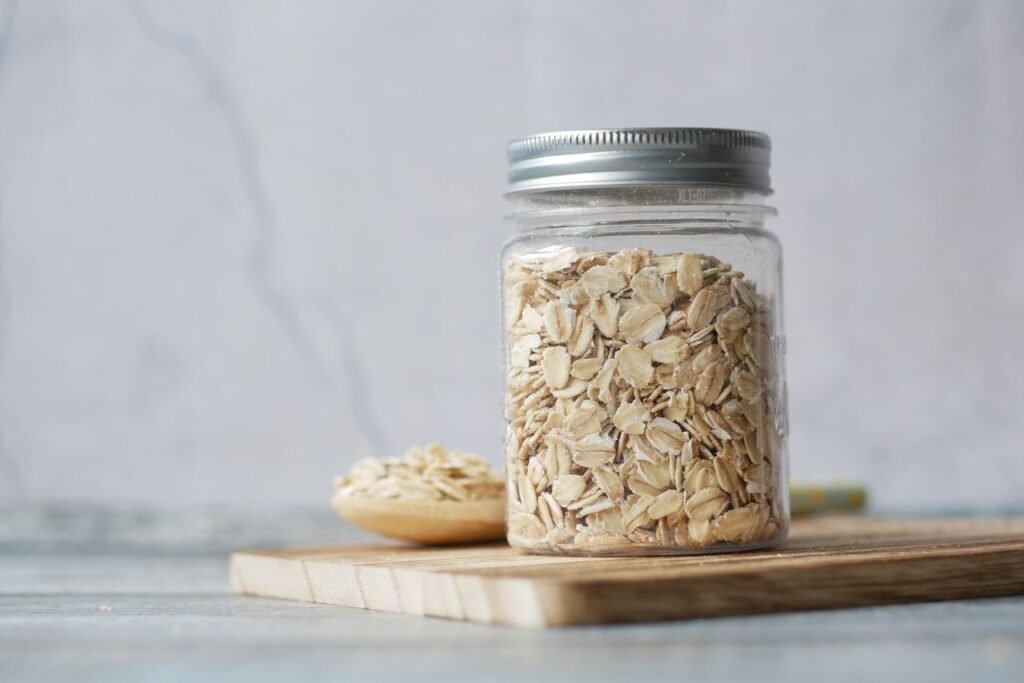
Carbohydrates are an important source of energy, but the quality and type of carbohydrate foods you choose can make a significant difference to the nutritional value of your meals. Whole grains and other high-fiber carbohydrate sources can provide fiber along with vitamins, minerals, and other nutrients. Examples include oats, brown rice, quinoa, whole-grain bread, barley, and other minimally processed grains. Beans, lentils, vegetables, and fruits also contribute carbohydrates and fiber.
Instead of automatically removing carbohydrates from your eating plan, focus on choosing more nutritious sources and appropriate portions. For example, a meal containing brown rice, vegetables, beans, and a protein source can be very different nutritionally from a meal dominated by highly refined carbohydrates and added fats. The goal is to create balance rather than fear a particular macronutrient.
Practical swaps
Instead of: refined grains at every meal
Try: oats, brown rice, quinoa, barley, or whole-grain options more often.
Instead of: highly processed snack foods
Try: fruit with nuts, yogurt, or another nutrient-dense snack.
Instead of: very large portions of refined carbohydrates
Try: combining a moderate portion with vegetables and protein.
6. Include Healthy Sources of Dietary Fat
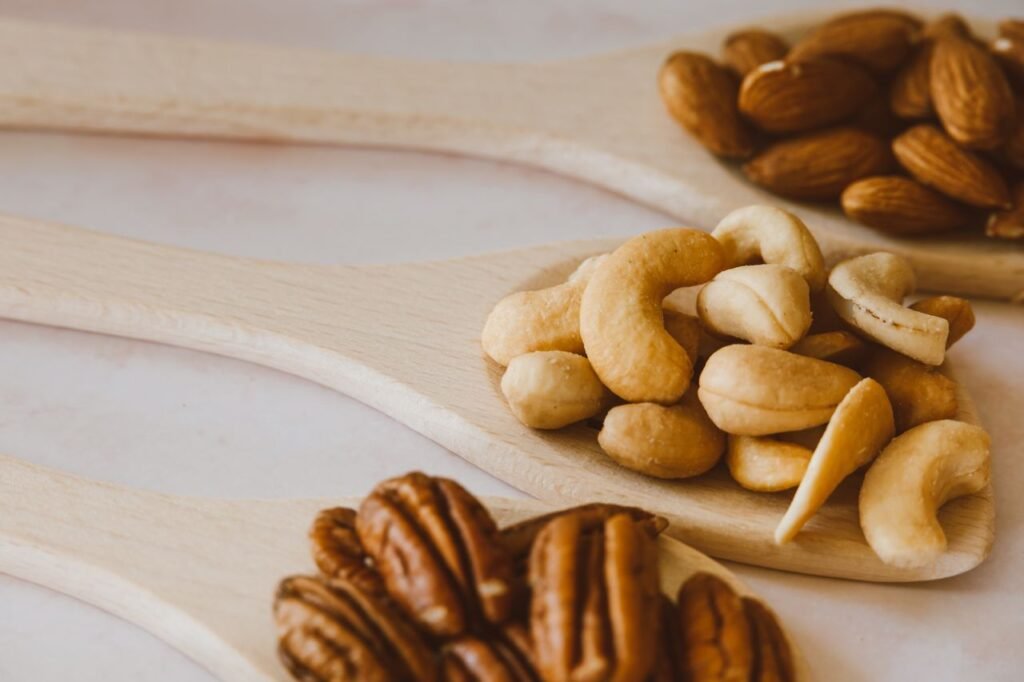
Fat is another essential part of a balanced diet. The key is understanding that different fat sources have different nutritional characteristics. Foods such as avocados, nuts, seeds, olive oil, and many types of fish provide predominantly unsaturated fats and can fit comfortably into a healthy eating pattern. These foods can also add flavor and satisfaction to meals, which is important when building a plan that you want to follow for months or years.
Because fats are energy-dense, portion awareness can still be useful. A small amount of nuts, seeds, avocado, or oil can contribute flavor and nutrients without requiring a large quantity. Rather than completely avoiding fat, focus on food quality, variety, and how the food fits into your overall meal.
Nutritious fat sources include:
- Avocado
- Almonds and walnuts
- Chia and flax seeds
- Pumpkin seeds
- Olive oil
- Fatty fish such as salmon
7. Plan Your Meals Before You Become Extremely Hungry
One of the simplest ways to improve your eating habits is to plan ahead. When you wait until you are extremely hungry before deciding what to eat, convenience often becomes more important than nutrition. You may be more likely to choose whatever is immediately available, order takeout, or eat a larger portion than you intended. Meal planning does not require preparing every meal for an entire week. Even deciding what you will eat for the next one or two meals can reduce unnecessary decisions.
Start with a simple weekly framework. Choose a few breakfast options, several lunch ideas, and several dinners that use overlapping ingredients. For example, cooked vegetables can be used in eggs one day, a grain bowl the next day, and a dinner stir-fry later in the week. This reduces food waste and preparation time. Keep a few convenient foods available for busy days, such as eggs, yogurt, canned beans, frozen vegetables, fruit, whole grains, and nuts.
A simple planning method
Choose 3–4 breakfasts + 3–4 lunches + 4–5 dinners and rotate them throughout the week.
You do not need a completely different meal every day.
8. Pay Attention to Portions Without Obsessing Over Calories

Portion awareness can help you build balanced meals without requiring constant calorie counting. Individual energy needs vary considerably, so there is no universal portion size that works for everyone. Instead of becoming overly focused on exact numbers, pay attention to hunger, fullness, meal composition, and your individual nutritional needs. A useful general approach is to make vegetables and other nutrient-dense foods a substantial part of meals while including appropriate amounts of protein, high-fiber carbohydrates, and healthy fats.
Eating slowly can also help you recognize fullness signals. When meals are eaten very quickly, it can be harder to notice when you have had enough. Try to sit down when possible, reduce distractions, and give yourself time to enjoy your food. This does not mean you need to eat perfectly or stop eating at the first sign of fullness. It simply creates a more mindful environment in which you can better understand your body’s signals.
9. Make Water Your Main Everyday Beverage

Hydration is an important part of overall health, and water is an easy default beverage for most people. Your fluid needs can vary depending on body size, activity, climate, diet, and other factors, so rather than focusing on one fixed amount for everyone, pay attention to thirst and other signs of hydration. People who exercise heavily, spend time in hot environments, or lose significant amounts of fluid may have different needs.
If you currently drink a lot of sugary beverages, replacing some of them with water can be a simple improvement. Unsweetened tea and other low-calorie beverages can also fit into many healthy eating patterns. The goal is not to make hydration complicated; it is to create a routine where water is readily available throughout the day.
Simple hydration habits
- Keep a reusable water bottle nearby.
- Drink water with meals.
- Drink regularly throughout the day.
- Carry water when traveling or exercising.
- Choose unsweetened beverages more often.
10. Make Your Healthy Eating Plan Flexible and Sustainable

The final step is perhaps the most important: create a plan you can actually maintain. A healthy eating plan should not make you feel that one restaurant meal, dessert, birthday celebration, or busy day has ruined your progress. Your overall eating pattern matters much more than one meal. If your normal routine includes a variety of nutritious foods, occasional less-nutritious choices can still fit into your lifestyle.
Avoid creating unnecessary food rules such as “I can never eat this again.” Strict rules can make an eating plan difficult to maintain and may increase feelings of restriction. Instead, focus on frequency and balance. If you enjoy a particular food, think about how you can include it alongside more nutritious choices and appropriate portions. Sustainable healthy eating is about building habits that continue to work when life becomes busy, not just following a perfect plan when everything goes smoothly.
How to Create a Simple Healthy Meal
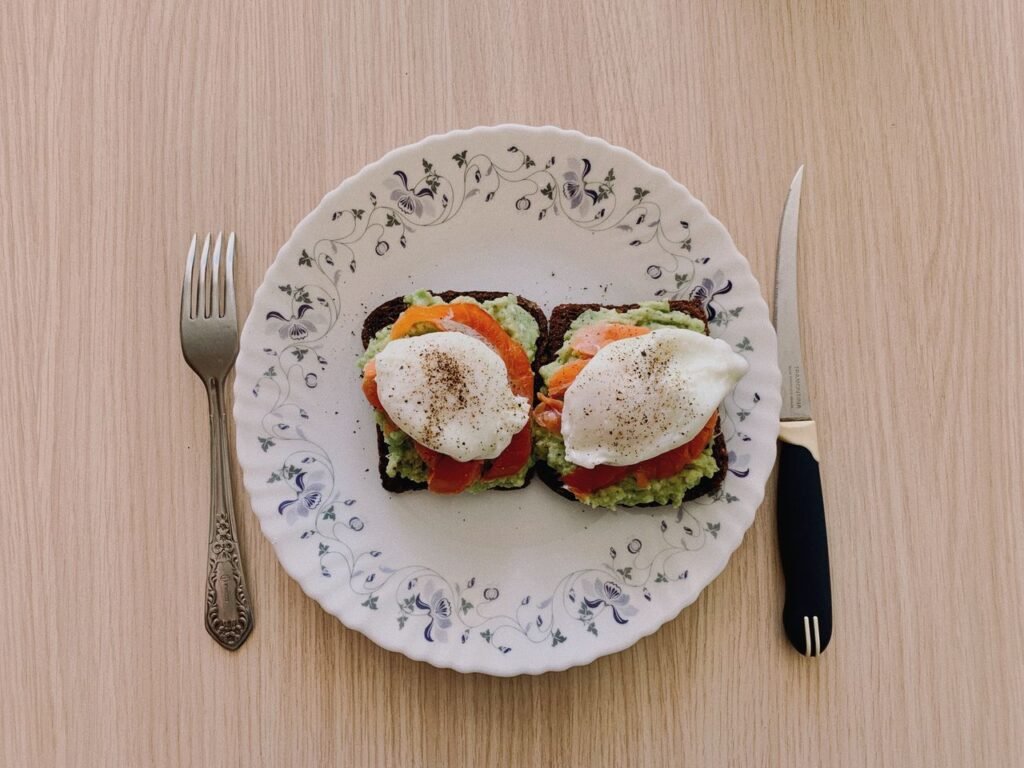
Once you understand the basic principles, creating a meal becomes much easier. Start by choosing a protein source, add vegetables or fruit, select a high-fiber carbohydrate source when appropriate, and include a source of healthy fat. The exact combination does not need to look the same at every meal. You can adjust it based on your hunger, activity, preferences, culture, and available foods.
Example breakfast
Oatmeal + berries + nuts + yogurt
This combination can provide carbohydrates, fiber, protein, and healthy fats while also offering a variety of nutrients.
Example lunch
Grilled chicken + mixed vegetables + brown rice + avocado
This creates a meal containing protein, vegetables, a high-fiber carbohydrate source, and an unsaturated fat source.
Example dinner
Lentils + roasted vegetables + whole-grain bread + salad
A plant-based meal can also provide protein, fiber, and a wide range of nutrients.
The point is not to copy these meals exactly. Use them as a framework for building combinations from foods you already enjoy.
Healthy Eating Plan Example for One Day
A simple day could look something like this:
Breakfast
Oatmeal topped with berries, chia seeds, and plain yogurt.
Mid-Morning Snack
An apple with a small serving of almonds.
Lunch
A bowl containing beans or chicken, brown rice or quinoa, mixed vegetables, and avocado.
Afternoon Snack
Plain yogurt with fruit or another nutrient-dense snack.
Dinner
Grilled fish or tofu with roasted vegetables and a whole-grain carbohydrate source.
Beverages
Water throughout the day, with unsweetened tea or another suitable beverage if desired.
This is only an example, not a universal diet plan. Your calorie and nutrient requirements may be different, and people with medical conditions, food allergies, pregnancy-related nutritional needs, or other specific requirements should work with an appropriately qualified healthcare professional or registered dietitian when individualized dietary advice is needed.
Common Mistakes When Building a Healthy Eating Plan

Trying to Change Everything at Once
One of the most common mistakes is making too many changes simultaneously. Someone may decide to eliminate sugar, stop eating carbohydrates, start exercising every day, cook every meal at home, and completely change their sleep schedule all at once. While motivation can be strong at the beginning, maintaining so many changes can become difficult. A better approach is to introduce a few realistic habits at a time and gradually build on them.
Following an Extremely Restrictive Diet
Removing entire food groups without a medical reason can make eating unnecessarily complicated and may reduce dietary variety. Healthy eating is generally more sustainable when it emphasizes a wide range of nutritious foods rather than creating a long list of forbidden foods.
Ignoring Convenience
A plan that looks excellent on paper can fail if every meal requires an hour of cooking. Keep some quick and nutritious ingredients available so you have options when you are busy. Frozen vegetables, eggs, canned beans, yogurt, fruit, oats, nuts, and whole grains can make healthy meals much easier to assemble.
Focusing Only on Individual Foods
Eating one “superfood” does not make an entire diet healthy. Overall dietary patterns matter more than individual ingredients. Instead of asking whether one food is perfect, ask whether your meals collectively provide variety, protein, fiber, healthy fats, and essential nutrients.
How to Make Healthy Eating Easier on a Busy Schedule
Busy schedules are one of the biggest barriers to consistent healthy eating. The solution is not necessarily more motivation; often, it is better preparation. Keep nutritious foods that require minimal preparation available at home. Cook larger quantities of certain ingredients and use them in different meals. For example, cooked grains, roasted vegetables, boiled eggs, beans, or grilled protein can become components of several meals during the week.
You can also create a list of “emergency meals” that take less than 10 or 15 minutes to prepare. A vegetable omelet, yogurt with fruit and nuts, bean-and-rice bowl, whole-grain toast with eggs and vegetables, or a quick tofu and vegetable stir-fry can be much more practical than relying on complicated recipes. The best healthy eating plan is one that still works on your busiest day.
How to Stay Consistent With Your Healthy Eating Plan
Consistency becomes easier when your environment supports your goals. Keep nutritious foods visible and convenient, prepare ingredients before you need them, and avoid relying entirely on willpower. If you know you usually become hungry in the afternoon, prepare a snack in advance. If mornings are rushed, choose breakfast options that can be prepared quickly. If you frequently eat restaurant food because dinner preparation is difficult, keep a few simple ingredients available for fast meals.
Most importantly, do not treat an imperfect day as a reason to abandon your plan. If you eat a meal that does not fit your usual routine, simply continue with your next meal. Long-term progress comes from repeated habits, not from achieving perfection every day.
Final Thoughts
Learning how to build a healthy eating plan is less about creating a perfect diet and more about developing a practical system that makes nutritious choices easier. Start by understanding your current habits, then gradually improve your meals by adding more variety, vegetables, fruits, high-fiber foods, protein sources, and healthy fats. Plan ahead when possible, keep convenient nutritious foods available, stay aware of portions, drink water regularly, and allow flexibility for the realities of everyday life.
Remember that healthy eating is not something you have to accomplish in one week. Small improvements repeated consistently can create a much stronger foundation than an extremely restrictive plan that becomes impossible to maintain. Your goal should be to develop an eating pattern that supports your nutritional needs while fitting your lifestyle, preferences, budget, and schedule. When healthy choices become part of your normal routine rather than a temporary challenge, maintaining them becomes much easier.
Start with one or two changes this week, build from there, and focus on consistency rather than perfection.
References & Sources
The information in this article is based on general nutrition guidance and resources from reputable public health and nutrition organizations.References & Sources
- World Health Organization (WHO) – Healthy Diet
https://www.who.int/news-room/fact-sheets/detail/healthy-diet- U.S. Department of Agriculture (USDA) – MyPlate
https://www.myplate.gov/- Dietary Guidelines for Americans
https://www.dietaryguidelines.gov/- Harvard T.H. Chan School of Public Health – The Healthy Eating Plate
https://www.hsph.harvard.edu/nutritionsource/healthy-eating-plate/- National Health Service (NHS) – The Eatwell Guide
https://www.nhs.uk/live-well/eat-well/food-guidelines-and-food-labels/the-eatwell-guide/- Centers for Disease Control and Prevention (CDC) – Healthy Eating
https://www.cdc.gov/healthy-weight-growth/healthy-eating/