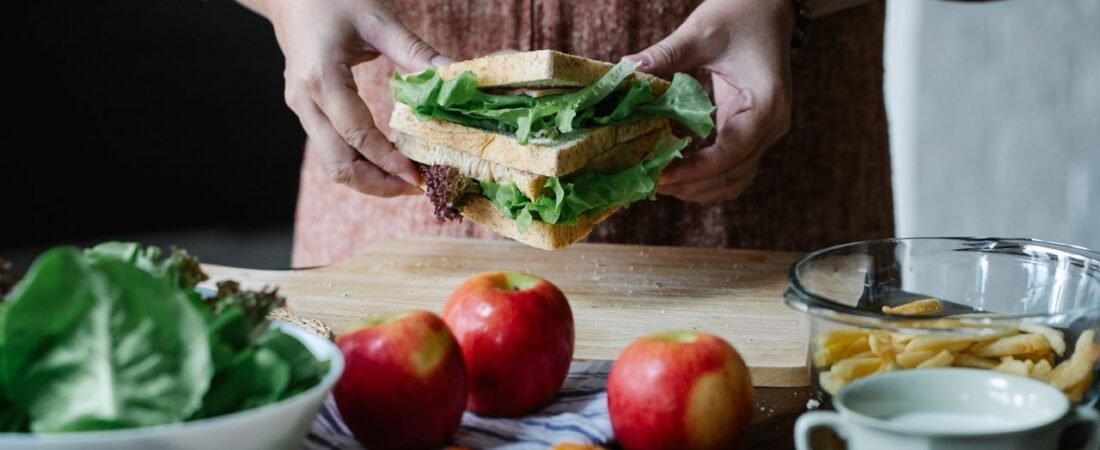
Eating healthier sounds simple until you have to decide what to eat every day. Between busy schedules, restaurant meals, convenience foods, changing appetites, and conflicting nutrition advice, creating a balanced eating routine can sometimes feel complicated. Many people begin with strict diets, remove several foods at once, or follow complicated meal plans that become difficult to maintain. A better approach is to build a healthy eating plan around your lifestyle, food preferences, nutritional needs, and daily routine. A healthy eating plan does not need to be perfect. It should provide a variety of nutrients, support your energy needs, and be flexible enough to fit real life. In this guide, you will learn how to build a healthy eating plan for everyday life, how to create balanced meals, which foods to prioritize, and how to make healthier choices without following unnecessarily restrictive rules.
1. Start by Understanding What Healthy Eating Really Means

Healthy eating is not simply about eating fewer calories or avoiding certain foods. It is about creating an overall eating pattern that provides a variety of nutrients while supporting your body’s normal functions and your daily activities. A balanced eating pattern can include vegetables, fruits, whole grains, protein-rich foods, healthy fats, and appropriate beverages. Depending on your dietary preferences and nutritional requirements, it can also include dairy products or fortified alternatives.
The key idea is variety and balance.
For example, eating only salads every day does not automatically create a healthy diet. Your body needs different nutrients, and different foods provide different combinations of vitamins, minerals, protein, carbohydrates, fats, and fiber. Healthy eating also does not mean eliminating carbohydrates or dietary fat completely. Both can have a place in a balanced diet. The goal is to create an eating pattern that supports your health without making food unnecessarily complicated.
2. Build Your Eating Plan Around Your Lifestyle

One of the most important parts of creating a sustainable eating plan is making sure it actually fits your life. A meal plan that looks perfect on paper may not work if you have a busy job, travel frequently, eat with your family, or have limited time for cooking. Before creating your plan, think about your normal schedule.
Ask yourself:
- When do I usually eat?
- How much time do I have for cooking?
- Which foods do I enjoy?
- Which meals are difficult for me to prepare?
- Do I usually eat at home or outside?
- What foods are easily available in my area?
These questions can help you create a plan that is realistic rather than idealistic. For example, someone who works long hours may benefit from simple meals that can be prepared in advance. Someone who enjoys cooking may prefer more variety. The healthiest plan is often the one you can consistently follow.
3. Create Balanced Meals Instead of Focusing on Individual Foods
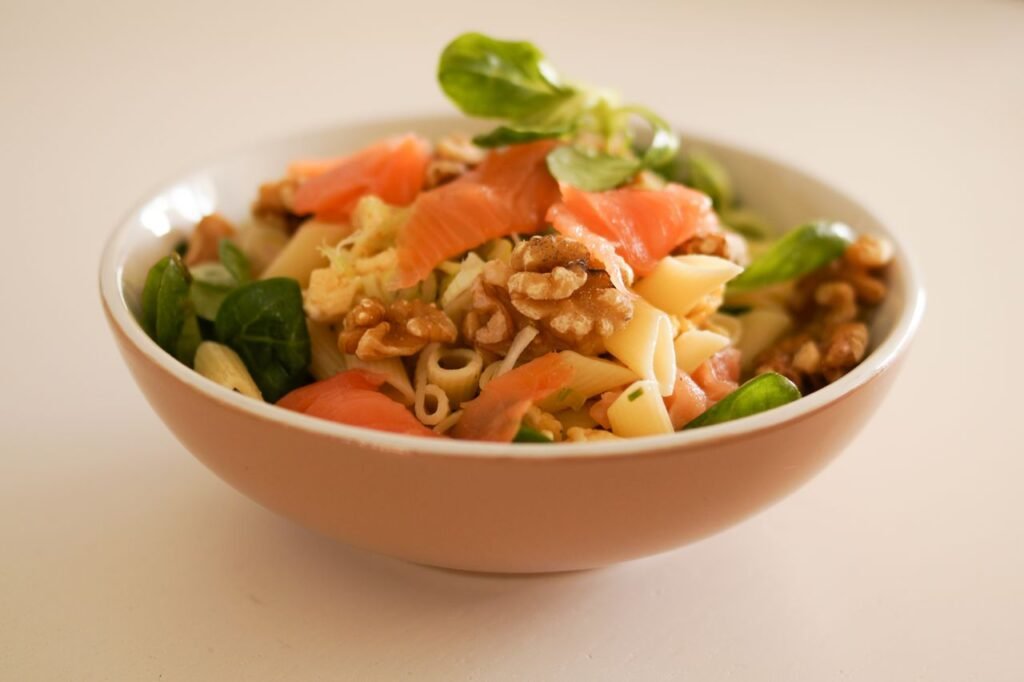
A common mistake is focusing too much on whether a single food is “healthy” or “unhealthy.” Instead, look at the overall meal. A simple meal structure can include:
Vegetables or fruit + protein-rich food + carbohydrate source + healthy fat
This is not a strict formula that must be followed at every meal. It is simply a useful framework for creating variety. For example, a lunch could include grilled chicken, brown rice, mixed vegetables, and avocado. A vegetarian meal could include lentils, brown rice, vegetables, and yogurt. Another simple meal might be eggs, whole-grain toast, vegetables, and fruit. The ingredients can change from day to day. What matters is creating meals that contain a useful variety of foods.
4. Choose Quality Sources of Protein, Carbohydrates, and Fats

A healthy eating plan should include all the major macronutrients in appropriate amounts.
Protein
Protein is important for maintaining and repairing body tissues and supporting many functions in the body. Good sources include eggs, fish, poultry, lean meats, dairy foods, beans, lentils, chickpeas, tofu, tempeh, nuts, and seeds. Using different protein sources throughout the week can make your meals more varied.
Carbohydrates
Carbohydrates are an important source of energy and are found in many nutritious foods. Instead of avoiding carbohydrates completely, choose nutrient-rich sources more often, such as oats, brown rice, quinoa, potatoes, beans, lentils, fruits, and whole-grain bread.
Healthy Fats
Dietary fat also has an important role in a balanced eating pattern. Foods such as avocados, nuts, seeds, olive oil, and certain types of fish provide unsaturated fats. Because fats are energy-dense, portions still matter, but there is generally no need to eliminate dietary fat completely.
5. Make Vegetables, Fruits, and Fiber a Regular Part of Your Diet

Vegetables and fruits provide fiber, vitamins, minerals, and a wide range of beneficial plant compounds. If you currently eat very few vegetables, you do not need to completely change your diet overnight. Start by adding vegetables to meals you already enjoy. You could add spinach to eggs, vegetables to sandwiches, broccoli to rice dishes, tomatoes to salads, or mixed vegetables to soups. Fruit can also be an easy addition. Apples, bananas, oranges, berries, pears, kiwi, mangoes, and other fruits can provide variety while contributing important nutrients.
Why fiber matters
Fiber is naturally found in plant foods and plays an important role in digestive health.
Good sources include:
- Vegetables
- Fruits
- Beans
- Lentils
- Oats
- Whole grains
- Nuts
- Seeds
If your current diet is low in fiber, increase fiber-containing foods gradually and maintain adequate fluid intake. Small changes, such as replacing some refined grains with whole grains, can make your overall eating pattern more nutrient-rich.
6. Make Grocery Shopping and Meal Preparation Easier

A healthy eating plan starts before you prepare your food. When shopping, think about the meals you are likely to eat during the next several days. Instead of buying random foods, create a simple grocery list containing foods from different categories.
For example:
Vegetables: spinach, broccoli, carrots, tomatoes
Fruits: apples, bananas, berries
Protein: eggs, chicken, fish, beans, lentils, yogurt
Whole grains: oats, brown rice, whole-grain bread
Healthy fats: nuts, seeds, avocado, olive oil
You do not need expensive specialty foods to eat well. Simple foods such as oats, beans, lentils, eggs, seasonal vegetables, fruits, and whole grains can be useful components of a nutritious diet.
Prepare ingredients in advance
Meal preparation does not necessarily mean cooking every meal for an entire week. You can simply prepare a few ingredients in advance. For example, you could wash vegetables, cook grains, prepare beans, boil eggs, or portion snacks. These small preparations can make it much easier to put together a balanced meal when you are busy.
7. Learn to Make Smarter Choices Without Following Strict Rules
Healthy eating should not feel like a list of punishments. You do not necessarily need to eliminate desserts, restaurant meals, snacks, or your favorite foods. Instead, consider how frequently you eat them and how they fit into your overall diet. For example, drinking sugary beverages every day may be worth reconsidering, while occasionally enjoying a dessert can easily fit into a balanced eating pattern. The same idea applies to highly processed foods. You can make nutrient-rich foods the foundation of your diet while still allowing flexibility for foods you enjoy. This approach can be much easier to maintain than following strict rules such as “never eat sugar” or “never eat carbohydrates.”

8. Pay Attention to Portions and Eating Habits
The nutritional quality of food matters, but portion size can also influence your overall intake. You do not necessarily need to weigh every ingredient or count every calorie. Instead, develop an awareness of how much you are eating. Eating slowly can help you notice when you are becoming comfortably satisfied. Try to avoid automatically eating until the plate is completely empty if you already feel satisfied. It can also help to serve yourself a reasonable portion first and then decide whether you need more. Individual energy and nutritional requirements vary considerably, so there is no single portion size that works for everyone. The goal is awareness rather than perfection.
9. Make Healthy Eating Work on Busy Days and When Eating Out

Even a well-designed eating plan needs flexibility. Busy days, travel, celebrations, and restaurant meals are all normal parts of life. Instead of expecting yourself to prepare a perfect meal every day, keep a few simple options available. A quick breakfast could be oatmeal with fruit and yogurt. A simple lunch could be a whole-grain sandwich with a protein source and vegetables. A quick dinner could combine eggs or beans with vegetables and potatoes or whole grains.
Eating at restaurants
You can also make balanced choices when eating outside. Look for meals that include vegetables and a protein source. Grilled, baked, roasted, or steamed options may be useful choices when available. Restaurant portions can sometimes be large, so you can eat until comfortably satisfied and save the remaining food when practical. Healthy eating does not require avoiding restaurants. It simply means making choices that fit your overall eating pattern.
10. Focus on Consistency Rather Than Perfection
This may be the most important part of building a healthy eating plan. You do not need to completely transform your diet in one week. Start with a few realistic improvements. For example, you could first focus on drinking more water. Once that becomes part of your routine, you could work on adding more vegetables. Later, you might increase your intake of whole grains or improve your snack choices. Over time, these small changes can become normal habits. There will also be days when your eating pattern is different. You may eat more at a celebration, order takeout after a busy day, or choose a dessert with friends. That does not mean your healthy eating plan has failed. Simply return to your normal routine at the next meal. Consistency over time matters far more than perfection on a single day.
A Simple Example of a Healthy Eating Day
Here is an example of how the principles above can come together.
Breakfast
Oatmeal with berries, yogurt, and a small portion of nuts.
Lunch
Brown rice with grilled chicken or beans, mixed vegetables, and avocado.
Snack
An apple with a small portion of nuts or yogurt with fruit.
Dinner
Fish, tofu, or another protein source with vegetables and potatoes or whole grains.
Beverages
Water as the primary beverage, with unsweetened drinks if desired.
This is only an example. A healthy eating plan can look very different depending on culture, food availability, dietary preferences, budget, allergies, and individual nutritional needs.
How to Make Your Healthy Eating Plan Sustainable
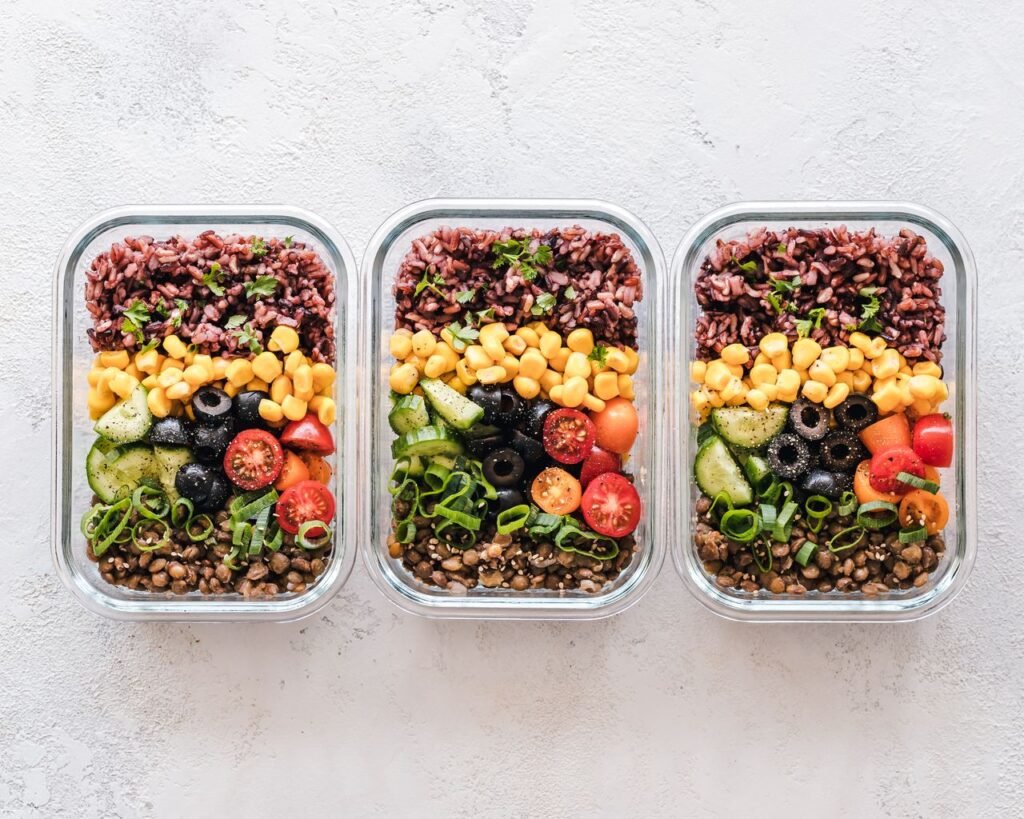
A healthy eating plan should be something you can continue for months and years, not just for a few weeks. If your plan requires expensive foods, complicated recipes, extreme restrictions, or constant tracking, it may become difficult to maintain. Instead, make healthy choices convenient. Keep nutritious foods available at home. Prepare simple meals in advance. Learn a few easy recipes that you genuinely enjoy. Keep healthy snacks available when possible. Most importantly, allow flexibility. Your eating pattern does not need to look identical every day. Some days may include home-cooked meals, while other days may involve eating outside. What matters is the overall pattern.
For more practical nutrition guidance, explore our articles Nutrition & Healthy Eating articles.
Final Thoughts
Learning how to build a healthy eating plan for everyday life does not require following a complicated diet. Start by understanding your lifestyle and then create meals around a variety of nutritious foods. Include vegetables and fruits regularly, choose quality sources of protein and carbohydrates, add healthy fats, pay attention to portions, and make water your primary beverage. Do not try to change everything overnight. Choose a few habits that feel realistic, practice them consistently, and gradually improve your eating pattern.
A healthy diet is not created by one perfect meal.
For a deeper understanding of balanced nutrition, read our related guide: What Is a Healthy Diet? A Complete Guide to Balanced Nutrition
It is created by the choices you make repeatedly over time.
Frequently Asked Questions
What is the best way to start a healthy eating plan?
Start with small, realistic changes. Adding more vegetables, choosing whole-grain foods, including a protein source with meals, and drinking more water are practical starting points.
What should a balanced meal include?
A balanced meal can include vegetables or fruit, a protein-rich food, a carbohydrate source such as whole grains or potatoes, and a source of healthy fat.
Can I eat my favorite foods on a healthy diet?
Yes. A sustainable eating pattern can include foods you enjoy. The goal is to maintain balance and make nutrient-rich foods the foundation of your diet.
Is healthy eating expensive?
It does not have to be. Foods such as oats, beans, lentils, eggs, seasonal vegetables, fruits, and whole grains can be practical and nutritious choices.
Do I need to count calories to eat healthy?
Not necessarily. Some people find calorie tracking useful, but it is not required for everyone. Paying attention to food quality, portions, variety, and hunger can also be useful.
How quickly can I improve my eating habits?
You can start making better choices immediately, but lasting habits generally develop through repeated practice. Focus on gradual improvements rather than expecting overnight changes.
Health Disclaimer
This article is intended for general educational and informational purposes only. It is not a substitute for professional medical or nutritional advice. Individual dietary needs can vary based on age, health status, medications, allergies, activity level, and other factors. If you have a medical condition or specific dietary requirements, consult a qualified healthcare professional or registered dietitian for personalized guidance.
Sources & Further Reading
- World Health Organization (WHO) — Healthy Diet: https://www.who.int/news-room/fact-sheets/detail/healthy-diet
- Harvard Healthy Eating Plate – https://nutritionsource.hsph.harvard.edu/healthy-eating-plate