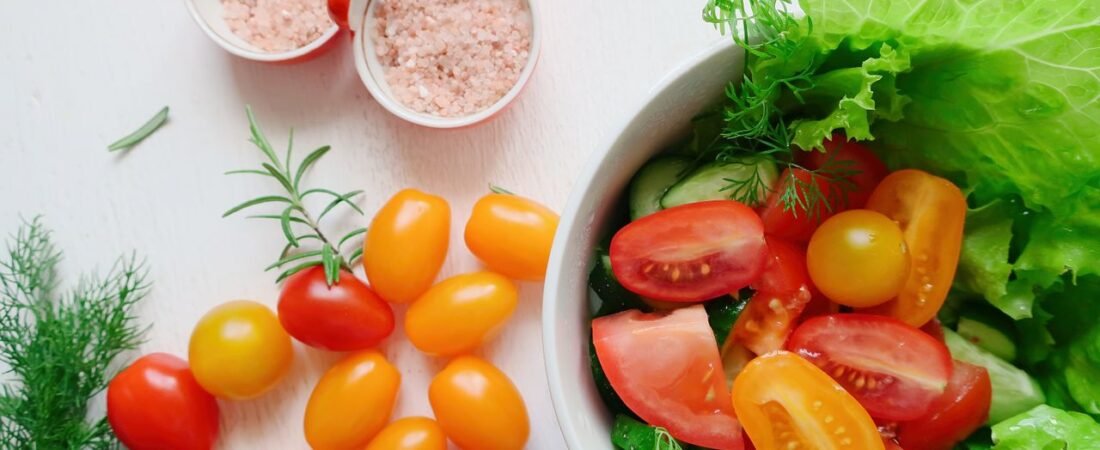
A practical guide to nutrient-dense foods, balanced meals, and simple everyday eating habits.
By HealthNovaPlus+ Editorial Team
Published: August 16, 2026
Choosing healthy foods to eat every day is one of the simplest ways to build a balanced diet and support your overall well-being. Eating healthy does not have to mean following a complicated diet, counting every calorie, or completely avoiding the foods you enjoy. A healthy eating pattern is built around a variety of nutrient-dense foods that provide your body with protein, fiber, healthy fats, vitamins, minerals, and other beneficial nutrients. The goal is not necessarily to eat every food on this list every single day, but to regularly include a variety of them throughout the week.
From leafy greens and berries to eggs, beans, whole grains, nuts, and fatty fish, many simple foods can make everyday meals more nutritious. The key is learning how to combine them into balanced meals that fit your lifestyle.
In this guide, we’ll look at 15 healthy foods to include regularly, explain what makes them nutritious, and show you simple ways to add them to breakfast, lunch, dinner, or snacks. When you regularly include healthy foods to eat every day, it becomes easier to get essential vitamins, minerals, fiber, protein, and healthy fats from your diet.
Key Takeaways
- Vegetables and fruits provide important vitamins, minerals, fiber, and beneficial plant compounds.
- Protein-rich foods such as eggs, beans, yogurt, and fish can help support muscles and make meals more satisfying.
- Whole grains provide carbohydrates along with fiber and other nutrients.
- Nuts, seeds, avocado, and olive oil provide mostly unsaturated fats that can fit into a heart-healthy eating pattern.
- No single food provides everything your body needs. Variety is one of the most important principles of healthy eating.
- Healthy eating does not require perfection. Consistently making nutritious choices matters more than having a perfect meal every time.
1. Leafy Green Vegetables

Leafy greens are among the easiest foods to include in a nutrient-rich eating pattern. Vegetables such as spinach, kale, Swiss chard, collard greens, and romaine lettuce provide a combination of vitamins, minerals, fiber, and plant compounds while generally being relatively low in calories.
Dark green vegetables are particularly useful because they can contribute nutrients such as vitamin K, folate, vitamin C, and provitamin A carotenoids, depending on the vegetable. They can also add volume, color, and texture to meals without requiring complicated preparation.
Why leafy greens are a healthy choice
Regularly eating vegetables is associated with better overall diet quality. Leafy greens can contribute:
- Dietary fiber
- Vitamin K
- Folate
- Vitamin C
- Carotenoids
- Potassium and other minerals
Simple ways to eat more leafy greens
You don’t need to prepare an elaborate salad every day. Try:
- Adding spinach to eggs or omelets
- Mixing greens into sandwiches
- Adding kale or spinach to smoothies
- Making a large vegetable salad for lunch
- Adding chopped greens to soups or bean dishes
Practical tip: If raw greens are difficult to eat regularly, lightly cooking them can make them easier to incorporate into meals.
2. Berries
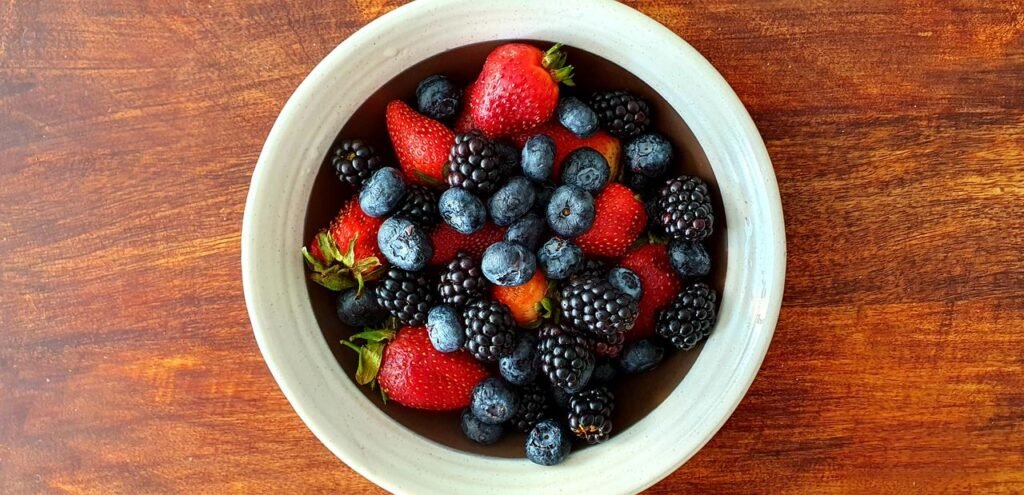
Berries are an excellent way to add fruit to your diet while also getting fiber and a range of naturally occurring plant compounds. Blueberries, strawberries, raspberries, and blackberries can all fit into a balanced eating pattern.
Berries contain compounds such as anthocyanins and other polyphenols. Their nutritional profile varies by type, but they generally provide fiber and vitamin C along with naturally occurring plant compounds.
Why berries are worth adding
Berries can provide:
- Dietary fiber
- Vitamin C
- Folate in smaller amounts
- Polyphenols and other plant compounds
- Natural sweetness without added sugar
Easy ways to include berries
Try adding berries to:
- Plain yogurt
- Oatmeal
- Smoothies
- Whole-grain cereal
- Chia pudding
- A fruit and nut snack
Frozen berries can also be a convenient option when fresh berries are expensive or unavailable.
3. Eggs
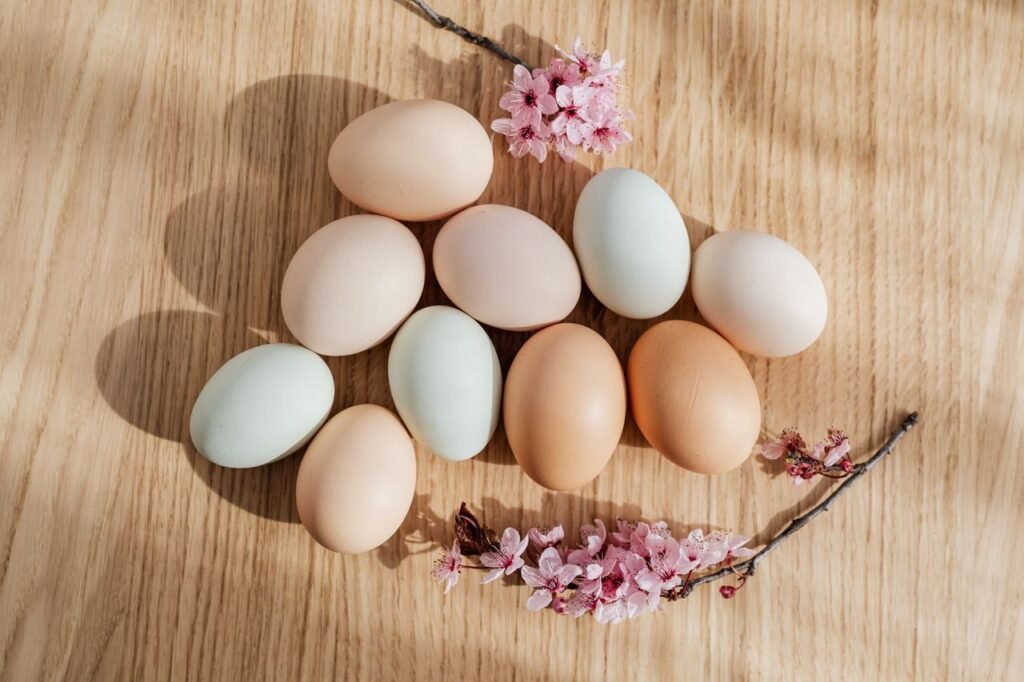
Eggs are a convenient and versatile source of high-quality protein. They also provide nutrients including choline, vitamin B12, selenium, and riboflavin, with additional nutrients found in the yolk.
For many people, eggs can be an easy way to add protein to breakfast or another meal. They can also be combined with vegetables and whole grains to create a more balanced plate.
Why eggs can be part of a healthy diet
Eggs provide:
- High-quality protein
- Choline
- Vitamin B12
- Selenium
- Riboflavin
- Several other micronutrients
Healthy ways to eat eggs
Instead of making eggs the entire meal, combine them with other nutritious foods:
Breakfast idea:
2 eggs + spinach + tomatoes + whole-grain toast
Lunch idea:
Egg and vegetable salad with beans or whole grains
Quick meal:
Vegetable omelet with avocado and a side of fruit
The overall dietary pattern matters more than focusing on one individual food.
4. Oats and Other Whole Grains
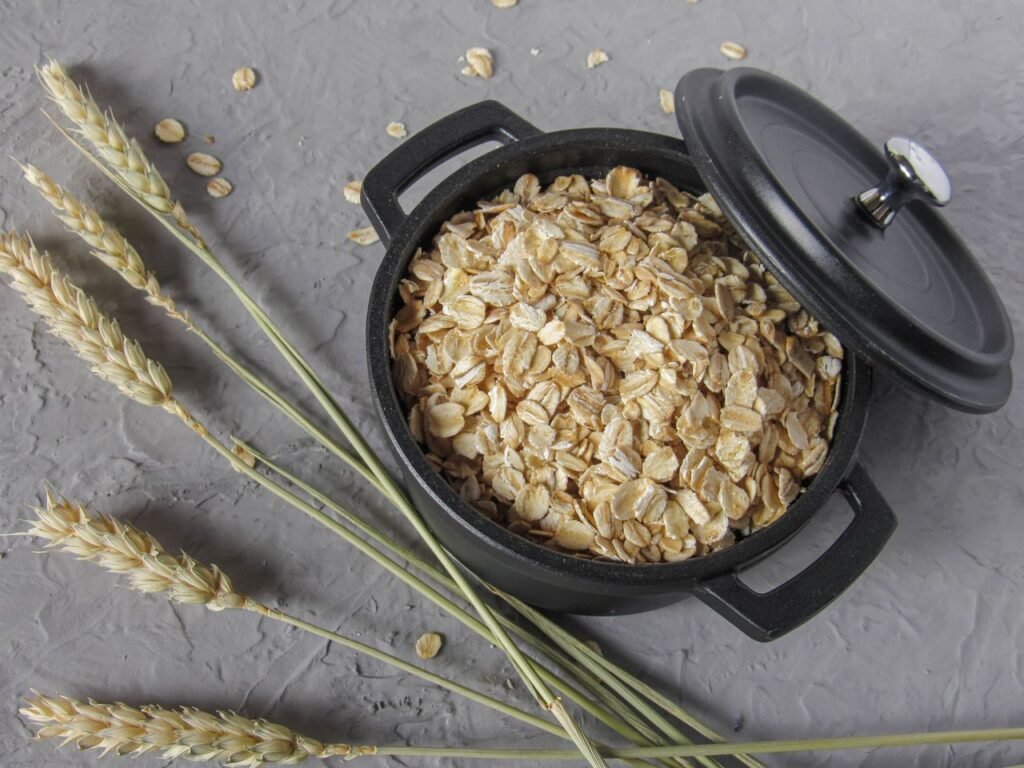
Whole grains contain more of the grain’s natural components than refined grains. Examples include oats, brown rice, barley, quinoa, whole-wheat bread, and whole-grain pasta.
Oats are particularly convenient because they can be prepared quickly and combined with fruit, nuts, seeds, or yogurt.
Why whole grains matter
Whole grains can provide:
- Complex carbohydrates
- Dietary fiber
- B vitamins
- Minerals
- Plant-based protein
Fiber can also help support normal digestion and contribute to feelings of fullness.
Simple ways to eat whole grains
Try:
- Oatmeal with berries and nuts
- Brown rice with vegetables and beans
- Quinoa bowls with chicken and vegetables
- Whole-grain toast with eggs
- Whole-wheat pasta with vegetables and a protein source
Better habit: When possible, replace some refined grains with whole-grain alternatives rather than trying to eliminate carbohydrates completely.
5. Fatty Fish

Fatty fish such as salmon, sardines, trout, herring, and mackerel provide protein and are important dietary sources of the omega-3 fatty acids EPA and DHA.
These fats have been studied extensively for their roles in cardiovascular and overall health. Fish also provides nutrients such as vitamin D and selenium, although the exact amounts vary by species.
Why fatty fish deserves a place in your diet
Fatty fish can provide:
- High-quality protein
- EPA and DHA omega-3 fatty acids
- Vitamin D
- Selenium
- Vitamin B12
Easy meal ideas
- Grilled salmon with vegetables
- Sardines on whole-grain toast
- Baked trout with potatoes and salad
- Mackerel with brown rice and vegetables
For people who eat fish, including different varieties as part of a balanced diet can be a practical way to obtain seafood nutrients.
6. Beans and Lentils
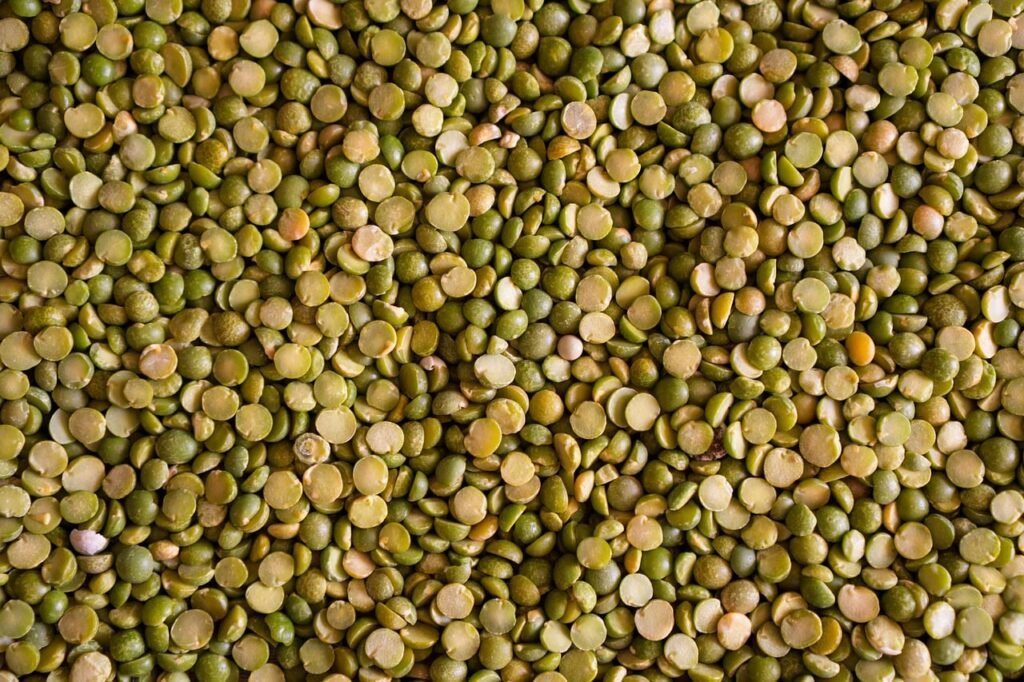
Beans and lentils are affordable, versatile foods that combine plant-based protein and dietary fiber. Examples include black beans, kidney beans, chickpeas, lentils, and white beans.
They can be especially useful for people who want to eat more plant-based meals without giving up satisfying sources of protein.
Nutritional benefits
Beans and lentils can provide:
- Plant protein
- Dietary fiber
- Folate
- Iron
- Potassium
- Magnesium
- Other micronutrients
How to add them to meals
Use them in:
- Lentil soup
- Bean chili
- Chickpea salad
- Grain bowls
- Vegetable curries
- Hummus
- Tacos and wraps
Practical tip: Canned beans can be convenient. If you are watching sodium intake, choose lower-sodium varieties when available or rinse canned beans before eating.
7. Greek Yogurt or Plain Yogurt
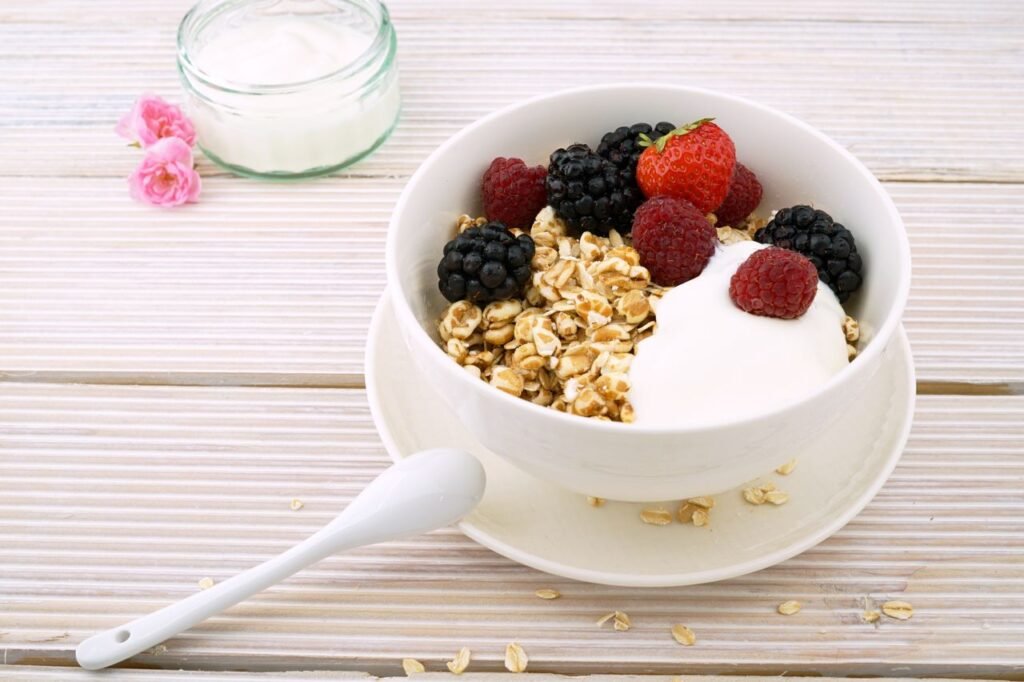
Plain yogurt can provide protein, calcium, and other nutrients. Greek yogurt is often higher in protein than traditional yogurt because of how it is strained.
Yogurt can be particularly useful as a breakfast food or snack because it pairs well with fruit, oats, nuts, and seeds.
What yogurt can provide
Depending on the product, yogurt can contribute:
- Protein
- Calcium
- Vitamin B12
- Riboflavin
- Other micronutrients
Some yogurts also contain live cultures. However, products differ considerably, so checking the nutrition and ingredient labels can help you choose one that fits your needs.
Healthy combinations
Try:
Plain Greek yogurt + berries + walnuts
or
Plain yogurt + oats + banana + chia seeds
For less added sugar, choose plain yogurt and add naturally sweet fruit yourself.
8. Nuts
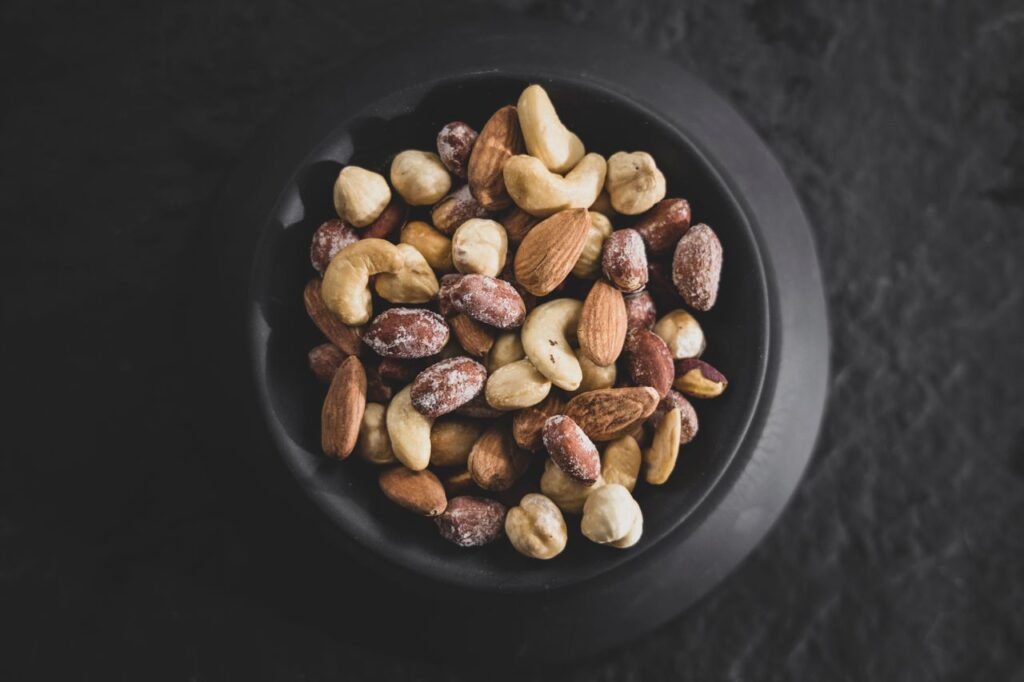
Nuts are small but nutrient-dense foods. Almonds, walnuts, pistachios, cashews, and peanuts can provide unsaturated fats, protein, fiber, vitamins, and minerals.
Because nuts are energy-dense, portion size can matter. A small handful can be enough to add nutrition without turning a snack into a very large calorie source.
Benefits of adding nuts
Nuts can provide:
- Unsaturated fats
- Plant protein
- Fiber
- Magnesium
- Vitamin E in certain varieties
- Other minerals and plant compounds
Simple ways to eat nuts
Add them to:
- Oatmeal
- Yogurt
- Salads
- Smoothies
- Whole-grain cereal
- Fruit snacks
Choose unsalted or lightly salted nuts more often if you want to reduce sodium intake.
9. Seeds
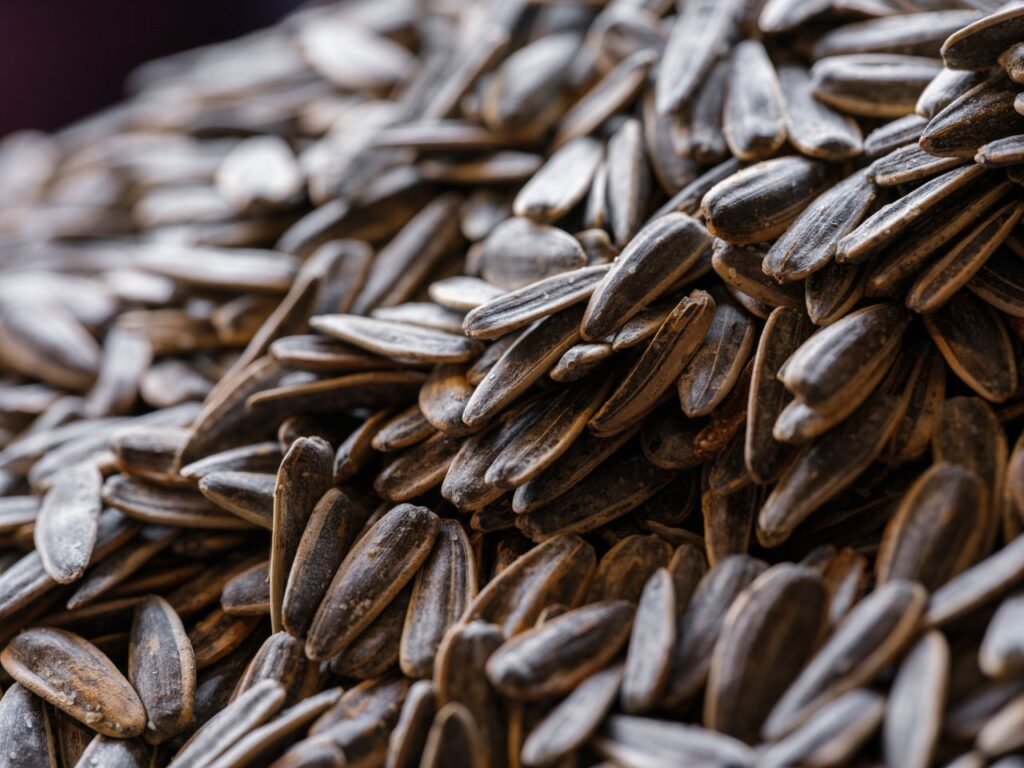
Seeds are another convenient way to add nutrients to everyday meals. Chia seeds, flaxseeds, pumpkin seeds, and sunflower seeds can contribute healthy fats, protein, fiber, and minerals.
Chia and flaxseeds are particularly useful additions to foods such as oatmeal and yogurt because they can be incorporated without changing the meal significantly.
What seeds can add to your diet
Depending on the type, seeds can provide:
- Fiber
- Protein
- Unsaturated fats
- Magnesium
- Zinc
- Plant-based omega-3 fats such as ALA in flax and chia
Easy ways to use them
Sprinkle seeds over:
- Oatmeal
- Yogurt
- Salads
- Smoothie bowls
- Soups
- Whole-grain cereal
Tip: Ground flaxseed is often easier to incorporate into meals than whole flaxseed.
10. Avocado
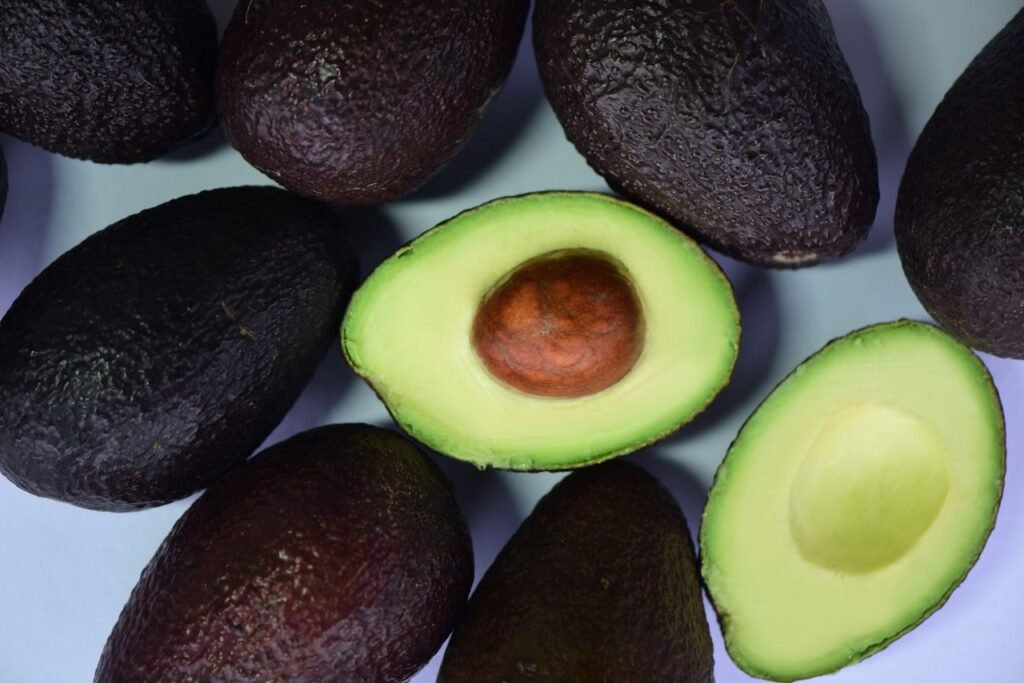
Avocado is a fruit known for its creamy texture and relatively high content of monounsaturated fat. It also provides fiber, potassium, and several other nutrients.
Instead of thinking of avocado as a special “diet food,” it can simply be used as one source of healthy fats within a balanced eating pattern.
Ways avocado can fit into a healthy diet
Use avocado:
- On whole-grain toast
- In salads
- In grain bowls
- In sandwiches
- As a topping for eggs
- In homemade guacamole
Because avocado is energy-dense, a moderate portion can be enough for most meals.
11. Tomatoes
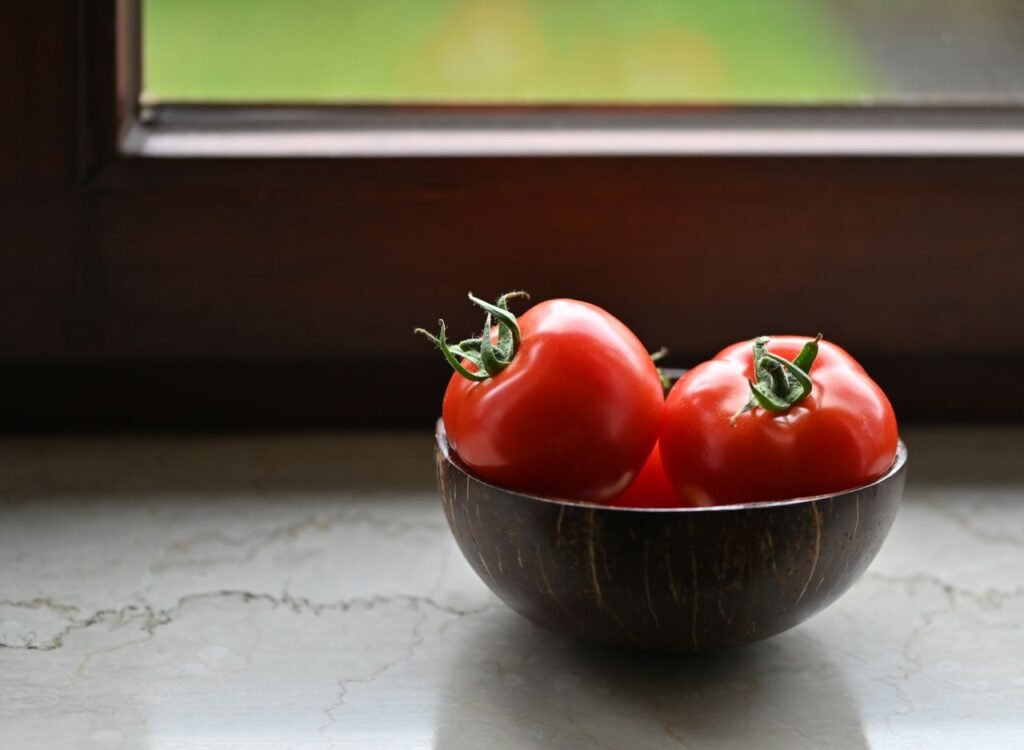
Tomatoes are an easy food to add to almost any meal. They provide vitamin C, potassium, folate, and carotenoids such as lycopene.
Cooking tomatoes can change the availability of certain carotenoids, while pairing tomatoes with a source of fat may also influence carotenoid absorption.
Easy ways to eat tomatoes
Try:
- Fresh tomatoes in salads
- Tomato-based soups
- Homemade salsa
- Tomato and egg dishes
- Roasted tomatoes
- Tomato sauce with whole-grain pasta
The simplest approach is often the best: add tomatoes wherever they naturally fit into your meals.
12. Broccoli and Other Cruciferous Vegetables
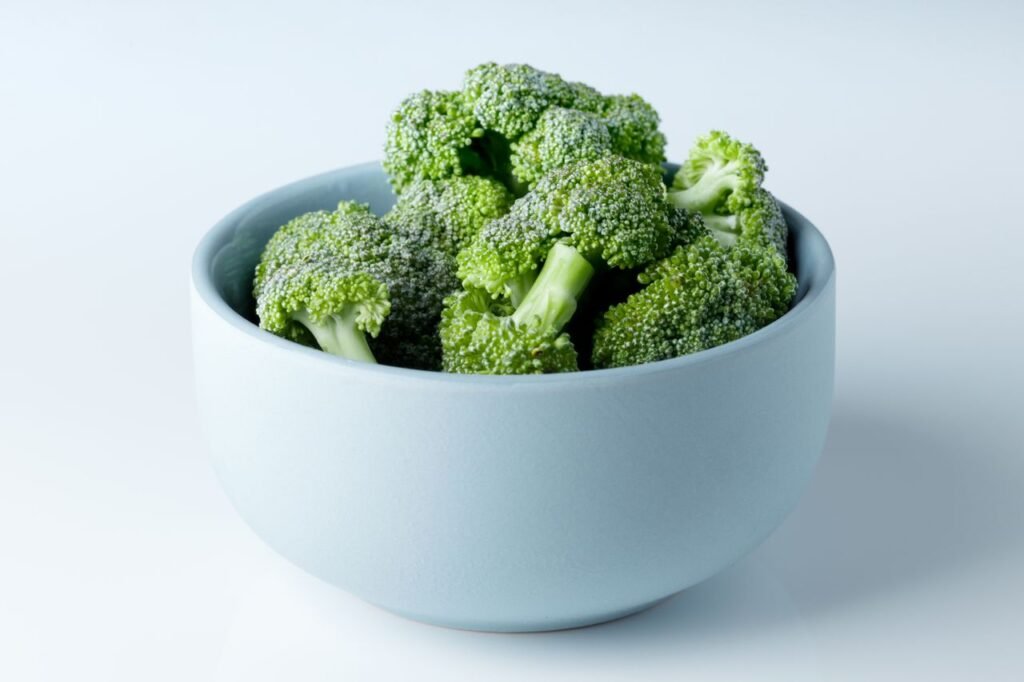
Broccoli belongs to the cruciferous vegetable family, which also includes cauliflower, Brussels sprouts, cabbage, and kale.
These vegetables provide fiber, vitamin C, vitamin K, folate, and various plant compounds. Eating a variety of vegetables rather than relying on only one type can help improve overall dietary variety.
Try broccoli in different ways
You can:
- Steam it
- Roast it
- Stir-fry it
- Add it to soups
- Mix it into grain bowls
- Serve it alongside fish, eggs, chicken, or beans
A simple dinner of broccoli + brown rice + beans or fish can become a nutrient-rich meal without complicated cooking.
13. Extra-Virgin Olive Oil

Extra-virgin olive oil is a source of monounsaturated fat and naturally occurring plant compounds. It is widely used in Mediterranean-style eating patterns, which emphasize vegetables, fruits, legumes, whole grains, fish, nuts, and olive oil.
Replacing some sources of saturated fat with unsaturated fats can be a useful part of a heart-conscious eating pattern.
Simple ways to use olive oil
Use a small amount to:
- Dress salads
- Roast vegetables
- Cook vegetables
- Make homemade dressings
- Add flavor to beans and whole grains
Remember that olive oil is still calorie-dense, so more is not necessarily better.
14. Sweet Potatoes

Sweet potatoes provide carbohydrates, fiber, potassium, and carotenoids, particularly beta-carotene in orange varieties.
They can be a nutritious alternative to highly refined carbohydrate choices, especially when prepared simply.
Healthy ways to prepare sweet potatoes
Try:
- Baked sweet potato
- Roasted sweet potato cubes
- Sweet potato with beans
- Sweet potato with grilled fish
- Mashed sweet potato with vegetables
For a balanced meal, combine sweet potatoes with protein + vegetables + a healthy fat source.
15. Apples
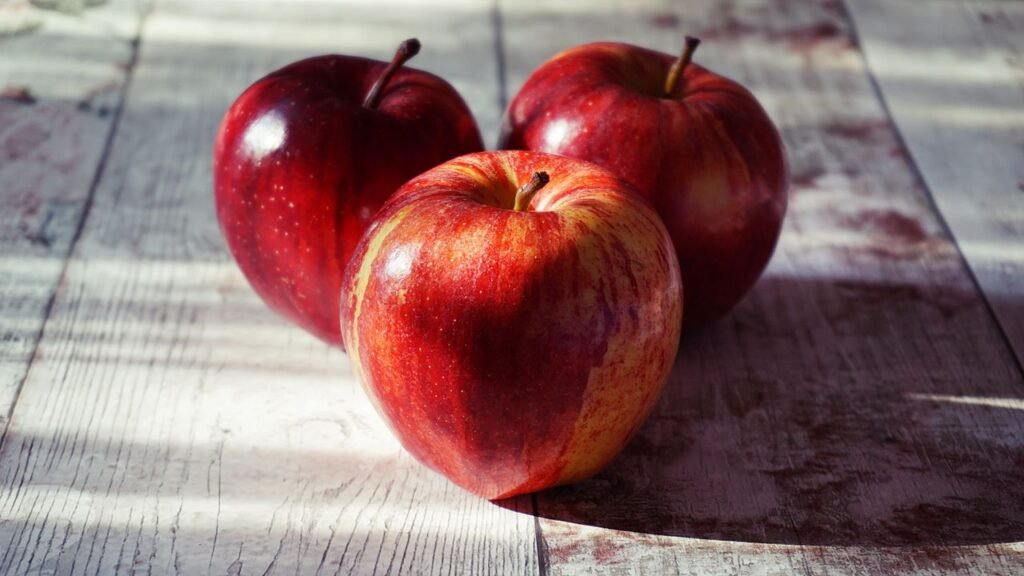
Apples are convenient, affordable, portable, and naturally sweet. Eating the whole fruit provides fiber and water along with vitamins and plant compounds.
Whole fruit is generally preferable to fruit juice when you want the fiber and greater satiety associated with eating the fruit itself.
Easy apple combinations
Try:
Apple + natural peanut butter
Apple + plain yogurt
Apple + small handful of nuts
Apple + oatmeal
These combinations can make a simple snack more satisfying because they combine carbohydrates with protein and/or healthy fats.
How to Build a Healthy Meal With These Foods
Knowing which foods are healthy is useful, but knowing how to combine them is even more practical.
A simple approach is to build meals around four components:
1. Vegetables or fruit
Aim to make vegetables and fruits a regular part of meals.
Examples:
- Spinach
- Broccoli
- Tomatoes
- Berries
- Apples
2. Protein
Choose a protein source such as:
- Eggs
- Fish
- Beans
- Lentils
- Yogurt
- Chicken
- Tofu
3. Whole-food carbohydrate
Depending on your needs, choose:
- Oats
- Brown rice
- Quinoa
- Whole-grain bread
- Potatoes
- Sweet potatoes
4. Healthy fat
Include moderate amounts of:
- Nuts
- Seeds
- Avocado
- Olive oil
Example of a Simple Balanced Day
Breakfast
Oatmeal + berries + chia seeds + plain Greek yogurt
This combination provides carbohydrates, fiber, protein, and healthy fats.
Lunch
Large vegetable salad + chickpeas + avocado + olive-oil dressing + whole-grain bread
This provides plant protein, fiber, vegetables, and unsaturated fats.
Snack
Apple + small handful of almonds
A simple combination of fruit, fiber, protein, and healthy fats.
Dinner
Grilled salmon + broccoli + sweet potato + salad
This gives you protein, vegetables, whole-food carbohydrates, and beneficial fats.
The exact foods and portions should be adjusted according to your individual energy needs, preferences, culture, allergies, medical conditions, and dietary goals.
Foods to Limit More Often
Healthy eating is not only about adding nutritious foods. It can also help to reduce your reliance on foods that provide a lot of added sugar, sodium, or saturated fat while offering relatively little nutritional value.
Consider limiting frequent consumption of:
- Sugary drinks
- Candy and sweets
- Highly processed snack foods
- Excessively salty foods
- Processed meats
- Refined grains
- Foods high in added sugars
This does not mean you can never eat these foods.
A sustainable eating pattern allows room for enjoyment while making nutritious foods the foundation of your diet.
Do You Need to Eat All 15 Foods Every Day?
No.
This is an important point.
The purpose of this list is not to create a rigid checklist where you must eat all 15 foods every day. Your nutritional needs are better supported by variety across meals and across the week.
For example, you might eat:
Monday: eggs, oats, spinach, berries, beans
Tuesday: yogurt, apples, salmon, broccoli, brown rice
Wednesday: lentils, avocado, tomatoes, nuts, sweet potatoes
Different combinations can still create a nutritious overall eating pattern.
Think variety and consistency, not perfection.
7 Simple Healthy Eating Habits That Make a Difference
1. Add one vegetable to lunch and dinner
You don’t have to completely redesign your meals. Simply adding a vegetable is a practical starting point.
2. Choose whole fruit more often
Instead of relying heavily on juice, choose whole fruits such as apples, berries, oranges, or bananas.
3. Include protein in your meals
Protein from fish, eggs, beans, lentils, yogurt, poultry, tofu, or other sources can help make meals more satisfying.
4. Replace some refined grains with whole grains
Try swapping white bread or refined grains for whole-grain alternatives when practical.
5. Keep healthy snacks available
Having fruit, nuts, yogurt, or other nutritious options available can make healthy choices easier when you’re hungry.
6. Drink mostly water
Water should generally be the primary beverage for hydration. Unsweetened tea and other low- or no-calorie beverages can also fit into a healthy eating pattern.
7. Focus on consistency
One healthy meal will not transform your health, and one less nutritious meal will not ruin your diet. Long-term habits matter much more.
Read Related Stories – How to Build a Healthy Eating Plan for Everyday Life
References
- U.S. Department of Agriculture. MyPlate. https://www.myplate.gov/
- U.S. Department of Agriculture & U.S. Department of Health and Human Services. Dietary Guidelines for Americans. https://www.dietaryguidelines.gov/
- Harvard T.H. Chan School of Public Health. The Healthy Eating Plate. https://www.hsph.harvard.edu/nutritionsource/healthy-eating-plate/
- Centers for Disease Control and Prevention. Healthy Eating. https://www.cdc.gov/healthy-weight-growth/healthy-eating/
- World Health Organization. Healthy Diet. https://www.who.int/news-room/fact-sheets/detail/healthy-diet
- American Heart Association. Healthy Eating. https://www.heart.org/en/healthy-living/healthy-eating