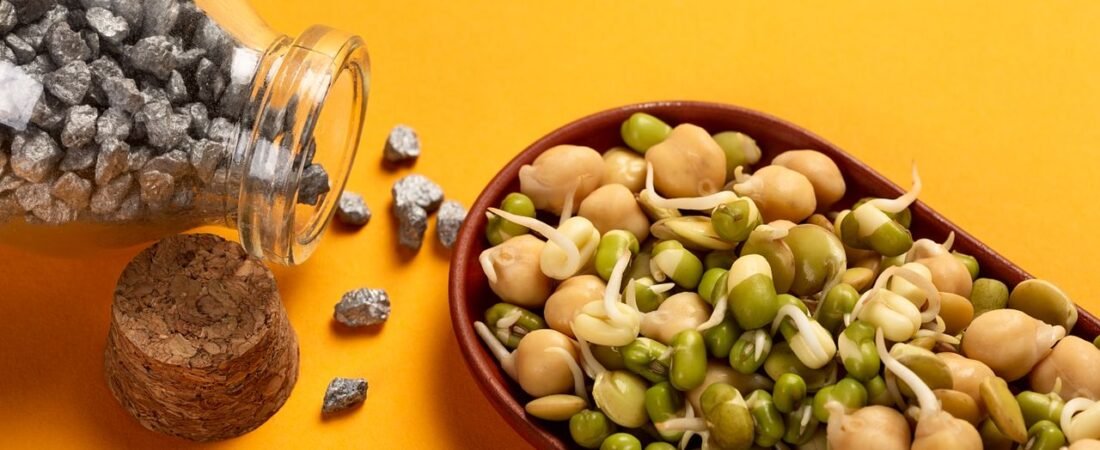
Iron rich foods can play an important role in a balanced diet because iron is an essential mineral involved in several important functions in the body. Most people associate iron with blood and energy, but its role is broader than that. Iron is needed to make hemoglobin, a protein in red blood cells that helps carry oxygen throughout the body. It is also involved in normal cellular energy production and other physiological processes.
When dietary iron intake is consistently too low, iron stores can eventually become depleted. If deficiency becomes significant, iron-deficiency anemia may develop. Tiredness and weakness are commonly associated with anemia, but these symptoms are not specific to iron deficiency and can have many other causes.
The good news is that there are many ways to include iron through ordinary foods. Meat and seafood provide highly absorbable heme iron, while beans, lentils, tofu, seeds, grains, and vegetables provide non-heme iron. Understanding the difference between these forms—and knowing how meal combinations can influence absorption—is often more useful than simply memorizing a list of foods.
This guide explains the most useful iron rich foods, how the body absorbs iron, how to combine foods for better absorption, and when it makes sense to discuss iron levels with a healthcare professional.
Why Iron Matters for Your Body
Iron has several important jobs. Its best-known role is helping form hemoglobin, which allows red blood cells to transport oxygen from the lungs to tissues throughout the body. Iron is also part of myoglobin, a protein that helps provide oxygen to muscles.
Iron is involved in enzymes and cellular processes related to energy production. This helps explain why severe iron deficiency can be associated with tiredness and reduced physical capacity.
However, more iron is not automatically better. The body carefully regulates iron because excessive iron can also be harmful. The goal is to consume an amount appropriate for your individual needs rather than taking large doses without a clear reason.
How Much Iron Do You Need?
Iron requirements vary according to age, sex, life stage, and other factors.
For example, menstruating women generally have higher recommended iron intakes than adult men and postmenopausal women because of regular blood loss during menstruation. Pregnancy also increases iron requirements.
This is one reason nutrition advice should not be based on a single number for everyone.
Heme and Non-Heme Iron: What Is the Difference?
One of the most useful things to understand about iron rich foods is that dietary iron comes in two main forms.
Heme iron is found in animal foods such as meat, poultry, and seafood. The body generally absorbs heme iron more efficiently.
Non-heme iron is found primarily in plant foods and fortified foods. Beans, lentils, tofu, seeds, some vegetables, and fortified grains can all contribute non-heme iron.
Non-heme iron is still valuable. However, its absorption is influenced more strongly by other foods and compounds in the meal.
Why Food Combinations Matter
If you rely mainly on plant foods for iron, you don’t necessarily need to worry about getting enough from one individual food. Instead, focus on variety and meal combinations.
For example, pairing a plant-based iron source with a food rich in vitamin C can help improve the absorption of non-heme iron.
That makes meal planning more useful than simply asking which food contains the highest amount of iron.
Lean Beef Provides Highly Absorbable Iron
Lean beef is one of the traditional iron rich foods because it provides heme iron, which is generally more readily absorbed than non-heme iron.
Beef also provides protein, vitamin B12, zinc, and other nutrients. Including reasonable portions of lean meat can therefore contribute several nutrients at the same time.
However, eating more red meat is not automatically the best strategy for everyone. Overall dietary pattern matters, and people can obtain iron from many different foods.
How to Include Beef in a Balanced Meal
A simple meal might combine a moderate portion of lean beef with vegetables and a whole-grain or other carbohydrate source.
Instead of making meat the entire meal, use it as one component of a varied plate.
This approach provides nutritional variety while allowing you to benefit from the iron and other nutrients found in beef.
Sardines Provide Iron Along With Other Nutrients
Sardines are a practical seafood option that provides iron along with protein and omega-3 fatty acids. They can be especially convenient because canned sardines require little preparation and can be stored for longer periods.
Seafood can add variety to an eating pattern that might otherwise rely heavily on meat or plant-based foods.
Simple Ways to Eat Sardines
Sardines can be added to a salad, served on whole-grain toast, or incorporated into a simple grain bowl with vegetables.
When choosing canned sardines, check the nutrition label for sodium and other added ingredients. Products can vary considerably.
The goal is not to eat sardines every day. Rotating different seafood and other iron-containing foods throughout the week can provide more variety.
Lentils Offer Iron and Plant-Based Nutrition
Lentils are one of the most useful plant-based iron rich foods because they provide iron along with protein, fiber, and other nutrients.
They are also affordable, easy to store, and adaptable to many types of cooking. Lentils can become part of soups, curries, salads, grain bowls, and other everyday meals.
Because lentils provide both protein and fiber, they can make a meal more substantial without requiring meat.
Improve Iron Absorption From Lentils
The form of iron in lentils is non-heme iron, so absorption can be influenced by the foods eaten alongside them.
One practical approach is to combine lentils with vitamin C-rich foods such as bell peppers, tomatoes, citrus fruits, or broccoli.
For example, a lentil bowl with tomatoes and bell peppers provides a more thoughtful combination than eating lentils alone.
Tofu Is a Versatile Plant-Based Iron Source
Tofu is made from soybeans and can contribute iron and protein to a plant-based or mixed diet. Its neutral flavor allows it to work with a wide range of seasonings and cooking styles.
It can be grilled, baked, sautéed, or added to soups and stir-fries.
The nutritional content of tofu varies by product, so checking the nutrition label can help you understand how much iron and protein a particular product provides.
Make Tofu Part of a Balanced Meal
Try combining tofu with vegetables and a source of vitamin C. A stir-fry containing tofu, bell peppers, broccoli, and other vegetables can create a nutrient-rich meal with several complementary ingredients.
This is a good example of why healthy nutrition is about the whole meal rather than one isolated food.
Pumpkin Seeds Add Iron to Snacks and Meals
Pumpkin seeds are small but nutrient-dense. They provide iron along with protein, magnesium, unsaturated fats, and other nutrients.
They are particularly easy to use because you don’t need to cook them. A modest amount can be sprinkled over salads, yogurt, oatmeal, or vegetable dishes.
Because pumpkin seeds are energy-dense, portion size is worth considering, especially if you are monitoring your overall calorie intake.
An Easy Way to Use Pumpkin Seeds
Try adding pumpkin seeds to a meal that already contains a source of vitamin C. For example, you could sprinkle them over a salad containing bell peppers and tomatoes.
This creates a meal where different ingredients contribute different nutrients.
Iron Rich Foods: Quick Comparison
| Food | Type of Iron | Other Nutritional Benefits | Easy Meal Idea |
|---|---|---|---|
| Lean beef | Heme | Protein, B12, zinc | Beef with vegetables |
| Sardines | Heme | Protein, omega-3 fats | Sardine salad |
| Lentils | Non-heme | Protein, fiber | Lentil curry |
| Tofu | Non-heme | Protein | Vegetable stir-fry |
| Pumpkin seeds | Non-heme | Magnesium, healthy fats | Salad topping |
Nutrient amounts can vary according to serving size, variety, preparation method, and brand.
How Vitamin C Helps With Plant-Based Iron
If most of your iron comes from plant foods, paying attention to meal combinations can be useful.
Vitamin C can improve the absorption of non-heme iron. Foods such as bell peppers, citrus fruits, strawberries, tomatoes, and broccoli can provide vitamin C.
This does not mean you need to calculate nutrient interactions at every meal.
A simple habit is enough: pair plant-based iron sources with a vitamin C-rich food when practical.
For example:
- Lentils + tomatoes
- Tofu + bell peppers
- Pumpkin seeds + strawberries
- Beans + broccoli
- Fortified cereal + fresh fruit
These combinations are easy to incorporate without making meals complicated.
What Can Reduce Iron Absorption?
Some foods and beverages contain compounds that can reduce non-heme iron absorption when consumed with an iron-rich meal.
Tea and coffee are important examples because their polyphenols can interfere with non-heme iron absorption.
Calcium may also influence iron absorption under certain circumstances.
This does not mean you need to eliminate tea, coffee, or calcium-containing foods from your diet.
Timing Can Be More Practical Than Avoidance
If you have been diagnosed with iron deficiency or have been advised to increase iron absorption, a healthcare professional may suggest separating tea or coffee from iron-rich meals or iron supplements.
For most people, there is no reason to become anxious about individual meals. Your overall dietary pattern matters much more.
Iron Rich Foods for Plant-Based Diets
People who eat mostly or entirely plant-based diets can still obtain iron from a wide range of foods.
Useful choices include:
- Lentils
- Beans
- Tofu
- Tempeh
- Pumpkin seeds
- Sesame seeds
- Fortified cereals
- Whole grains
- Some vegetables
Because plant-based iron is non-heme iron, meal composition becomes particularly relevant.
Combining these foods with vitamin C-rich fruits and vegetables can be a simple strategy for improving iron absorption.
If you are following a highly restrictive diet, working with a registered dietitian can help ensure that your overall nutrient intake is adequate.
Iron Needs Can Change Throughout Life
Iron requirements are not the same for everyone.
During Menstruation
Regular menstrual blood loss can increase the amount of iron some women need. Heavy menstrual bleeding can increase the risk of iron deficiency even when dietary intake appears reasonable.
If you experience unusually heavy periods along with persistent tiredness or weakness, discuss this with a healthcare professional rather than assuming diet is the only explanation.
During Pregnancy
Iron requirements increase during pregnancy because the body needs to support increased blood volume and fetal development.
Pregnant people should follow guidance from their healthcare professional regarding iron intake and supplementation.
In Children and Teenagers
Growing bodies have changing nutritional requirements. Iron needs during childhood and adolescence can be significant, particularly during periods of rapid growth.
Parents should avoid giving children high-dose iron supplements without professional guidance.
Iron Rich Foods vs Iron Supplements
Food should generally be the starting point for meeting nutritional needs when possible. However, food alone may not always be enough to correct an established deficiency.
If blood tests show iron-deficiency anemia, a healthcare professional may recommend an iron supplement depending on the cause and severity.
Taking iron supplements without medical guidance is not a good idea.
Too much iron can cause side effects and, in excessive amounts, can be harmful.
Why Finding the Cause Matters
If someone has iron deficiency, simply taking iron may not address why the deficiency developed.
Possible contributing factors include inadequate dietary intake, heavy menstrual bleeding, pregnancy, certain digestive conditions, impaired absorption, or blood loss.
Finding the cause is therefore an important part of proper treatment.
Can Iron Deficiency Cause Tiredness?
Yes, iron deficiency and iron-deficiency anemia can be associated with fatigue and weakness.
But tiredness alone does not prove that you have low iron.
Poor sleep, stress, inadequate calorie intake, thyroid disorders, infections, vitamin deficiencies, and many other conditions can also cause fatigue.
If tiredness is persistent or unexplained, a healthcare professional can determine whether testing is appropriate.
For another nutrition-related look at persistent tiredness and dietary choices, you can also read our article on Foods That Boost Energy: Nutritious Choices for Daily Energy.
How to Build an Iron-Rich Meal
You don’t need to design complicated recipes to eat more iron-rich foods.
Think in three parts:
Choose an iron source.
For example, lentils, tofu, beef, sardines, or pumpkin seeds.
Add a vitamin C source.
Tomatoes, bell peppers, citrus fruit, or broccoli can work well.
Complete the meal.
Add vegetables, whole grains, or another nutritious carbohydrate source according to your preferences.
This simple framework makes nutrition practical without requiring you to track every nutrient.
Common Mistakes When Trying to Increase Iron Intake
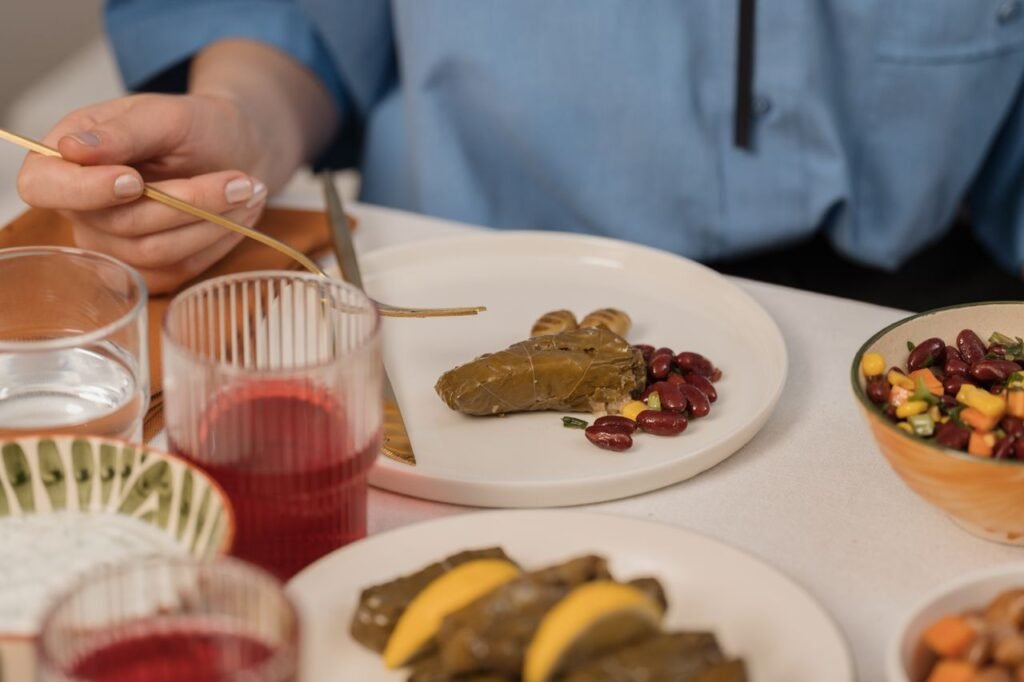
Focusing Only on One Food
No single food needs to carry the entire burden of meeting your iron requirements. Variety is more useful.
Assuming Fatigue Means Iron Deficiency
Fatigue has many possible causes. Self-diagnosis can lead to unnecessary supplementation.
Taking High-Dose Iron Without Testing
Iron supplements are not harmless. High doses can cause gastrointestinal side effects and can be dangerous in excessive amounts.
Ignoring Absorption
The amount of iron in a food is only part of the story. The type of iron and the overall meal composition also matter.
Final Thoughts
Iron rich foods can provide an important mineral that your body needs for oxygen transport, energy-related processes, and normal physiological function. The most useful approach is not to focus on one food but to include a variety of iron sources across your meals.
Animal foods such as lean beef and sardines provide heme iron, while lentils, tofu, and pumpkin seeds provide non-heme iron. If your diet relies mainly on plant sources, combining them with vitamin C-rich foods can be a practical way to support iron absorption.
Most importantly, don’t assume that tiredness or weakness automatically means you need an iron supplement. Persistent symptoms deserve proper evaluation, and an identified deficiency should be treated according to professional advice.
A balanced diet, varied food choices, and sensible meal combinations can go a long way toward supporting adequate iron intake without turning nutrition into something unnecessarily complicated.
Sources & References
National Institutes of Health – Office of Dietary Supplements
Iron – Fact Sheet for Consumers
https://ods.od.nih.gov/factsheets/Iron-Consumer/
MedlinePlus
Iron in Diet
https://medlineplus.gov/ency/article/002422.htm
National Institute of Diabetes and Digestive and Kidney Diseases
Eating, Diet, & Nutrition
https://www.niddk.nih.gov/health-information/diet-nutrition
U.S. Department of Agriculture – FoodData Central
Food and Nutrient Database
https://fdc.nal.usda.gov/
Centers for Disease Control and Prevention
About Iron and Iron Deficiency
https://www.cdc.gov/nutrition/
Disclaimer
This article is for general informational purposes only and is not a substitute for professional medical advice. Consult a qualified healthcare professional for personalized guidance.