
Key Takeaways
- Potassium is an essential mineral that supports normal muscle contraction, nerve signalling, and fluid balance. [1]
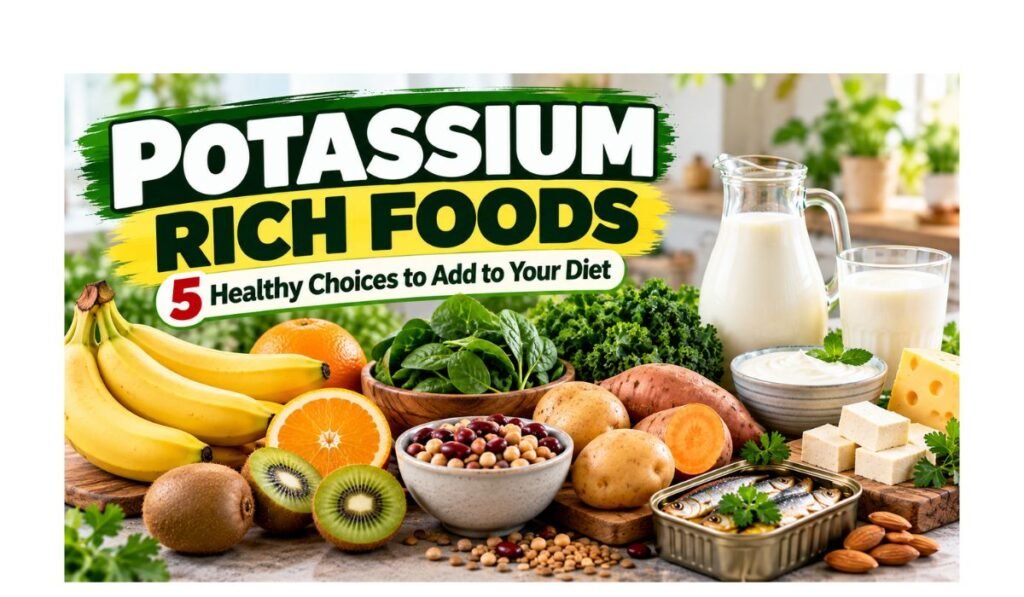
- Potatoes, beans, bananas, leafy greens, and some dairy products can contribute potassium to your daily diet. [1][2]
- You can obtain potassium from a variety of foods rather than relying on a single fruit or vegetable.
- Cooking methods, serving sizes, and food preparation can affect the amount of potassium you consume.
- People with kidney disease or those taking certain medicines may need individualized advice about potassium intake. [3]
Potassium is an essential mineral that helps your body maintain normal fluid balance, supports the function of nerves and muscles, and contributes to the regulation of normal blood pressure. Your body needs potassium regularly, and a varied diet containing fruits, vegetables, legumes, and other nutritious foods can help you obtain it. Although bananas are often the first food people associate with potassium, they are not the only useful source. Potatoes, beans, lentils, leafy greens, yogurt, and several other foods can also contribute meaningful amounts. The best choices depend on your eating habits, preferences, budget, and overall nutritional needs. Understanding potassium rich foods can help you build meals that provide a wider range of nutrients instead of focusing on one particular ingredient. However, potassium is not a nutrient that everyone should increase without considering their health circumstances. People with healthy kidney function can generally regulate potassium from food effectively, but some people with chronic kidney disease or those taking certain medicines may be advised to limit or carefully manage their intake. Therefore, the goal is not simply to eat as much potassium as possible; it is to choose suitable foods, maintain a varied diet, and follow individualized medical advice when necessary. [1][3]
Why Does Your Body Need Potassium?
Potassium is an electrolyte, which means it carries an electrical charge when dissolved in body fluids. It plays an important role in nerve transmission, muscle contraction, and maintaining the balance of fluids inside and outside cells. Potassium also contributes to normal heart and muscle function. [1][2]
Dietary patterns that include potassium-rich foods are associated with better overall diet quality, especially when these foods replace less nutritious options. Potassium also works alongside other nutrients, including sodium, in the body’s systems for maintaining fluid balance and blood pressure. However, simply eating a high-potassium food does not guarantee that a person’s blood pressure will improve or that a medical condition will be prevented.
For most people, a practical approach is to eat a variety of vegetables, fruits, beans, and other nutrient-rich foods. If you have a health condition that affects potassium regulation, your individual needs may be different, and a healthcare professional can help determine the appropriate dietary approach.
1. Potatoes and Sweet Potatoes: Versatile Sources of Potassium
Potatoes and sweet potatoes can contribute potassium to your diet, making them useful options for everyday meals. Their potassium content varies according to the variety, size, cooking method, and whether the skin is eaten. Both can also provide carbohydrates, which supply energy, while sweet potatoes contain beta-carotene that the body can convert into vitamin A. [1][2]
Potatoes sometimes receive an unnecessarily negative reputation because they are frequently served as chips or deep-fried foods. However, the nutritional value of a meal depends on the preparation method and the foods served alongside it. A boiled or baked potato with vegetables, beans, yogurt, or another suitable protein source can be part of a balanced meal. Deep-frying and adding large quantities of salt, butter, or high-calorie sauces can change the overall nutritional profile, so preparation matters more than treating the potato itself as automatically unhealthy.
Why Potatoes Can Fit Into a Balanced Diet
Potatoes provide potassium and energy from carbohydrates. Sweet potatoes provide potassium as well as beta-carotene, while ordinary potatoes can also contribute vitamin C and other nutrients depending on the variety and preparation. Leaving the skin on when appropriate can add fiber, provided the potato is washed thoroughly and prepared safely.
Easy Ways to Eat Potatoes
- Bake potatoes and serve them with beans or vegetables.
- Boil potatoes and add them to a homemade vegetable meal.
- Prepare sweet potatoes in the oven with herbs and a modest amount of oil.
- Add cooked potatoes to a balanced lunch rather than relying on fried potato snacks.
Practical tip: Choose preparation methods you enjoy and can maintain regularly. Boiling, baking, or roasting can be useful alternatives to deep-frying.
2. Beans and Lentils: Potassium Along With Fiber and Protein
Beans and lentils are useful foods for people who want to increase the variety of nutrients in their diet. They provide potassium, plant-based protein, and dietary fiber, although the exact amounts differ among varieties and serving sizes. They can be particularly practical because they are available in many forms, including dried, canned, and cooked products. [1][2]
Legumes can fit into a wide range of eating patterns, including vegetarian diets. Lentils, chickpeas, kidney beans, and other beans can be used in soups, curries, salads, and grain-based meals. They are also often affordable sources of nutrients, which can make them useful for families planning meals on a budget.
Which Beans and Lentils Can You Include?
Options include:
- Lentils.
- Chickpeas.
- Kidney beans.
- Black beans.
- White beans and other locally available varieties.
Potassium content varies, so it is not accurate to assume that all beans provide the same amount. For a more precise estimate, consult the nutrition label or a reliable food composition database.
How to Add Legumes to Everyday Meals
You can prepare lentil dal, add chickpeas to a salad, make bean soup, or include beans in a vegetable curry. Pairing legumes with vegetables and whole grains can create meals that provide fiber, carbohydrates, protein, and other nutrients.
Canned beans can be convenient, but their sodium content varies. If you are trying to reduce sodium intake, compare labels and consider rinsing canned beans when appropriate.
Practical tip: Cook a batch of beans or lentils in advance and use them in different meals during the week. This can make nutritious cooking easier on busy days.
3. Bananas and Other Fruits: Convenient Potassium Sources
Bananas are widely recognized as a source of potassium, but other fruits can contribute to your intake too. Depending on the fruit and serving size, options include oranges, melons, apricots, kiwi, and some dried fruits. Different fruits provide different combinations of potassium, fiber, water, and other nutrients. [1][2]
Fruit is convenient because it can be eaten with little preparation. Whole fruit also supplies dietary fiber, which may be reduced when fruit is processed into juice. Including a range of fruits can help improve dietary variety instead of relying on bananas alone.
Are Bananas the Best Potassium-Rich Fruit?
Bananas can be a convenient source of potassium, but they are not automatically the best choice for everyone. The potassium content of a food depends on its portion size and composition, and some other fruits may provide comparable or greater amounts per serving. Dried fruits can be concentrated sources of potassium, but they also contain less water and can be easier to consume in large amounts.
The most practical choice is to eat fruits that you enjoy, can afford, and can include regularly. You do not need to eat a banana every day to obtain potassium from your diet.
Simple Ways to Include Fruit
- Eat a banana as a snack.
- Add sliced fruit to oatmeal or plain yogurt.
- Include orange segments in a fruit bowl.
- Add suitable fresh fruit to lunch.
- Use small portions of dried fruit when appropriate.
4. Leafy Greens and Other Vegetables
Vegetables are an important part of a varied diet, and many can contribute potassium. Leafy greens, tomatoes, mushrooms, and other vegetables provide different combinations of potassium, fiber, vitamins, and plant compounds. The exact amount depends on the vegetable, serving size, and preparation method. [1][2]
Vegetables can be included in almost every main meal. They can be cooked in curries, added to soups, prepared as stir-fries, or served as side dishes. Using several types across the week helps provide a broader range of nutrients rather than relying on only one vegetable.
Which Vegetables Can Provide Potassium?
Examples include:
- Spinach and other leafy greens.
- Tomatoes.
- Mushrooms.
- Broccoli.
- Other locally available vegetables.
Potassium content varies, and some vegetables lose potassium into cooking water during boiling. The amount retained depends on the cooking method and how much water is discarded. This does not mean that boiling vegetables is unhealthy; it simply means preparation can affect the amount of certain nutrients remaining in the food.
How to Include More Vegetables
You can add spinach to lentil dishes, use tomatoes in curries, prepare mushrooms with other vegetables, or serve broccoli with a main meal. Combining vegetables with beans, eggs, tofu, fish, or another protein source can help make meals more satisfying and varied.
Practical tip: Keep frozen vegetables in mind as a convenient option when fresh produce is unavailable. Check packaged products for added salt or sauces if you are monitoring sodium intake.
5. Yogurt, Milk, and Other Foods That Contribute Potassium
Fruits and vegetables are not the only sources of potassium. Milk and yogurt can also contribute this mineral, along with other nutrients such as protein and calcium. The amount varies according to the product and serving size. Some other foods, including fish and certain nuts, can also contribute potassium to the overall diet. [1][2]
Dairy products may be convenient for people who consume them, because they can be included in breakfast, snacks, or meals. Plain yogurt can be served with fruit, while milk can be used in oatmeal or other recipes. However, dairy is not essential for everyone, and people who avoid it can obtain potassium from a variety of other foods.
How to Choose Suitable Dairy Products
Compare nutrition labels when selecting milk or yogurt, particularly if you want to monitor added sugar, sodium, or other nutrients. Plain yogurt can be a flexible option because you can add fruit yourself, while flavored varieties may contain added sugar.
If you use plant-based milk alternatives, remember that their potassium, protein, and calcium content varies. A fortified plant-based drink may provide some nutrients that an unfortified version does not. Check the label rather than assuming that all alternatives have the same nutritional profile.
Practical Ways to Include These Foods
- Add plain yogurt to a meal or snack.
- Use milk in oatmeal or suitable recipes.
- Serve yogurt with fruit.
- Include fish or nuts as part of a varied eating pattern when appropriate.
Practical tip: Choose products that fit your dietary preferences and health needs. If you have been advised to restrict potassium, ask your healthcare professional about suitable portions and product choices.
How Much Potassium Do You Need?
Potassium requirements depend on age, sex, life stage, and the dietary guidelines used in your country. Rather than assuming one intake target is appropriate for everyone, consult the relevant dietary reference values or ask a registered dietitian for guidance. [1][2]
For many healthy people, eating a varied diet that includes fruits, vegetables, legumes, and other nutrient-rich foods can help support potassium intake. However, people with chronic kidney disease or certain other medical conditions may need a different approach because their bodies may not regulate potassium normally. Some medicines can also affect potassium levels. [3]
Can You Get Too Much Potassium From Food?
For most people with healthy kidney function, the body regulates potassium from ordinary foods effectively. However, people whose kidneys cannot remove excess potassium efficiently may develop dangerously high blood potassium levels. This condition can be serious and may not always produce obvious symptoms. [3]
Do not start potassium supplements or use potassium-based salt substitutes without professional guidance if you have kidney disease or take medicines that affect potassium levels. A healthcare professional can help you understand whether you need to increase, maintain, or limit your intake.
Frequently Asked Questions
1. Which food is highest in potassium?
Potassium content varies among foods and serving sizes. Potatoes, beans, some leafy vegetables, certain fruits, and dairy products can all contribute potassium. Check a reliable food composition database for exact values.
2. Are bananas the only good source of potassium?
No. Beans, potatoes, sweet potatoes, leafy greens, tomatoes, yogurt, and other foods can also contribute potassium. A varied diet is more useful than relying on one food alone.
3. Are potassium-rich foods good for blood pressure?
Potassium is involved in normal blood pressure regulation, and dietary patterns that include potassium-rich foods can support overall cardiovascular nutrition. However, no single food guarantees lower blood pressure, and people with medical conditions may need individualized advice. [1][2]
4. Should people with kidney disease eat potassium-rich foods?
Not everyone with kidney disease needs the same potassium restriction. Advice depends on kidney function, blood potassium levels, medicines, and the treatment plan. Follow guidance from your healthcare professional rather than changing your intake based on general online advice. [3]
5. Should I take potassium supplements?
Do not start potassium supplements without professional guidance. Excess potassium can be dangerous, particularly for people with kidney problems or those taking certain medicines. Food choices and supplement needs should be considered individually.
Final Thoughts
Including potassium rich foods in your everyday diet is a practical way to obtain an essential mineral that supports normal muscle function, nerve signalling, and fluid balance. Potatoes, beans, bananas, leafy greens, yogurt, and other foods can all contribute potassium, but the amount differs according to the food and serving size.
You do not need to depend on bananas or any single ingredient. Instead, choose a variety of fruits, vegetables, legumes, and other foods that suit your preferences and budget. Cooking methods and product labels can help you make more informed choices, especially when sodium or other nutrients are also a consideration.
Potassium intake is not the same for everyone. If you have kidney disease, take medicines that affect potassium, or have been advised to follow a specific diet, seek individualized guidance before deliberately increasing potassium-rich foods or using supplements. A varied, sustainable eating pattern is a better starting point than trying to maximize one nutrient.
Sources
[1] MedlinePlus — Potassium in Diet
[2] British Nutrition Foundation — Potassium
[3] National Kidney Foundation — Potassium and Chronic Kidney Disease
[4] European Food Safety Authority (EFSA) — Dietary Reference Values
[5] Healthdirect Australia — Potassium
[6] Linus Pauling Institute, Oregon State University — Potassium
[7] British Heart Foundation — Blood Pressure and Diet
Disclaimer
This article is for general educational purposes only and does not replace personalized medical advice. If you have kidney disease or take medicines that affect potassium levels, consult a qualified healthcare professional before changing your potassium intake.