
Key Takeaways
- Oats and beans provide soluble fiber, which can help reduce LDL cholesterol.
- Nuts and unsaturated plant oils can support a heart-healthy eating pattern.
- Apples, pears, and other fruits contribute fiber to your diet.
- Replacing saturated fats with unsaturated fats is an important dietary strategy.
- Fatty fish provides protein and omega-3 fatty acids, which support cardiovascular health but do not directly replace LDL-lowering treatment.
- No single food can guarantee normal cholesterol levels.
- People with very high cholesterol or a strong family history of early heart disease should seek medical advice.
High cholesterol is a common health concern that can increase the risk of cardiovascular disease. Cholesterol is a waxy substance that the body needs to build cells and produce certain hormones. However, having too much low-density lipoprotein (LDL) cholesterol in the blood can contribute to plaque buildup in the arteries. Over time, this buildup can increase the risk of heart attack and stroke. [1]
The good news is that everyday food choices can help support healthier cholesterol levels. Certain foods contain soluble fiber, unsaturated fats, and other nutrients that may help improve blood cholesterol levels when they replace foods high in saturated or trans fats. Oats, beans, nuts, fruits, vegetables, and selected plant oils can all fit into a heart-healthy eating pattern. [2][3]
Understanding the best foods to lower cholesterol can help you make practical changes without following an extreme diet. You do not need to eliminate every food you enjoy or depend on expensive supplements. Instead, focus on eating a variety of nutritious foods, choosing healthier fats, staying physically active, and following medical advice when necessary.
Food choices can make a meaningful difference, but they do not guarantee that cholesterol will return to a healthy range. Genetics, age, medical conditions, and other factors also influence cholesterol levels. If your cholesterol is high, your healthcare professional can help determine whether lifestyle changes alone are appropriate or whether medication is also needed.
Understanding Cholesterol: LDL vs. HDL
Before exploring cholesterol-friendly foods, it helps to understand the difference between LDL and HDL cholesterol.
LDL cholesterol, often called “bad” cholesterol, can contribute to plaque buildup in artery walls when levels are elevated. Higher LDL levels are associated with an increased risk of cardiovascular disease.
HDL cholesterol, commonly called “good” cholesterol, helps transport cholesterol through the body to the liver for processing. However, cholesterol risk cannot be assessed by HDL alone. LDL cholesterol, triglycerides, overall cardiovascular risk, and other health factors are important too. [1]
A heart-healthy diet aims to improve the overall blood lipid profile. One particularly useful strategy is to replace foods high in saturated fats with foods containing unsaturated fats and to increase soluble fiber intake. [2][3]
1. Oats: A Simple Breakfast for Cholesterol Management
Oats are one of the most useful foods to lower cholesterol because they contain beta-glucan, a type of soluble fiber. Soluble fiber can help reduce the absorption of cholesterol in the digestive tract and support lower LDL cholesterol when consumed regularly as part of an appropriate diet. [2][4]
Oats are also convenient, affordable, and easy to prepare. They provide carbohydrates and fiber, making them a practical breakfast option. However, the overall nutritional quality of the meal matters. Oats prepared with large amounts of added sugar, cream, or other high-saturated-fat ingredients may be less suitable than a simple preparation.
How to Eat Oats
- Prepare oatmeal with water or a suitable milk.
- Add apple slices, berries, or another fruit.
- Sprinkle a small portion of nuts or seeds on top.
- Choose plain oats instead of heavily sweetened instant varieties.
- Combine oats with other fiber-rich foods throughout the day.
You do not have to eat oats at every breakfast. Barley and other suitable whole grains can also contribute to a balanced eating pattern.Start with a breakfast you enjoy and can maintain. Consistent dietary habits are more useful than following a restrictive plan for only a few days.


2. Beans and Lentils: Affordable Sources of Soluble Fiber
Beans, lentils, chickpeas, and other legumes provide fiber, plant-based protein, and several essential nutrients. They are particularly useful for people who want to improve their eating habits without relying on expensive specialty foods. Some of the fiber in legumes is soluble fiber, which can contribute to cholesterol management. Legumes can also replace some foods high in saturated fat, depending on how meals are prepared. [2][3]
Which Legumes Can You Include?
Consider adding:
- Lentils and dal
- Chickpeas
- Kidney beans
- Black beans
- Other locally available beans and pulses
How to Add Legumes to Your Diet
Eat lentil soup with whole-grain bread, prepare chickpea salad, or serve beans with vegetables and brown rice. If you use canned legumes, check the sodium content and rinse them when appropriate. Replace some meals containing processed or fatty meats with beans or lentils. This can increase fiber intake while helping reduce saturated fat in your overall diet.
3. Almonds and Other Nuts: Choose Healthy Fats
Almonds, walnuts, pistachios, and other nuts provide unsaturated fats, fiber, and plant compounds. Replacing some foods high in saturated fat with nuts can support a heart-healthy eating pattern. Research on nuts and cardiovascular health suggests that regular, appropriate consumption can be beneficial as part of a balanced diet. [3][5] Nuts are energy-dense, so portion size matters. However, their calorie content does not mean they must be avoided. A small portion can be a convenient snack or an addition to breakfast.
Best Nuts to Consider
- Almonds
- Walnuts
- Pistachios
- Hazelnuts
- Other unsalted nuts you enjoy
Different nuts have different nutritional profiles. Choose varieties that suit your budget, preferences, and dietary requirements.
How to Eat Nuts for Heart Health
Have a small handful of unsalted nuts as a snack, add chopped almonds to oatmeal, or sprinkle walnuts over a salad. Choose plain or lightly roasted varieties more often than nuts coated in sugar or excessive salt. If you have a nut allergy, avoid the relevant foods and follow advice from your healthcare professional. Think of nuts as a replacement for less nutritious snacks, not an extra food that must be added in large amounts to every meal.
4. Apples and Pears: Fiber-Rich Fruits
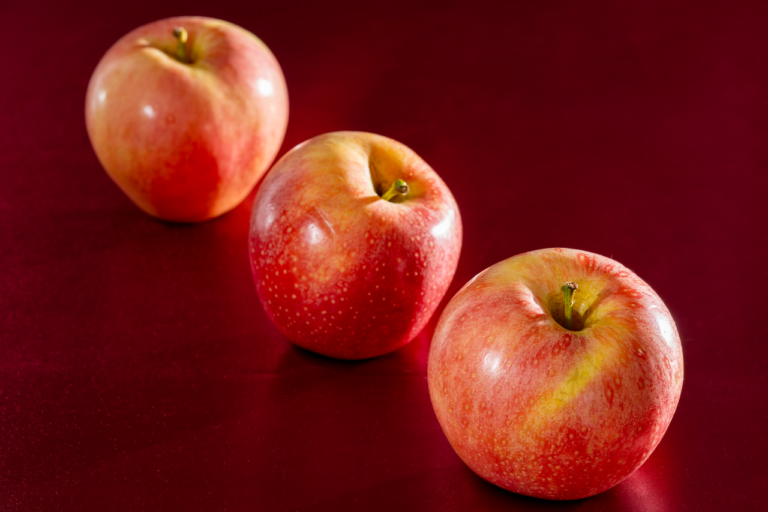
Apples and pears provide water, fiber, and naturally occurring plant compounds. Their fiber can contribute to overall soluble fiber intake, which is relevant to cholesterol management. Eating whole fruit is also a practical way to increase fruit consumption without relying on sugary desserts or highly processed snacks. [2][3]
These fruits are easy to carry and require little preparation. They can be eaten as snacks, added to oatmeal, or combined with plain yogurt.
How to Include Apples and Pears
- Eat a washed apple with its skin if you tolerate it.
- Slice a pear into a fruit salad.
- Add chopped apple to plain oatmeal.
- Pair fruit with a small portion of nuts.
- Choose whole fruit more often than fruit juice.
Apples and pears are not medicines, and eating them alone will not necessarily lower an individual’s cholesterol to a target level. Their value comes from contributing fiber and fitting into a wider healthy eating pattern.Eat a variety of fruits rather than relying on only one type. Beans, oats, vegetables, and other whole plant foods can help you obtain fiber from different sources.
5. Fatty Fish: A Source of Omega-3 Fatty Acids
Fatty fish such as sardines, salmon, trout, and mackerel provide protein and omega-3 fatty acids. Omega-3 fats can help lower blood triglyceride levels, but they should not be confused with a direct substitute for treatments that lower LDL cholesterol. [6]
Fish can support cardiovascular health when included in a balanced eating pattern, particularly when it replaces some foods high in saturated fat.
Which Fish Can You Choose?
Examples include:
- Sardines
- Salmon
- Trout
- Mackerel
- Other suitable oily fish available locally
If you do not eat fish, you can obtain protein from beans, lentils, tofu, and other foods. Plant sources such as flaxseeds and walnuts also contain alpha-linolenic acid, a type of omega-3 fatty acid.
Healthy Ways to Prepare Fish
Bake, grill, or steam fish instead of regularly deep-frying it. Serve it with vegetables and whole grains to create a balanced meal. Fish oil supplements and prescription omega-3 medicines are not interchangeable. If you have high triglycerides or take cholesterol medication, consult your healthcare professional before starting supplements.
6. Olive Oil and Other Unsaturated Plant Oils
The type of fat you eat can influence your blood cholesterol levels. Replacing saturated fats with unsaturated fats can help lower LDL cholesterol. Olive oil, canola oil, and other suitable plant oils provide unsaturated fats and can be used in a heart-healthy eating pattern. [3][7]
This means that changing how you prepare food can be as important as adding new ingredients. For example, using an appropriate amount of unsaturated plant oil instead of butter or other fats high in saturated fat may improve the overall fat composition of your diet.
How to Use Healthy Oils
- Use olive oil in salad dressings.
- Choose suitable unsaturated plant oils for cooking.
- Measure oil rather than pouring large amounts automatically.
- Limit frequent use of butter and fats high in saturated fat.
- Avoid repeatedly reusing cooking oil.
No oil is calorie-free, and using large quantities can increase your total energy intake. The goal is to choose appropriate fats and portions. Focus on replacing less healthy fats rather than simply adding more oil to your meals.
Foods to Limit if You Have High Cholesterol
Adding fiber-rich foods is useful, but the foods you reduce also matter. A key dietary strategy is to limit saturated fat and replace it with unsaturated fat rather than simply adding more healthy foods on top of your existing diet. [3][7]
1. Foods High in Saturated Fat
Depending on the product and preparation, these can include fatty cuts of meat, butter, cream, and some high-fat dairy foods.
You do not necessarily need to eliminate every food in these categories. Consider portions, frequency, and suitable alternatives.
2. Foods Containing Trans Fats
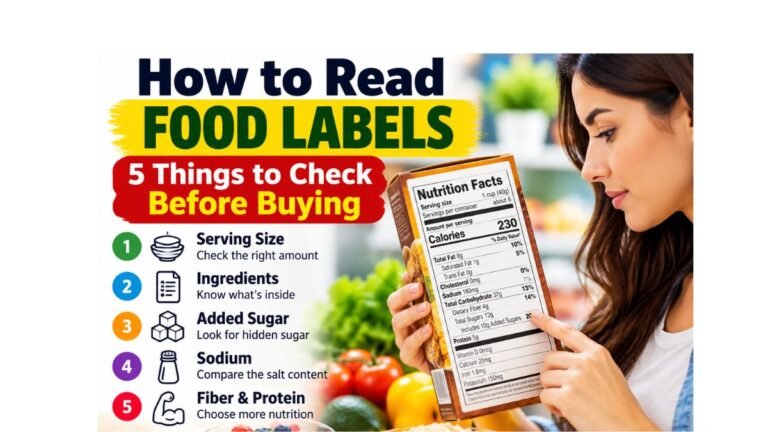
Industrially produced trans fats are associated with increased cardiovascular risk. Avoid products containing partially hydrogenated oils where they are present, and check food labels when relevant. [3]
3. Highly Processed Foods
Some packaged snacks, baked goods, and convenience foods contain substantial saturated fat, sodium, or added sugar. Their nutritional composition varies, so reading labels can help you make informed choices.
4. Excessive Alcohol
Alcohol can raise triglyceride levels in some circumstances and contributes additional calories. If you have high triglycerides, liver disease, or take certain medicines, ask your healthcare professional what level of alcohol, if any, is appropriate.
A Simple One-Day Meal Plan for Healthy Cholesterol
This sample plan illustrates how cholesterol-friendly foods can fit into an everyday diet. Portion sizes and individual requirements vary, so adjust the plan to your needs.
| Meal | Example |
| Breakfast | Oatmeal with apple slices and a small portion of nuts |
| Mid-morning snack | A pear or another whole fruit |
| Lunch | Whole grains with dal, vegetables, and a suitable protein source |
| Afternoon snack | Unsalted nuts or plain yogurt with fruit |
| Dinner | Beans, tofu, or fish with vegetables and brown rice or another whole grain |
| Drinks | Water and other suitable unsweetened drinks |
This is an example, not a medically prescribed diet. People with diabetes, kidney disease, food allergies, or other health conditions may need individualized adjustments.
Sources & References
[1] National Heart, Lung, and Blood Institute (NHLBI) — High Blood Cholesterol
[2] National Heart, Lung, and Blood Institute (NHLBI) — Therapeutic Lifestyle Changes (TLC)
[3] American Heart Association — Dietary Fats
[4] Harvard T.H. Chan School of Public Health — The Nutrition Source: Fiber
[5] Harvard T.H. Chan School of Public Health — Nuts for the Heart
[6] American Heart Association — Fish and Omega-3 Fatty Acids
[7] National Health Service (NHS) — How to Lower Your Cholesterol
[8] U.S. Food and Drug Administration (FDA) — Soy Protein and Coronary Heart Disease Health Claim
Disclaimer
This article is for general educational purposes only and does not replace medical advice, diagnosis, or treatment. If you have high cholesterol, cardiovascular disease, diabetes, kidney disease, or a family history of early heart disease, consult a qualified healthcare professional for personalized advice. Never stop prescribed medication without discussing it with your clinician.