
Introduction
Walking for weight loss is one of the simplest ways to become more physically active without needing expensive gym equipment or a complicated workout plan. Walking is accessible to most people, can be done outdoors or indoors, and can easily become part of a daily routine.
Weight loss generally depends on creating a sustainable calorie deficit while maintaining healthy eating habits and regular physical activity. Walking can contribute to this process by increasing daily energy expenditure and helping you stay active throughout the day. However, there is no single number of steps or minutes that guarantees weight loss. Your results can depend on your walking pace, body size, diet, starting activity level, sleep, and consistency.
How Does Walking Help With Weight Loss?
Walking uses energy, which means your body burns calories while you move. Increasing the amount of walking you do during the day can therefore increase your overall physical activity.
For someone who currently spends most of the day sitting, adding regular walks can make a meaningful difference in daily movement. Walking can also be easier to maintain than high-intensity exercise, especially for beginners. Another advantage is consistency. A workout that you can comfortably repeat several days per week may be more useful in the long term than an intense routine that you quickly abandon.
Walking and a Calorie Deficit
Weight loss occurs when the body uses more energy than it receives from food over time. Walking can help increase energy expenditure, but nutrition remains an important part of the equation. For this reason, walking for weight loss works best when combined with balanced meals, appropriate portion sizes, adequate sleep, and other healthy lifestyle habits.
How Much Should You Walk for Weight Loss?
There is no universal walking target that works for everyone. If you are currently inactive, start with a realistic amount and gradually increase your walking time. For example, you could begin with a 15–20 minute walk and slowly work toward longer sessions. A practical long-term goal for many adults is to accumulate around 150 minutes of moderate-intensity physical activity per week, consistent with general physical activity guidelines. Brisk walking can count as moderate-intensity activity when it raises your breathing and heart rate.
You can divide this into smaller sessions throughout the week instead of completing it all at once.
How Many Steps Should You Walk Every Day?
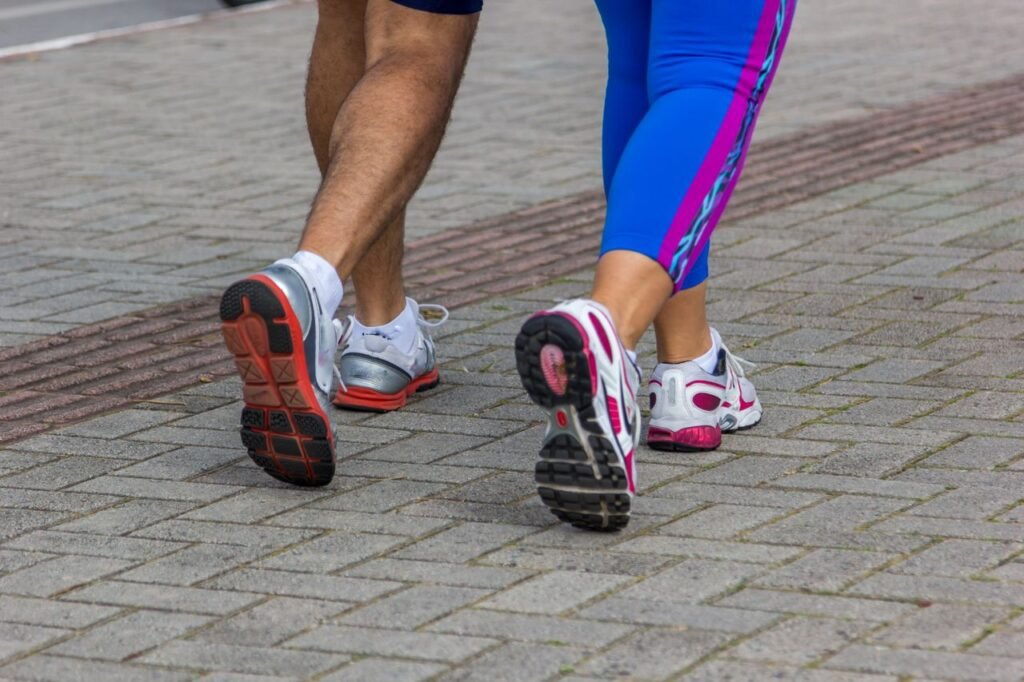
The popular 10,000 steps a day target can be a useful motivational goal, but it is not a medical requirement for weight loss. Some people may benefit from increasing their steps from 3,000 to 5,000, while others may comfortably walk 8,000, 10,000, or more steps. Instead of becoming focused on one specific number, look at your current activity level and gradually increase it.
For example:
| Current Daily Steps | Possible Next Goal |
| 3,000 steps | 4,000–5,000 |
| 5,000 steps | 6,000–7,000 |
| 7,000 steps | 8,000–9,000 |
| 9,000 steps | 10,000 |
These are examples rather than mandatory targets. Your appropriate goal depends on your fitness level, health, schedule, and comfor
How Long Should You Walk for Weight Loss?
The amount of time you need depends on your overall activity level and goals.
A beginner might start with:
15–20 minutes → 5 days per week
After building consistency, you could gradually increase to:
30 minutes → 5 days per week
More active individuals may eventually walk for 45–60 minutes or combine walking with other forms of exercise.
You don’t necessarily have to complete your entire walk in one session. A 15-minute walk in the morning and another 15-minute walk later in the day can still contribute to your total activity.
Is Brisk Walking Better for Weight Loss?
Walking at a faster pace generally requires more energy than slow walking. A brisk walk usually means walking fast enough that your breathing and heart rate increase, while you can still speak but may not be able to comfortably sing. If you are new to exercise, don’t immediately force yourself into a very fast pace. Begin comfortably and gradually increase your speed as your fitness improves.
Try This Simple Walking Pattern
- 5 minutes: comfortable warm-up
- 15–20 minutes: brisk walking
- 5 minutes: slower cool-down
This simple structure can make your walk more purposeful without turning it into an unnecessarily difficult workout.
How to Make Walking More Effective
Once regular walking becomes comfortable, there are several simple ways to increase the challenge.
1. Increase Your Pace
A faster walking pace can increase the intensity of your workout.
2. Walk for Longer
Adding another 5–10 minutes to your walk can gradually increase your total activity.
3. Use Hills
Walking uphill requires more effort than walking on flat ground. Start with gentle slopes if you are a beginner.
4. Reduce Sitting Time
Take short walking breaks during the day instead of remaining seated for several hours continuously.
5. Track Your Progress
A phone or fitness tracker can help you monitor steps, distance, and walking time. The goal isn’t to become obsessed with numbers. Tracking is simply a way to understand your habits and stay consistent.
What Is the Best Time to Walk for Weight Loss?
There is no universally proven time of day that guarantees greater weight loss. The best time to walk is generally the time you can follow consistently. Some people prefer walking in the morning because it helps establish a routine. Others enjoy an evening walk after work or a short walk after meals. If your schedule is busy, don’t wait for the “perfect” time. A consistent 20–30 minute walk is more useful than planning a one-hour walk that rarely happens.
Can Walking After Meals Help?
A short walk after a meal can be an easy way to add movement to your day. Light activity after eating may also support healthier blood sugar responses, although individual responses vary.
You don’t need to walk immediately after every meal. Even adding a short walk after one meal each day can help increase your overall activity.
For people with specific medical conditions, particularly conditions involving blood sugar or cardiovascular health, individualized advice from a healthcare professional is appropriate.
Sources
- CDC – Physical Activity Basics: https://www.cdc.gov/physical-activity-basics/
- U.S. Physical Activity Guidelines: https://health.gov/our-work/nutrition-physical-activity/physical-activity-guidelines
- American College of Sports Medicine: https://www.acsm.org/
- Mayo Clinic – Fitness: https://www.mayoclinic.org/healthy-lifestyle/fitness
- Disclaimer
- The information provided in this article is for general educational and informational purposes only. It is not intended to replace professional medical advice, diagnosis, or treatment. Before starting a new exercise program, consult a qualified healthcare professional, especially if you have a medical condition, injury, or other health concerns. Stop exercising if you experience pain, dizziness, or unusual symptoms.