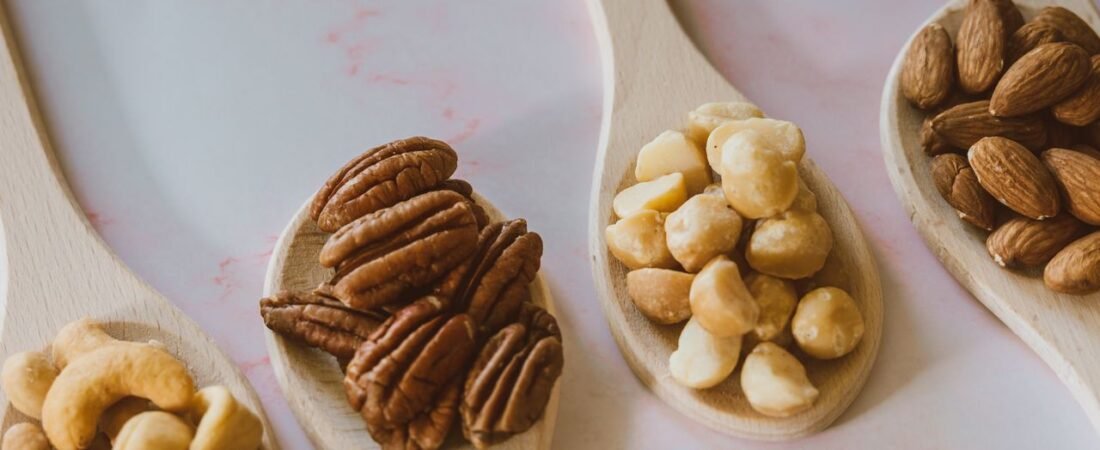
Feeling tired during the day is something almost everyone experiences occasionally. A poor night’s sleep, a busy schedule, dehydration, stress, or simply going too long without eating can all leave you feeling drained. Your food choices can also influence how consistently your body receives the energy and nutrients it needs throughout the day.
Foods that boost energy are not magic foods that instantly remove fatigue. Instead, the most useful choices tend to provide a combination of carbohydrates, protein, healthy fats, fluids, vitamins, and minerals. These nutrients help support the body’s normal energy-producing processes and can make meals more satisfying.
The way you combine foods matters, too. A meal made almost entirely of refined carbohydrates may feel energizing initially but may not keep you satisfied for very long. Pairing carbohydrates with protein, fiber, or healthy fats can create a more balanced meal and may help you maintain a steadier eating pattern.
In this guide, we’ll look at practical foods that can contribute to better everyday energy, explain what makes each one useful, and show you how to include them without relying on energy drinks, excessive caffeine, or highly processed snacks.
Important: Persistent or unexplained fatigue can sometimes be related to an underlying health issue. Nutrition can support general wellness, but it should not be used to self-treat ongoing fatigue.
What Makes Foods That Boost Energy Different?

Your body gets most of its energy from the macronutrients in food—particularly carbohydrates and fats, with protein also contributing energy when needed. But energy metabolism depends on much more than calories alone.
The body uses nutrients such as iron, magnesium, B vitamins, and other micronutrients in various physiological processes. This is one reason a varied diet is generally more useful than relying on one food marketed as an “energy booster.”
A practical energy-supporting meal often combines a carbohydrate source with protein and other nutrient-rich foods. For example, fruit paired with plain yogurt provides a different nutritional combination than eating a sugary snack on its own.
Foods That Boost Energy Should Support Your Whole Diet
Rather than asking which single food gives the biggest energy boost, think about whether your overall diet provides enough food and enough variety.
If meals are regularly skipped or portions are too small for your individual needs, even nutritious foods may not prevent tiredness. Similarly, relying heavily on ultra-processed snacks and sugary drinks may provide calories without giving your diet much nutritional variety.
Sweet Potatoes Provide Long-Lasting Carbohydrate Fuel
Sweet potatoes are a useful source of carbohydrates and can be a satisfying addition to meals. They also provide fiber and several micronutrients, including potassium and vitamin A in the form of beta-carotene.
Carbohydrates are the body’s preferred fuel for many activities, particularly higher-intensity physical activity. This does not mean all carbohydrates are equal or that you need to avoid them when trying to eat healthily. The type of carbohydrate, portion size, and overall meal composition all matter.
Sweet potatoes can be particularly useful when you want a carbohydrate source that feels substantial rather than something highly refined.
How to Include Sweet Potatoes in Energy-Supporting Meals
Try a roasted sweet potato with a protein source and vegetables. You can also cube and roast them in advance, then add them to lunch bowls throughout the week.
For an afternoon meal, sweet potato can work well alongside beans, tofu, fish, or another protein-rich food. Combining foods this way creates a meal with more nutritional variety than eating the sweet potato alone.
Oranges Combine Carbohydrates, Fluids, and Micronutrients
Oranges are naturally sweet and provide carbohydrates, water, fiber, and vitamin C. Their high water content also makes them a refreshing option when you’re looking for something light.
One reason fruit can be useful in an everyday diet is that it provides carbohydrates in a whole-food package rather than as an isolated source of added sugar. The fiber and water naturally present in whole fruit also contribute to its overall nutritional profile.
An orange is unlikely to transform your energy level instantly, but it can be a practical component of a balanced snack or meal.
Make Oranges Part of a Balanced Snack
Instead of having fruit completely on its own when you’re particularly hungry, pair it with a protein or fat source. For example, an orange with a small portion of unsalted nuts can create a more substantial snack.
You can also add orange segments to salads for natural sweetness and freshness.
Pumpkin Seeds Offer Magnesium, Protein, and Healthy Fats
Pumpkin seeds are small but nutritionally dense. They provide protein, unsaturated fats, magnesium, and other minerals.
Magnesium is involved in numerous normal processes in the body, including energy metabolism and normal muscle and nerve function. That does not mean pumpkin seeds are a treatment for fatigue, but including magnesium-containing foods can contribute to a nutritionally adequate diet.
Their combination of protein and fat also makes them useful when you want a small ingredient that adds more substance to a meal.
How to Use Pumpkin Seeds for Better Everyday Nutrition
Sprinkle a modest amount over yogurt, salads, roasted vegetables, or a grain bowl. You can also combine them with fruit as a simple snack.
Because seeds contain a relatively concentrated amount of energy, a reasonable portion is usually more practical than eating them freely from a large packet.
Edamame Provides Protein and Carbohydrates Together
Edamame, or young soybeans, is an interesting option because it provides both protein and carbohydrates while also contributing fiber and other nutrients.
This combination can make edamame useful in meals where you want more substance without relying entirely on meat or highly processed protein products. It can be served as a side dish, added to salads, or mixed into grain bowls.
Frozen edamame is particularly convenient. It can usually be stored for longer periods and prepared quickly, making it a practical ingredient for busy weekdays.
A Simple Edamame Energy Meal
Combine edamame with brown rice or another whole grain and a variety of vegetables. Add a modest amount of an unsaturated-fat dressing or sauce for flavor.
This type of meal provides several different food groups and can be much more satisfying than grabbing a sugary snack when you’re running low on energy.
If you’re interested in protein-rich food choices, you can also read our related guide: High Protein Foods: Nutritious Choices for a Healthy Diet
Beets Can Add Variety to an Energy-Supporting Diet
Beets are a naturally colorful root vegetable that provide carbohydrates and several micronutrients. They also contain naturally occurring nitrates, which have been studied in relation to blood flow and exercise performance.
This is particularly interesting for physically active people, although research findings should not be interpreted as proof that eating beets will eliminate everyday tiredness.
Beets are best considered a nutritious vegetable that can add variety to your meals rather than a quick energy remedy.
How to Eat Beets Without Complicated Recipes
Roasted beets can be added to salads or grain bowls. You can also combine them with leafy vegetables, a protein source, and a whole grain for a more complete meal.
If you buy prepared or canned beets, check the label for added sodium and other ingredients.
Dates Provide a Convenient Source of Carbohydrates
Dates are naturally sweet fruits that contain carbohydrates and can provide a concentrated source of energy in a relatively small serving.
This makes them particularly convenient around physical activity, when some people want an easily digestible carbohydrate source. However, because dates are concentrated, portion size matters.
Eating a large amount can provide considerably more calories than expected, so a small serving is usually enough for a snack.
Pair Dates With Other Nutrient-Rich Foods
Dates can be combined with a small amount of nut butter or nuts for a snack containing both carbohydrates and fat.
They can also be chopped into oatmeal or mixed into homemade energy bites. The key is to use them as part of an overall balanced diet rather than treating them as a replacement for regular meals.
Plain Yogurt Provides Protein Along With Other Nutrients
Plain yogurt can be a convenient food when you want protein without preparing a complicated meal. Depending on the type, yogurt may also provide calcium and other nutrients.
Choosing plain yogurt gives you more control over sweetness. You can add fruit yourself instead of relying on a heavily sweetened flavored product.
This can be especially useful for snacks because protein may help make the food more satisfying.
Build a Better Yogurt Snack
Combine plain yogurt with fruit and a modest amount of pumpkin seeds. This creates a snack containing protein, carbohydrates, fiber, and healthy fats.
It is a simple example of an important principle: the combination of foods can matter as much as the individual ingredients.
Foods That Boost Energy: Quick Comparison
| Food | Key Nutritional Feature | Practical Use |
|---|---|---|
| Sweet potatoes | Carbohydrates, fiber, beta-carotene | Lunch or dinner |
| Oranges | Water, carbohydrates, vitamin C | Snack or salad |
| Pumpkin seeds | Magnesium, protein, unsaturated fats | Topping or snack |
| Edamame | Protein, carbohydrates, fiber | Bowl or side dish |
| Beets | Carbohydrates and naturally occurring nitrates | Salad or dinner |
| Dates | Concentrated carbohydrates | Small snack |
| Plain yogurt | Protein and calcium | Breakfast or snack |
How to Combine Foods for More Steady Energy
One of the biggest mistakes people make when they feel tired is reaching for the quickest available source of sugar. A sweet drink or candy may provide a rapid source of carbohydrate, but it does not necessarily create a balanced meal.
A better strategy is to combine different types of food.
For example:
Carbohydrate + Protein + Fiber
An orange with plain yogurt provides fruit and protein.
Carbohydrate + Healthy Fat
A small serving of dates with nuts provides a combination of carbohydrates and fat.
Protein + Carbohydrate + Vegetables
Edamame with a whole grain and vegetables creates a more complete meal.
There is no perfect formula that everyone needs to follow. These combinations are simply practical examples of how to make meals more nutritionally balanced.
Hydration Matters When You Feel Low on Energy
Food is not the only factor to consider when you’re feeling tired. Not drinking enough fluids can contribute to dehydration, and dehydration can be associated with symptoms such as tiredness and reduced concentration.
Water should generally be your primary source of hydration, although fluid needs vary based on body size, physical activity, climate, diet, and other factors.
If you spend time outdoors in hot weather or exercise regularly, your fluid requirements may be higher.
For a deeper look at hydration, you can read your existing article: Benefits of Drinking Water and Staying Properly Hydrated
Foods That Boost Energy Are Only One Part of the Picture
If you’re consistently exhausted despite eating well, adding more “energy foods” may not solve the underlying problem.
Sleep is one of the first things worth reviewing. Adults generally need adequate, regular sleep, and poor sleep can strongly affect daytime alertness.
Physical activity, stress, hydration, meal timing, caffeine intake, and certain medical conditions can also influence how energetic you feel.
This is why nutrition should be viewed as one part of a larger lifestyle rather than a quick solution for unexplained fatigue.
What Can Make You Feel More Tired During the Day?
Skipping Meals
Going for very long periods without eating can leave some people feeling distracted, hungry, or low on energy. If this happens regularly, a more consistent meal pattern may be worth trying.
Excessive Caffeine
Caffeine can temporarily increase alertness, but relying on large amounts throughout the day can interfere with sleep, particularly when consumed later in the afternoon or evening.
Highly Sugary Drinks
Sugary drinks can provide a substantial amount of sugar without much nutritional variety. Water, milk, or other appropriate beverages can often be more useful everyday choices.
Very Heavy Meals
Large meals can leave some people feeling sluggish, particularly if they are high in fat and eaten during the middle of a busy workday.
A moderate, balanced meal may feel more comfortable.
How to Build an Energy-Supporting Daily Eating Pattern
You do not need to completely redesign your diet. Start with a few practical habits.
At breakfast, include a source of protein and carbohydrates rather than relying entirely on a sweetened drink or pastry.
At lunch, combine a protein source with vegetables and a satisfying carbohydrate.
For snacks, choose combinations such as fruit and yogurt or a modest portion of nuts and fruit.
At dinner, aim for a balanced plate rather than making the meal extremely restrictive.
This approach gives your body a more consistent supply of food and nutrients throughout the day.
When Persistent Fatigue Needs Medical Attention
Occasional tiredness is normal. Persistent or unexplained fatigue is different.
If fatigue continues despite getting adequate sleep and eating reasonably well, it may be worth discussing it with a healthcare professional. Conditions such as anemia, thyroid problems, sleep disorders, infections, medication effects, and other health issues can contribute to persistent tiredness.
It is especially important not to assume that fatigue automatically means you need more iron, vitamin B12, or another supplement. Testing and professional evaluation can help determine whether a deficiency or another condition is actually present.
Frequently Asked Questions About Foods That Boost Energy
What are the best foods that boost energy?
There is no single best food for everyone. Foods such as sweet potatoes, oranges, pumpkin seeds, edamame, beets, dates, and plain yogurt can contribute useful nutrients to a balanced diet.
What should I eat when I feel tired?
A balanced snack containing carbohydrates and protein can be a practical choice. For example, fruit with plain yogurt or a small portion of dates with nuts can provide several nutrients without relying entirely on sugary foods.
Do foods that boost energy work immediately?
Not necessarily. Food provides nutrients and energy, but it is not a stimulant in the same way caffeine is. If you regularly feel tired, look at sleep, hydration, meal patterns, activity, and overall health rather than expecting one food to provide an immediate solution.
Can dehydration make you feel tired?
Yes. Inadequate fluid intake can contribute to dehydration, which may be associated with fatigue and other symptoms. Individual fluid requirements vary.
Should I use energy drinks when I feel tired?
Energy drinks can contain substantial amounts of caffeine and added sugar. They may temporarily increase alertness, but they should not replace adequate sleep, balanced meals, and appropriate hydration.
Sources & References
Centers for Disease Control and Prevention (CDC)
About Sleep and Sleep Health
https://www.cdc.gov/sleep/
National Institutes of Health – Office of Dietary Supplements
Magnesium – Fact Sheet for Consumers
https://ods.od.nih.gov/factsheets/Magnesium-Consumer/
National Institute on Aging
Healthy Eating
https://www.nia.nih.gov/health/healthy-eating
U.S. Department of Agriculture
MyPlate – Healthy Eating
https://www.myplate.gov/
MedlinePlus
Fatigue
https://medlineplus.gov/ency/article/003088.htm
Disclaimer
This article is for general informational purposes only and is not a substitute for professional medical advice. Consult a qualified healthcare professional for personalized guidance.