
Choosing the right foods for gut health can support healthy digestion and help nourish the diverse community of microorganisms living in the digestive tract. A balanced diet that includes fiber-rich plant foods and fermented foods may contribute to a healthier gut microbiome and overall well-being. Your digestive system does much more than simply process the food you eat. Inside the digestive tract lives a vast community of microorganisms, often called the gut microbiome. These bacteria and other microbes interact with the food you eat and can influence digestion, the production of certain nutrients, and other aspects of health.
One of the most practical ways to support this ecosystem is through your everyday diet. You do not need a complicated cleanse or an expensive supplement routine to start making positive changes. Regularly eating a variety of fiber-rich plant foods and fermented foods can help create a more supportive environment for beneficial gut microbes.
The best foods for gut health are not limited to one “superfood.” Different foods provide different types of fiber, resistant starch, and other compounds that can help nourish the microorganisms living in your digestive tract.
In this guide, you’ll learn about 12 foods that can fit into a gut-friendly eating pattern, why they may be useful, and simple ways to include them in your meals.
Key Takeaways
- A diverse diet rich in plant foods can help support a healthy gut microbiome.
- Fermented foods may provide beneficial live microorganisms, although products vary.
- Prebiotic fibers can serve as fuel for certain beneficial gut bacteria.
- Gradually increasing fiber may be more comfortable than making a sudden large change.
- There is no single perfect food for everyone; individual tolerance matters.
What Makes a Food Good for Gut Health?

A gut-friendly diet generally includes foods that provide substances your digestive microbes can use. Dietary fiber is especially important because some types pass through the upper digestive tract without being fully digested.
When certain fibers reach the large intestine, gut microorganisms can ferment them. This process can produce compounds called short-chain fatty acids, which are involved in supporting the environment of the colon.
Fermented foods work somewhat differently. Depending on the product, they may contain live microorganisms produced during fermentation. Research into fermented foods and the microbiome is continuing, and not every fermented product contains the same microorganisms or amount of live cultures.
Variety also matters. Eating many different types of plant foods can provide different fibers and nutrients. Rather than relying on one food every day, it can be helpful to rotate fruits, vegetables, legumes, whole grains, nuts, seeds, herbs, and fermented foods. [1]
1. Yogurt
Yogurt is one of the most familiar fermented foods. Some yogurts contain live and active cultures, which are microorganisms used during the fermentation process.
For people who tolerate dairy, plain yogurt can be an easy addition to breakfast, snacks, or savory meals. However, not every yogurt product contains the same live cultures, so checking the label can be useful.
Choose options with little or no added sugar when possible. Sweetened desserts marketed as yogurt can contain substantial amounts of added sugar while offering less nutritional value than plain varieties.
Easy ways to eat yogurt
- Add fresh berries and chopped nuts.
- Use plain yogurt as a base for a savory dip.
- Add it to smoothies.
- Serve it with oats and fruit.
- Use it as a topping for baked vegetables.
Tip: If dairy causes digestive symptoms, discuss suitable alternatives with a healthcare professional. A plant-based yogurt may have different cultures and nutritional properties.
2. Kefir
Kefir is another fermented food, traditionally made by fermenting milk with a mixture of microorganisms. It has a thinner consistency than yogurt and a tangy flavor.
Kefir can be a convenient choice for people who enjoy fermented dairy products. Like other fermented foods, the exact microorganisms present can vary by product and production method.
Look for a plain variety if you want to limit added sugars. You can drink it on its own or combine it with other nutritious ingredients.
Try kefir in these ways
- Blend it with berries for a quick breakfast.
- Use it in a smoothie.
- Mix it with oats for an overnight breakfast.
- Add herbs and use it as a dressing base.
Start with a small serving if fermented foods are new to your diet, especially if you have a sensitive digestive system.
3. Oats
Oats are a versatile whole grain and a source of soluble fiber, including beta-glucan. They are easy to include in everyday meals and can work well as part of a fiber-rich eating pattern.
The natural fiber in oats may also provide material for microorganisms in the gut to ferment. Steel-cut oats, rolled oats, and traditional oat preparations can all be useful options.
Instead of relying on heavily sweetened instant oatmeal, try building your own bowl with whole ingredients.
A simple gut-friendly oatmeal bowl
Combine:
- Plain oats
- Milk or a suitable alternative
- Berries or sliced banana
- Ground flaxseed
- Chopped walnuts or almonds
This creates a meal containing several types of plant foods rather than relying on a single ingredient.
4. Bananas
Bananas are convenient, affordable, and easy to eat without preparation. They also contain fiber, and less-ripe bananas contain more resistant starch than very ripe bananas.
Resistant starch is named because it resists digestion in the small intestine. It can reach the large intestine, where it may be used by certain gut microorganisms.
You do not need to eat green bananas if you dislike them. Slightly firm bananas can be incorporated into smoothies, oatmeal, or snacks.
Simple serving ideas
- Slice a banana over oatmeal.
- Pair one with peanut or almond butter.
- Add it to a smoothie.
- Freeze sliced bananas for a cold snack.
Bananas can be particularly useful because they are easy to combine with protein and healthy fats, creating a more satisfying snack.
5. Garlic
Garlic is more than a flavoring ingredient. It contains compounds and carbohydrates that can be used by certain microorganisms in the gut.
Adding garlic to meals is an easy way to increase flavor without relying heavily on salt or highly processed sauces. Both fresh and cooked garlic can be part of a varied diet.
Add garlic to:
- Soups
- Lentil dishes
- Roasted vegetables
- Stir-fries
- Whole-grain pasta dishes
- Homemade salad dressings
Some people with certain digestive conditions may find garlic difficult to tolerate because it contains fermentable carbohydrates. If garlic consistently causes symptoms, it may be worth discussing your diet with a registered dietitian.
6. Onions
Onions contain naturally occurring fibers and compounds that can contribute to a varied, plant-rich diet. Like garlic, they can add substantial flavor to meals without requiring complicated preparation.
Different varieties can be used in different ways. Red onions work well in salads, while yellow or white onions are useful in soups, sauces, and cooked meals.
Easy ways to use onions
- Add them to vegetable soups.
- Include them in bean dishes.
- Roast them with other vegetables.
- Use them in omelets.
- Add thinly sliced onions to salads.
If raw onions feel too strong or cause discomfort, cooked onions may be easier for some people to tolerate.
7. Lentils
Lentils are an excellent addition to a gut-friendly eating pattern because they provide fiber, plant protein, and other nutrients. They are also versatile and generally inexpensive.
Because legumes contain fermentable carbohydrates, suddenly eating large amounts may lead to gas or bloating in some people. This does not necessarily mean lentils are unhealthy. A gradual increase often gives the digestive system time to adapt.
Ways to add lentils to meals
- Make lentil soup.
- Add cooked lentils to salads.
- Use them in a vegetable curry.
- Mix them into grain bowls.
- Prepare a simple lentil stew.
Canned lentils can be convenient. Rinsing canned legumes may also help reduce some of the compounds associated with digestive discomfort.
8. Chickpeas
Chickpeas provide fiber and plant protein and can be used in everything from salads to warm meals. Their mild flavor makes them easy to combine with vegetables, herbs, and whole grains.
Regularly including legumes such as chickpeas, beans, and lentils is one practical way to increase the variety of plant foods in your diet.
Try chickpeas in:
- Mediterranean-style salads
- Vegetable curries
- Homemade hummus
- Roasted snacks
- Grain bowls
If you’re increasing your intake of high-fiber foods, remember to make changes gradually and drink adequate fluids.
9. Apples
Apples provide dietary fiber [2] and are an easy fruit to include in snacks and meals. Eating a variety of fruits rather than depending on only one type can help create a broader range of nutrients and fibers in your overall diet.
The skin contains fiber, so washing an apple and eating it with the peel is one simple option when appropriate.
Simple combinations
- Apple slices with peanut butter
- Chopped apple in oatmeal
- Apple with plain yogurt
- Sliced apple with a handful of nuts
A balanced snack that combines fruit with protein or fat may also feel more filling than fruit alone.
10. Ground Flaxseed
Flaxseed is a small seed that provides fiber and other nutrients. Ground flaxseed is often easier to incorporate into meals than whole seeds.
You don’t need a large amount. A spoonful can easily be mixed into foods you already eat.
Add ground flaxseed to:
- Oatmeal
- Smoothies
- Plain yogurt
- Homemade muffins
- Overnight oats
Store flaxseed appropriately according to package instructions to help preserve its quality.
11. Asparagus
Asparagus is a vegetable that can add both variety and fiber to your diet. It works well roasted, grilled, steamed, or added to other dishes.
A varied vegetable intake is generally more useful than repeatedly eating only one vegetable. Try rotating asparagus with broccoli, leafy greens, carrots, Brussels sprouts, and other vegetables throughout the week.
A simple preparation
Toss asparagus with a small amount of olive oil and seasoning, then roast until tender. Serve it alongside a protein source and a whole grain or starchy vegetable.
Simple meals can still provide a wide variety of nutrients when they include different food groups.
12. Sauerkraut or Kimchi
Sauerkraut and kimchi are fermented vegetables that can add variety and flavor to meals. Depending on how they are produced and processed, fermented foods may contain live microorganisms.
However, there is an important difference between products. Some commercially prepared fermented foods are pasteurized, which can affect live microorganisms. Labels may provide useful information about storage and live cultures.
These foods can also be high in sodium, so portion size matters.
Ways to enjoy fermented vegetables
- Add a small serving alongside a grain bowl.
- Use sauerkraut as a sandwich topping.
- Serve kimchi with rice and vegetables.
- Add a small amount to a savory meal for extra flavor.
If fermented foods are new to you, begin with a small amount and pay attention to how you feel.
Quick Comparison of These Foods
| Food | Main Gut-Friendly Feature | Easy Way to Eat It |
|---|---|---|
| Yogurt | Fermented food with cultures | Breakfast or snack |
| Kefir | Fermented drink | Smoothie |
| Oats | Soluble fiber | Oatmeal |
| Bananas | Fiber and resistant starch | Snack or smoothie |
| Garlic | Fermentable compounds | Soups and cooked meals |
| Onions | Naturally occurring fibers | Salads and cooked dishes |
| Lentils | Fiber and plant protein | Soup or curry |
| Chickpeas | Fiber-rich legume | Salad or hummus |
| Apples | Dietary fiber | Snack with nut butter |
| Ground flaxseed | Fiber | Oats or yogurt |
| Asparagus | Vegetable fiber | Roasted side dish |
| Sauerkraut or kimchi | Fermented vegetables | Small serving with meals |
How to Add More Foods for Gut Health Without Overdoing It

Adding a large amount of fiber to your diet overnight may not feel comfortable. Some people experience gas, bloating, or changes in bowel habits when they make sudden dietary changes.
A gradual approach is often more practical.
Week-by-week approach
Start with one change.
For example, add oats to breakfast three times a week.
Add more plant variety.
Once that becomes a habit, introduce a new vegetable, legume, fruit, or seed.
Include fermented foods if tolerated.
Start with a small serving rather than changing your entire diet at once.
Drink enough fluids.
Fiber works differently depending on fluid intake, so maintaining regular hydration is important.
Pay attention to your individual response.
A food that works well for one person may not work the same way for another.
This gradual approach can make healthy changes easier to maintain.
Why Variety Matters for the Gut Microbiome
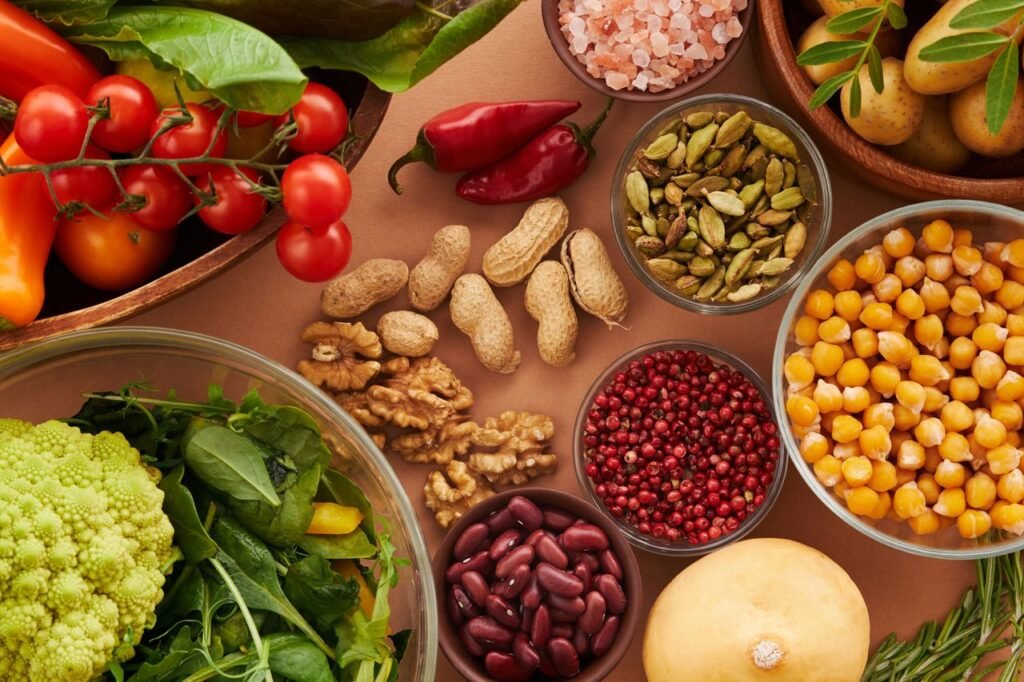
It is tempting to search for one “best” food and eat it every day. In reality, a diverse eating pattern is likely more useful than depending on a single ingredient.
Different plant foods contain different types of fibers and naturally occurring compounds. By eating a broader range of foods, you provide more dietary variety.
A practical goal is not perfection. Instead, aim to include different plant foods throughout the week.
For example:
Breakfast: Oats, berries, banana, and ground flaxseed.
Lunch: Chickpea salad with mixed vegetables and onions.
Dinner: Lentils with whole grains and roasted asparagus.
Snack: Apple with nuts or plain yogurt.
This type of pattern naturally creates more variety without requiring complicated recipes.
What About Probiotic Supplements?
Food and supplements are not exactly the same. Different probiotic products contain different strains and amounts of microorganisms, and their effects can vary depending on the person and the specific product.
A supplement is not automatically necessary simply because you want to support gut health. For many people, building a balanced eating pattern that includes a variety of fiber-rich foods is a practical starting point.
If you have a diagnosed digestive condition, are immunocompromised, or are considering supplements for specific symptoms, speak with a qualified healthcare professional.
Foods for Gut Health: Common Mistakes to Avoid

Trying to change everything in one day
Adding multiple high-fiber foods all at once can make it difficult to know what your body tolerates.
Eating the same “healthy” foods repeatedly
Nutritional variety matters. Rotate your fruits, vegetables, legumes, grains, nuts, and seeds.
Ignoring added sugar
A product being marketed as “healthy” does not automatically make it a good everyday choice. Check labels, particularly for flavored yogurts and heavily processed snack products.
Relying only on supplements
Supplements cannot fully replace the nutritional variety found in whole foods.
Ignoring persistent symptoms
Frequent abdominal pain, unexplained weight loss, blood in the stool, severe diarrhea, or other persistent symptoms should be evaluated by a healthcare professional.
When to Talk to a Healthcare Professional

Diet changes can be helpful for general wellness, but persistent digestive symptoms should not be self-diagnosed.
Consider seeking medical advice if you have:
- Persistent or severe abdominal pain
- Blood in the stool
- Unexplained weight loss
- Ongoing diarrhea or constipation
- Significant bloating that does not improve
- Symptoms that interfere with daily life
People with conditions such as inflammatory bowel disease, irritable bowel syndrome, celiac disease, or other diagnosed digestive disorders may need individualized dietary advice.
The best foods for gut health are usually part of an overall eating pattern rather than a single miracle ingredient. Fermented foods, whole grains, fruits, vegetables, legumes, nuts, and seeds can all contribute useful nutrients and dietary fibers.
You also do not need to eat all 12 foods every day. Start with the foods you already enjoy and gradually add more variety over time.
A bowl of oats at breakfast, lentils at lunch, vegetables with dinner, and yogurt or fruit as a snack can be a simple starting point. Small, consistent changes are usually easier to maintain than an extreme diet overhaul.
If a particular food causes ongoing discomfort, pay attention to that response and consider discussing it with a registered dietitian or healthcare professional.
Frequently Asked Questions
What are the best foods for gut health?
There is no single best food for everyone. A varied diet that includes fiber-rich fruits, vegetables, legumes, whole grains, nuts, seeds, and fermented foods can support a healthy eating pattern and provide different nutrients for the gut microbiome.
Is yogurt good for gut health?
Some yogurts contain live and active cultures produced during fermentation. Plain yogurt can be a nutritious option for people who tolerate dairy, although the cultures and ingredients vary between products.
Are bananas good for digestion?
Bananas contain dietary fiber, and less-ripe bananas contain more resistant starch than very ripe bananas. They can be a convenient part of a balanced diet.
How quickly can diet changes affect the gut microbiome?
Research shows that the gut microbiome can respond to dietary changes, but the exact response and timing vary between individuals. Long-term dietary habits are important.
Should I eat fermented foods every day?
There is no universal requirement to eat fermented foods every day. If you enjoy and tolerate them, they can be included as part of a varied diet. Portion size and individual tolerance matter.
Source References
- National Institute of Diabetes and Digestive and Kidney Diseases (NIDDK). Your Digestive System & How It Works.
https://www.niddk.nih.gov/health-information/digestive-diseases/digestive-system-how-it-works - Harvard T.H. Chan School of Public Health. The Microbiome.
https://nutritionsource.hsph.harvard.edu/microbiome/ - National Institutes of Health, National Center for Complementary and Integrative Health (NCCIH). Probiotics: What You Need To Know.
https://www.nccih.nih.gov/health/probiotics-what-you-need-to-know - American Gastroenterological Association. Fiber and Digestive Health Resources.
https://gastro.org/ - USDA FoodData Central. Nutrition Information for Foods and Ingredients.
https://fdc.nal.usda.gov/ - Wastyk HC, et al. Gut-microbiota-targeted diets modulate human immune status. Cell. 2021.
https://pubmed.ncbi.nlm.nih.gov/34256014/
Disclaimer
This article is for informational and educational purposes only and is not intended as medical advice, diagnosis, or treatment. Individual health needs can vary. If you have a medical condition, take prescription medications, are pregnant or breastfeeding, or have concerns about your health, consult a qualified healthcare professional before making significant changes to your diet or lifestyle.