By HealthNovaPlus Editorial Team
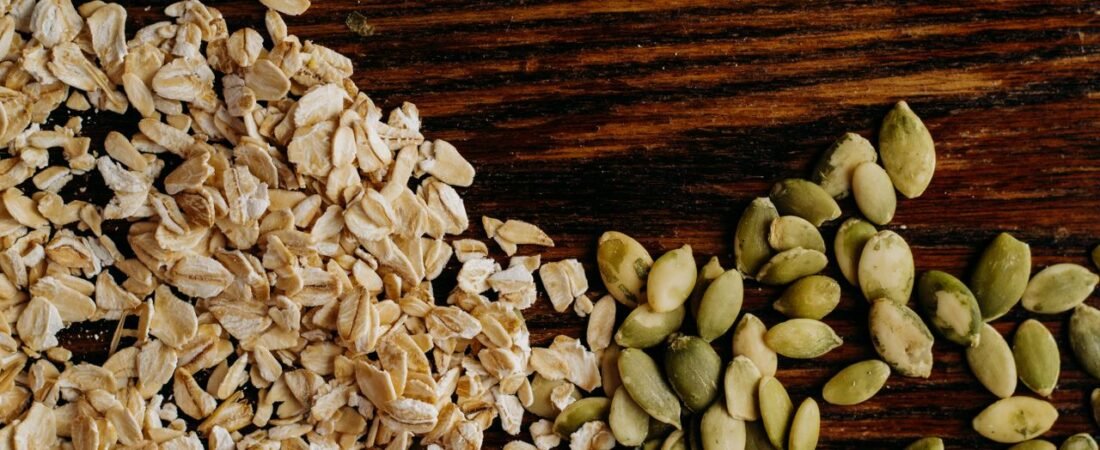
Dietary fiber is one of the nutrients many people do not get enough of, even though it plays an important role in a balanced eating pattern. Fiber is found mainly in plant foods, including fruits, vegetables, legumes, whole grains, nuts, and seeds. Unlike some other carbohydrates, fiber is not fully broken down and absorbed in the small intestine. Instead, different types of fiber can affect digestion, bowel habits, and other aspects of health in different ways. Adding more fiber to your diet does not require a dramatic change in the way you eat. Small choices—such as choosing a pear instead of a low-fiber snack, adding beans to a meal, or replacing refined grains with whole grains—can gradually increase your intake.
The key is to make changes slowly and consistently. Eating a large amount of fiber suddenly can cause gas, bloating, or abdominal discomfort in some people, especially if their usual diet is low in fiber. Drinking enough fluids and increasing fiber gradually can make the transition easier. The following high-fiber foods are practical options that can fit into everyday meals and snacks while also adding a variety of nutrients to your overall diet.
Key Takeaways
- High-fiber foods can help you build a more nutritious and satisfying eating pattern.
- Fruits, vegetables, legumes, and whole grains are among the main sources of dietary fiber.
- Increasing fiber gradually may be more comfortable than making a sudden, large change.
- Drinking adequate fluids is important when increasing your fiber intake.
- Different high-fiber foods provide different nutrients, so variety matters.
What Is Dietary Fiber?
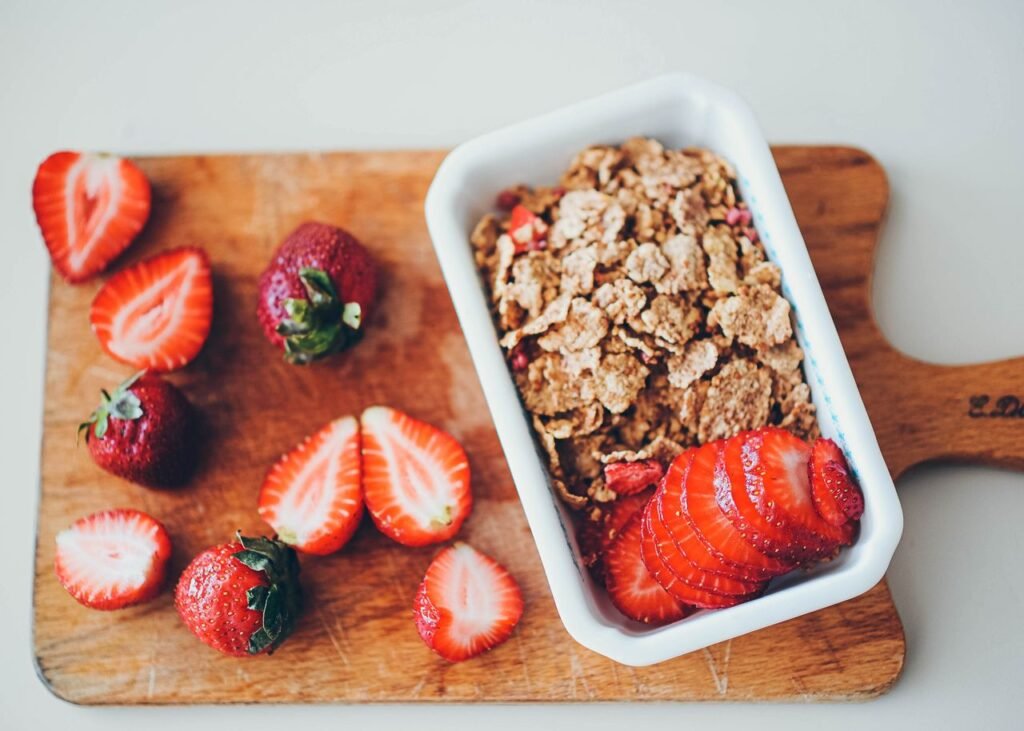
Dietary fiber is a type of carbohydrate naturally found in plant foods. It is often grouped into categories based on properties such as whether it dissolves in water or is fermented by bacteria in the large intestine. In practice, you do not need to memorize complicated fiber categories to benefit from it. What matters most for everyday eating is including a variety of fiber-containing foods.
Some types of fiber can add bulk to stool and support regular bowel movements. Other types can form a gel-like consistency in the digestive tract or be fermented by microorganisms in the gut. Because different plant foods contain different types and amounts of fiber, eating a wide variety of fruits, vegetables, legumes, and whole grains is generally more useful than relying on a single “high-fiber” product.
Why Is Fiber Important for a Healthy Diet?
Fiber-rich foods can make meals more filling and often bring other nutrients with them. For example, a pear provides fiber along with water and naturally occurring nutrients, while black beans provide fiber together with plant-based protein and several minerals. Whole grains can provide fiber along with carbohydrates and micronutrients. This is one reason whole foods are usually a useful starting point when trying to increase fiber intake.
Fiber is also associated with digestive health and regular bowel habits. However, fiber is not a cure-all. Your response to a high-fiber diet can depend on the type of fiber, the amount you eat, your fluid intake, and individual digestive health. If you have a digestive condition or have been advised to follow a specific diet, it is best to discuss major dietary changes with a qualified healthcare professional.
1. Black Beans
Black beans are one of the most practical foods to consider when you want to increase both fiber and plant-based protein. They can be used in soups, salads, grain bowls, wraps, and many traditional dishes. Their combination of fiber and protein can make meals feel more substantial than meals built primarily around refined carbohydrates.
One of the advantages of black beans is convenience. You can cook dried beans at home or use canned beans when you need a faster option. If you use canned beans, check the label for sodium and consider rinsing them before adding them to your meal. Try adding black beans to a vegetable bowl with tomatoes, whole grains, and other colorful vegetables.
Easy ways to eat black beans
- Add them to soups or stews
- Mix them into salads
- Use them in wraps or tacos
- Add them to a grain bowl
- Combine them with vegetables for a simple lunch
2. Pears
Pears are an easy, portable fruit that can contribute fiber to your daily diet. Keeping the edible skin on provides additional fiber, so washing the fruit and eating it whole is often a simple way to get more from your snack.
Because pears also contain water, they can be a refreshing choice when paired with a balanced diet. Instead of viewing fruit as something you need to restrict because of its natural sugar, focus on the whole-food context. Whole fruits provide a structure that includes fiber and other nutrients, making them different from many highly processed sweet foods.
Simple serving ideas
- Eat a fresh pear as a snack
- Slice it into a salad
- Add it to a breakfast bowl
- Pair it with a protein-rich food
3. Chia Seeds
Chia seeds are small, but they can make a meaningful contribution to fiber intake. When mixed with liquid, they absorb water and develop a gel-like texture, which is why they are commonly used in puddings and as a topping for foods.
You do not need a large serving to use chia seeds effectively. A spoonful can be added to meals and snacks without changing your routine significantly. They can be mixed into yogurt, oatmeal, smoothies, or overnight recipes.
Easy ways to use chia seeds
- Add them to yogurt
- Mix them into smoothies
- Make chia pudding
- Sprinkle them over a fruit bowl
- Add them to overnight oats
Because chia seeds absorb liquid, adequate hydration remains important as part of an overall high-fiber eating pattern.
4. Whole-Grain Bread
Whole-grain bread can be a practical everyday source of fiber, especially for people who regularly eat toast or sandwiches. The important part is choosing a bread that is genuinely made primarily from whole grains rather than relying only on marketing words on the front of the package.
Check the ingredient list and nutrition label when possible. A bread with whole-grain ingredients and a useful amount of dietary fiber can be an easy swap for highly refined white bread.
Simple ways to include whole-grain bread
- Use it for breakfast toast
- Make a vegetable sandwich
- Serve it with soup
- Use it as part of a balanced lunch
Whole-grain bread works best as part of a balanced meal rather than as the only component. Pair it with vegetables and an appropriate protein source for a more complete meal.
5. Apples
Apples are widely available, easy to store, and simple to include in everyday eating. Eating the edible skin provides additional fiber, making a whole apple a convenient choice when you want a filling snack.
One reason apples are useful is that they require almost no preparation. You can carry one to work, school, or while traveling. They can also be sliced into salads or used with a protein-rich snack.
Try these ideas
- Eat an apple with its skin
- Add apple slices to a salad
- Combine apple with a protein-rich food
- Bake apple slices with cinnamon for a simple dessert
6. Brussels Sprouts
Brussels sprouts are a cruciferous vegetable that can provide fiber along with several vitamins and plant compounds. Their flavor can vary considerably depending on how they are prepared. People who dislike boiled Brussels sprouts may find roasted or lightly sautéed versions much more enjoyable.
Roasting can give Brussels sprouts a crisp exterior and a deeper flavor, making them easier to include as a regular side dish. Pair them with a protein source and a whole-food carbohydrate for a balanced meal.
Practical preparation ideas
- Roast with a small amount of olive oil
- Add to a vegetable bowl
- Lightly sauté with herbs
- Serve alongside beans or a lean protein source
7. Barley
Barley is an underused whole grain that can add both variety and fiber to a diet. It has a chewy texture and works particularly well in soups, stews, salads, and grain-based dishes.
If your meals often include the same carbohydrate sources, barley can provide an alternative. The best diet is rarely built around eating the same few foods repeatedly. Rotating different whole grains can make meals more interesting while contributing a wider range of nutrients.
Ways to use barley
- Add cooked barley to soup
- Use it in a grain salad
- Mix it with roasted vegetables
- Serve it as a side dish
- Add it to a hearty stew
8. Raspberries
Raspberries are another fruit known for their fiber content. They can be eaten fresh or frozen, making them useful throughout the year.
Frozen raspberries are often a practical option because they can be stored for longer and added directly to smoothies, yogurt, or other recipes. Choose products without added sugar when possible.
Easy ways to eat raspberries
- Add them to yogurt
- Blend them into a smoothie
- Use frozen raspberries in a breakfast bowl
- Add them to a fruit salad
Rotating raspberries with other fruits is a simple way to increase dietary variety.
9. Edamame
Edamame consists of young soybeans and can provide both fiber and plant-based protein. They can be served as a snack, added to salads, or mixed into grain bowls.
For people trying to make meals more satisfying, combining fiber-containing foods with protein-rich foods can be useful. Edamame naturally provides both, making it a convenient ingredient for plant-forward meals.
Simple ways to use edamame
- Steam and lightly season it as a snack
- Add it to salads
- Mix it into a grain bowl
- Combine it with vegetables
- Add it to a stir-fry
10. Popcorn
Plain air-popped popcorn is a whole-grain snack that can contribute fiber. However, preparation matters. Popcorn heavily coated with butter, sugar, or large amounts of salt can have a very different nutritional profile from plain or lightly seasoned popcorn.
For a simple snack, air-popped popcorn can be flavored with herbs or spices. The goal is not to label every food as “good” or “bad,” but to pay attention to the overall pattern and how frequently heavily processed snack foods appear in your diet.
A simple approach
Choose plain or lightly seasoned popcorn when possible and pay attention to portion size.
How to Add More Fiber to Your Diet Without Overdoing It
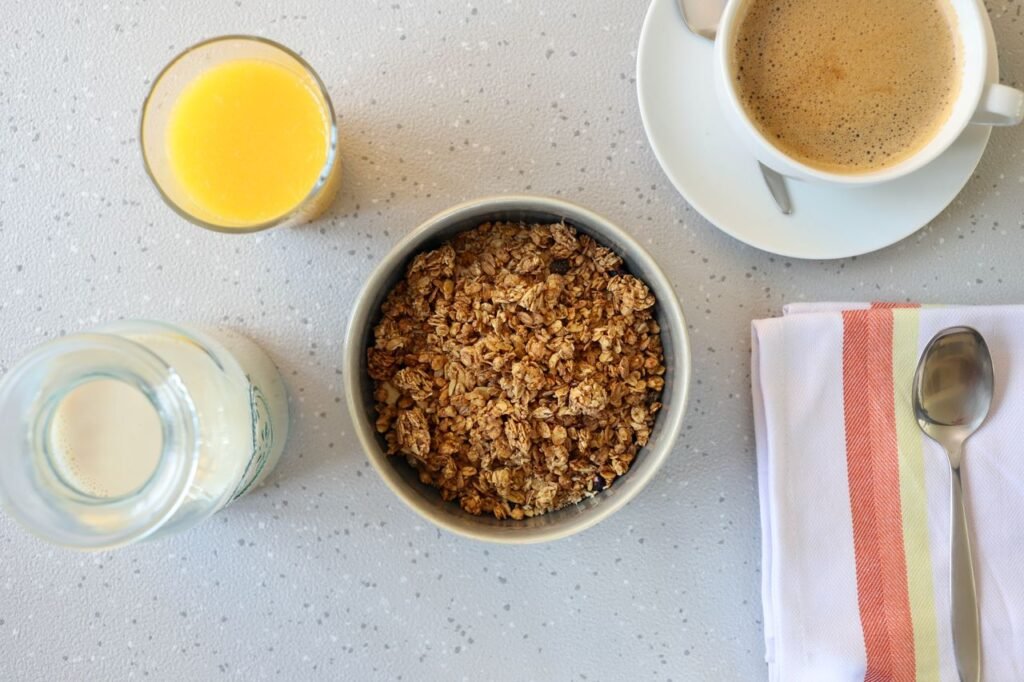
One of the biggest mistakes people make is trying to dramatically increase fiber overnight. If your current diet contains relatively little fiber, suddenly adding several high-fiber foods at every meal may lead to uncomfortable digestive symptoms.
Instead, make one or two changes at a time. For example, start by adding a piece of fruit to your daily routine. A few days later, replace one refined-grain food with a whole-grain option. Then try adding beans to one or two meals each week.
This gradual approach gives your body time to adjust.
A simple progression
Week 1: Add one whole fruit each day.
Week 2: Add legumes to two meals.
Week 3: Choose more whole-grain foods.
Week 4: Increase the variety of vegetables.
You don’t have to follow this exact schedule. The point is to make changes gradually and consistently.
Drinking Enough Water When Increasing Fiber

Fiber and fluids often work together in a healthy eating pattern. If you are increasing your fiber intake, drinking adequate fluids is important.
This does not mean you need to force large amounts of water at once. Instead, maintain regular hydration throughout the day and adjust your fluid intake based on factors such as activity, climate, and individual needs.
Related Reading: Benefits of Drinking Enough Water Every Day: How Proper Hydration Supports Your Body and Mind
You can replace # with your actual published article URL.
Common Mistakes When Eating More High-Fiber Foods
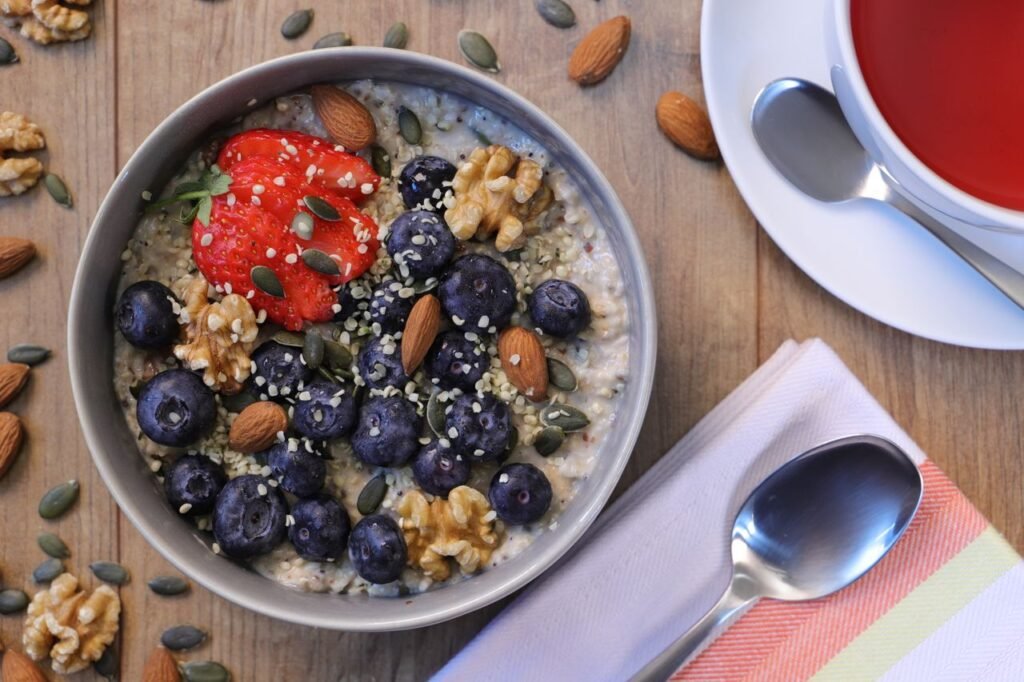
Increasing Fiber Too Quickly
A sudden increase may cause bloating, gas, or discomfort. Gradual changes are often easier to tolerate.
Drinking Too Little
A high-fiber diet without adequate fluids may not feel comfortable for some people. Maintain regular hydration.
Relying on Only One Food
Eating one food repeatedly is not the best strategy. Variety provides different nutrients and types of fiber.
Choosing “High-Fiber” Processed Foods Over Whole Foods
Some packaged foods contain added fiber but may also be high in sugar or heavily processed. Whole plant foods are often a useful foundation.
Ignoring Individual Digestive Needs
Some digestive conditions may require individualized fiber advice. If certain foods consistently cause symptoms, speak with a qualified healthcare professional.
How Much Fiber Do You Need?
Fiber recommendations vary based on age, sex, energy needs, and individual health circumstances. Instead of becoming focused on reaching an exact number immediately, first look at the overall quality of your diet.
Ask yourself:
- Do I eat fruits regularly?
- Do I include vegetables in my meals?
- Do I eat legumes such as beans?
- Do I choose whole grains regularly?
- Am I eating a variety of plant foods?
If the answer to most of these questions is “rarely,” gradually adding more fiber-rich foods can be a useful goal.
Frequently Asked Questions
What foods are highest in fiber?
Legumes, whole grains, fruits, vegetables, nuts, and seeds can all contribute significant amounts of dietary fiber. The exact amount depends on the specific food and serving size.
Can eating more fiber help with constipation?
Fiber can support regular bowel movements for many people, particularly when combined with adequate fluid intake. However, persistent constipation or significant digestive symptoms should be evaluated by a healthcare professional.
Can you eat too much fiber?
Increasing fiber too quickly or consuming an unusually large amount can cause digestive discomfort in some people. Gradual changes are generally easier to tolerate.
Is fruit a good source of fiber?
Yes. Many whole fruits provide dietary fiber, particularly when the edible skin and natural structure of the fruit are retained.
Should I take a fiber supplement instead?
Fiber supplements may be appropriate for some people, but they do not automatically replace the broader nutritional benefits of whole plant foods. A healthcare professional can help determine whether a supplement is appropriate for you.
Final Takeaway
Adding more high-fiber foods to your diet does not require complicated recipes or a complete change in the way you eat. Simple foods such as black beans, pears, chia seeds, whole-grain bread, apples, Brussels sprouts, barley, raspberries, edamame, and plain popcorn can all contribute to a more fiber-rich eating pattern.
The best strategy is to start gradually, drink adequate fluids, and choose a variety of plant foods. Rather than focusing on one “superfood” or trying to reach a perfect number immediately, build habits that you can realistically maintain. Over time, these small choices can make your overall diet more varied, balanced, and nutrient-rich.
Sources & References
[1] U.S. Food and Drug Administration (FDA).
Dietary Fiber.
https://www.fda.gov/food/nutrition-facts-label/dietary-fiber
[2] Harvard T.H. Chan School of Public Health.
The Nutrition Source: Fiber.
https://nutritionsource.hsph.harvard.edu/carbohydrates/fiber/
[3] National Institute of Diabetes and Digestive and Kidney Diseases (NIDDK).
Eating, Diet, & Nutrition for Constipation.
https://www.niddk.nih.gov/health-information/digestive-diseases/constipation/eating-diet-nutrition
[4] Dietary Guidelines for Americans.
U.S. Departments of Agriculture and Health and Human Services.
https://www.dietaryguidelines.gov/
[5] MedlinePlus – Dietary Fiber.
U.S. National Library of Medicine.
https://medlineplus.gov/ency/article/002136.htm
Health Information Disclaimer
This article is intended for general educational purposes and is not a substitute for individualized medical or dietary advice. People with medical conditions, food allergies, pregnancy-related nutritional needs, or specific dietary requirements should consult a qualified healthcare professional or registered dietitian.