
Key Takeaways
- Calcium is essential for maintaining bones and teeth and supports normal muscle contraction, nerve function, and other body processes. [1]
- Milk, yogurt, cheese, fortified plant-based drinks, certain fish, tofu, and some vegetables can contribute calcium to your diet. [1][2]
- People who avoid dairy can obtain calcium from suitable fortified products and selected plant foods.
- The amount of calcium in a food depends on its variety, serving size, preparation, and whether it has been fortified.
- Calcium requirements differ by age and life stage, and some people may need individualized nutritional guidance. [1][3]
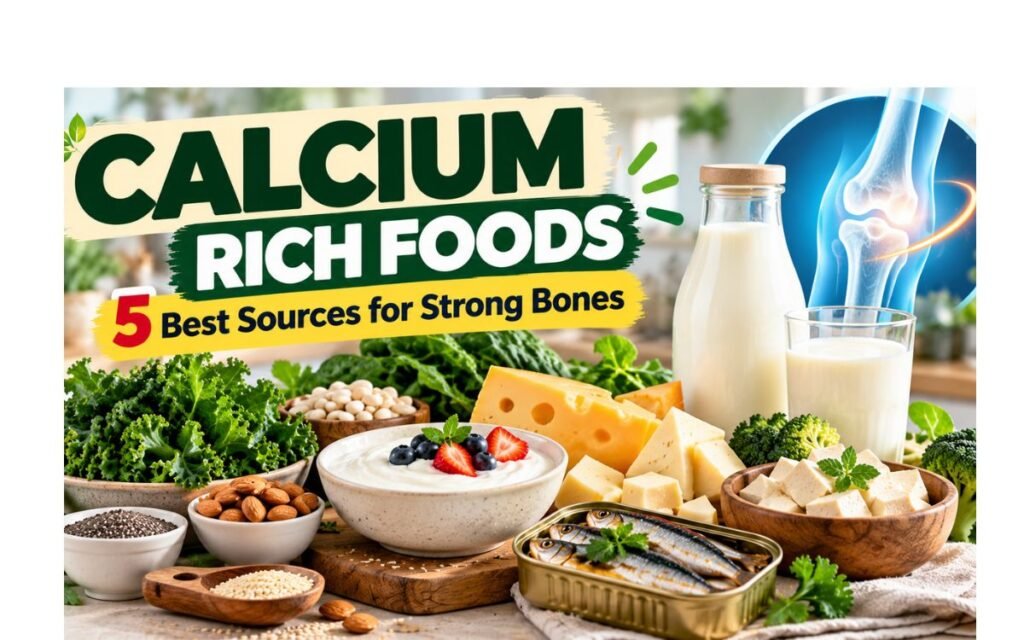
Calcium is one of the most important minerals in your diet because your body needs it to maintain strong bones and teeth. It also contributes to normal muscle contraction, nerve signalling, and other essential functions. Although calcium is often associated with milk, you do not have to depend on dairy products alone to obtain it. Several other foods can contribute calcium, making it possible to plan a varied diet according to your preferences and nutritional needs. [1]
However, not every food that contains calcium provides the same amount, and the calcium present in different foods may not be absorbed equally well. For example, fortified plant-based drinks can provide substantial calcium when the manufacturer adds it, while ordinary versions of the same products may contain much less. Certain vegetables, tofu products, and fish eaten with their bones can also be useful sources.
Understanding calcium rich foods can help you make informed choices when shopping, preparing meals, or following a vegetarian or dairy-free diet. Instead of focusing on one food, it is more useful to identify several calcium sources that you enjoy and can eat regularly. This article explains five practical food groups, how to include them in everyday meals, and what to consider when planning your calcium intake.
Why Does Your Body Need Calcium?
Calcium is the most abundant mineral in the body, and most of it is stored in bones and teeth. The body also uses calcium in the bloodstream and tissues for normal processes such as muscle contraction, nerve transmission, and blood clotting. [1]
When dietary calcium intake is insufficient over time, the body can draw on calcium stored in bones to help maintain the amount needed for other functions. Long-term inadequate intake can therefore be a concern for bone health, although bone strength also depends on factors such as vitamin D, physical activity, age, hormones, and overall nutrition. [3]
This is why a balanced eating pattern matters more than simply adding one calcium-rich food to your diet occasionally. Including a range of nutritious foods can help you obtain calcium alongside protein, vitamin D, and other nutrients that contribute to normal bone health.
1. Milk, Yogurt, and Cheese: Convenient Calcium Rich Foods
Milk, yogurt, and cheese are well-known sources of dietary calcium. They are often convenient because they can be included in breakfast, snacks, and main meals without much preparation. The amount of calcium varies according to the product and serving size, so checking the nutrition label can help when you want a more accurate estimate. [1][2]
Dairy foods can also provide protein and other nutrients. Yogurt, for example, can be eaten with fruit or oats, while milk can be used in porridge or other recipes. Cheese can contribute calcium too, although some varieties contain more sodium or saturated fat than others. The best choice depends on your overall dietary needs rather than calcium content alone.
Which Dairy Foods Can You Include?
Common options include:
- Milk: Can provide calcium and protein in a convenient form.
- Yogurt: Can contribute calcium and protein; amounts vary between products.
- Cheese: Provides calcium, although the amount and sodium content differ by variety.
- Calcium-fortified dairy products: Some products provide additional calcium, depending on their formulation.
If you tolerate dairy foods, including suitable options in your regular meals can be a straightforward way to contribute to calcium intake. However, you do not need to consume every type of dairy product, and dairy is not essential for everyone if suitable alternatives are included.
Easy Ways to Include Dairy in Everyday Meals
You could have plain yogurt with fruit, use milk in oatmeal, or include a suitable portion of cheese in a meal. If you choose flavored yogurt, compare labels because some varieties contain substantial added sugar.
2. Fortified Plant-Based Drinks: A Useful Dairy-Free Option
Fortified plant-based drinks can be useful sources of calcium for people who do not consume dairy products. Depending on the brand and country, products made from soy, oats, almonds, or other plant ingredients may have calcium added during manufacturing. However, not every plant-based drink is fortified, and the amount can differ significantly between products. [1][2]
This makes the nutrition label particularly important. A plant-based drink may look similar to another product on the shelf but provide a different amount of calcium. Some products also contain added sugar, and their protein content can vary. For example, fortified soy drinks may provide more protein than certain other plant-based beverages, although formulations differ.
How to Choose a Calcium-Fortified Drink
When comparing products, look for calcium in the nutrition information and check the amount per serving. If you use the drink regularly as a replacement for milk, consider other nutrients that may matter in your diet, including protein and vitamin D.
It is also worth checking the ingredients and storage instructions. Some fortified drinks require shaking before use because added minerals may settle during storage. Follow the manufacturer’s instructions rather than assuming that every product behaves the same way.
Ways to Use Fortified Plant-Based Drinks
You can use a suitable fortified drink in oatmeal, smoothies, or recipes that normally use milk. Choose an unsweetened version if you want to limit added sugar, and compare the nutrient information rather than relying only on front-of-package claims.


3. Tofu, Beans, and Other Plant-Based Calcium Sources
Plant-based foods can contribute calcium, but their calcium content varies considerably. Tofu is a particularly useful example because some varieties are made using calcium salts during production. These products can provide substantial calcium, while tofu made with other coagulants may contain less. The label and product information are therefore important. [1][2]
Beans and some other legumes can also contribute calcium alongside protein and fiber. However, not every bean or tofu product provides the same amount. It is better to consider several plant foods as part of a varied diet than to rely on a single ingredient.
Why the Type of Tofu Matters
Tofu is made by coagulating soy milk, and different coagulants can affect its mineral content. If calcium is used during manufacturing, the resulting tofu may contain more calcium than a comparable product made without calcium salts.
This is one reason why the nutrition information on tofu packages can be especially helpful. Two products may look similar but have different calcium levels.
How to Include Plant-Based Calcium Foods
You can add tofu to vegetable stir-fries, soups, grain bowls, or curries. Beans can be included in salads, stews, and other meals. Combining these foods with vegetables and whole grains helps create a meal that provides more than one nutrient.
People following vegetarian or vegan diets may find these options particularly useful because they can contribute calcium while also supplying protein and other nutrients.
4. Certain Fish and Seafood: Calcium Beyond Dairy
Some fish can provide calcium, particularly when their small bones are eaten. Canned sardines and certain canned salmon products with edible bones are examples. Fish fillets without bones generally provide much less calcium than comparable fish eaten with their bones. [1][2]
Fish can also provide protein, and some varieties supply vitamin D and omega-3 fatty acids. The exact nutrients vary by species and preparation, so fish should be considered as one component of a varied diet rather than a complete solution to every nutritional need.
Which Fish Can Provide Calcium?
Options may include:
- Canned sardines with edible bones: Can provide calcium as well as protein.
- Canned salmon with edible bones: Can contribute calcium, depending on the product.
- Other fish products with edible bones: Calcium content varies by species and preparation.
Check the product label when possible. The calcium content of boneless fish should not be assumed to match that of fish eaten with its bones.
How to Include Fish in Your Meals
You can serve fish with vegetables and rice, add suitable canned fish to a salad, or use it in a sandwich. If you buy canned products, check the sodium content as well, especially if you need to limit sodium for medical reasons.
If you do not eat fish, you can still obtain calcium from dairy products, fortified drinks, tofu made with calcium salts, and selected vegetables.
5. Leafy Greens and Other Vegetables: Choose Your Sources Carefully
Some vegetables provide calcium, including certain leafy greens. However, the amount of calcium in a vegetable is not the only factor that matters. Some plants contain compounds such as oxalates that can reduce the proportion of calcium absorbed by the body. This means that two foods containing similar amounts of calcium may not contribute equally to absorbed calcium. [1][2]
For example, some low-oxalate greens can provide calcium that is relatively well absorbed, while spinach contains calcium but also high levels of oxalates that reduce calcium absorption. Spinach is still a nutritious vegetable, but it should not be treated as an equivalent calcium source to every other leafy green.
Which Vegetables Can Contribute Calcium?
Depending on the variety, options may include:
- Kale: Can provide calcium along with other nutrients.
- Bok choy: A vegetable that can contribute calcium.
- Broccoli: Provides some calcium and other nutrients.
- Other suitable leafy greens: Calcium content and absorption vary.
Vegetables are valuable for many reasons beyond calcium, including their fiber, vitamins, minerals, and other naturally occurring compounds. You do not need to choose vegetables solely on the basis of one nutrient.
Easy Ways to Add Vegetables to Meals
Include greens in soups, curries, stir-fries, or side dishes. You can also combine them with beans, tofu, or other protein sources to create more varied meals.
How Much Calcium Do You Need Each Day?
Calcium requirements depend on age and life stage. Children and teenagers need calcium to support bone growth, while adults need it to maintain normal bone health. Requirements can also differ during certain stages of life, so a single number should not be treated as appropriate for everyone. [1][3]
A useful starting point is to consult the dietary reference recommendations that apply to your age group and country. The Royal Osteoporosis Society and other specialist health organizations provide information about calcium and bone health, while a qualified dietitian can help interpret recommendations for your circumstances. [3][4]
You do not necessarily need to calculate every milligram you consume. For many people, including a variety of calcium-containing foods at regular meals is a practical starting point. If you have a medical condition, a restricted diet, or concerns about bone health, personalized advice may be more useful than a general online target.
Do You Need a Calcium Supplement?
Not everyone needs a calcium supplement. Whether one is appropriate depends on dietary intake, age, health status, medications, and other individual factors. Food sources are generally a useful starting point because they can provide calcium alongside other nutrients. [3][4]
Supplements may be considered when a person cannot obtain enough calcium through their usual diet or has specific clinical needs. However, taking more than you need is not automatically beneficial, and supplements can interact with certain medicines or cause side effects.
If you are considering a supplement, speak with a qualified healthcare professional or registered dietitian, especially if you have kidney disease, a history of kidney stones, or take regular medication.
Frequently Asked Questions
1. Which food is highest in calcium?
Some cheeses and certain fish products with edible bones can provide substantial calcium, but exact amounts depend on the product and serving size. Fortified foods may also contribute significant amounts. Check nutrition labels or reliable food composition information for specific values. [1][2]
2. Can you get enough calcium without dairy?
Yes, depending on your food choices. Fortified plant-based drinks, tofu made with calcium salts, certain vegetables, and fish eaten with edible bones can contribute calcium. People avoiding dairy should check product labels and consider their overall intake. [1][2]
3. Is spinach a good source of calcium?
Spinach contains calcium, but oxalates reduce the proportion that the body absorbs. It remains a nutritious vegetable, but it should not be treated as equivalent to every other calcium-containing food. [1]
4. Does vitamin D matter for calcium?
Yes. Vitamin D helps the body absorb calcium, so both nutrients are relevant to bone health. Their requirements and sources differ, and the appropriate approach depends on individual circumstances. [1][3]
Final Thoughts
Including calcium rich foods in your diet is a practical way to support normal bone and tooth health. Dairy products, fortified plant-based drinks, tofu made with calcium salts, fish with edible bones, and selected vegetables can all contribute calcium, although their amounts and absorption differ.
You do not need to depend on one food group. Instead, choose a variety of foods that fit your dietary preferences, budget, and nutritional needs. If you avoid dairy, check fortified products carefully and consider how tofu and other plant foods fit into your meals.
Remember that calcium is only one part of bone health. Vitamin D, physical activity, overall nutrition, age, and other individual factors also matter. If you have concerns about your calcium intake or are considering supplements, a qualified healthcare professional can help you determine an appropriate approach.
Sources
[1] Mayo Clinic — Calcium and Calcium Supplements: Achieving the Right Balance
[2] British Nutrition Foundation — Calcium
[3] Royal Osteoporosis Society — Calcium
[4] International Osteoporosis Foundation — Nutrition
[5] Healthdirect Australia — Calcium
[6] Linus Pauling Institute, Oregon State University — Calcium
[7] National Academies Press — Dietary Reference Intakes for Calcium and Vitamin D
Disclaimer
This article is for general educational purposes only and does not replace personalized medical advice. If you have a medical condition, follow a restricted diet, or are considering calcium supplements, consult a qualified healthcare professional.