Key Takeaways
- Protein helps build and maintain body tissues and supports many essential functions.
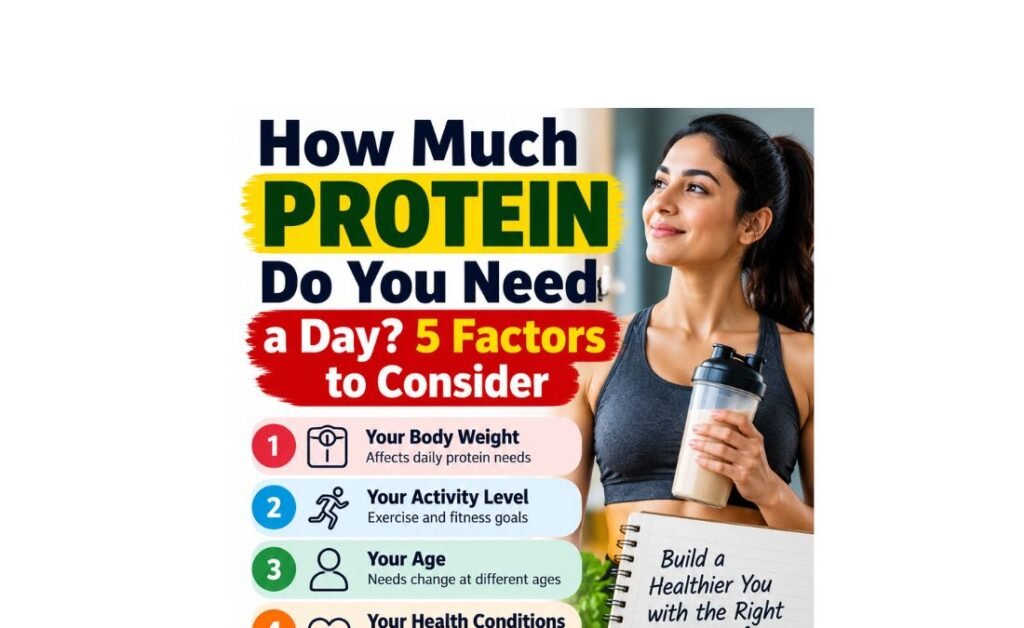
- Protein requirements vary according to age, body size, activity level, health status, and individual needs.
- For generally healthy adults, the commonly used protein Recommended Dietary Allowance (RDA) is approximately 0.8 grams per kilogram of body weight per day. [1]
- Foods such as eggs, fish, dairy products, lentils, beans, tofu, nuts, and seeds can contribute to daily protein intake.
- Eating more protein than you need does not automatically produce greater health benefits; overall diet quality and individual requirements matter.
Protein is an important part of a healthy diet, but how much do you actually need each day? Some people increase their protein intake because they exercise regularly, while others want to maintain muscle as they get older or simply make their everyday meals more nutritious. With so much conflicting advice about protein intake, it can be difficult to know whether you are eating enough or whether you need to make changes. The answer depends on several factors, including your body weight, age, activity level, and health circumstances. Although protein is essential for building and maintaining body tissues, consuming extremely large amounts is not necessary for everyone. A person with a sedentary lifestyle may have different needs from someone who performs regular resistance training, and people with certain medical conditions may need individualized guidance. Understanding how much protein you need can help you plan meals more effectively without relying on expensive supplements or following an unnecessarily restrictive diet. This guide explains general protein recommendations, the factors that influence your requirements, and practical ways to include a variety of protein-rich foods in your everyday meals.
What Does Protein Do in Your Body?
Protein is made up of amino acids, which the body uses to build and maintain muscles, skin, and other tissues. Protein is also involved in producing enzymes and hormones, supporting immune function, and carrying out numerous processes needed for normal health. [1][2] Unlike some nutrients that can be stored in substantial amounts, the body does not maintain a dedicated reserve of protein that can indefinitely replace adequate dietary intake. This makes regular consumption of protein-containing foods an important part of a balanced eating pattern. Protein is found in both animal and plant foods. Eggs, fish, poultry, milk, yogurt, beans, lentils, peas, soy foods, nuts, and seeds can all contribute to your daily intake. Different foods provide different combinations of amino acids and other nutrients, so including a variety of sources can help make your diet more nutritionally diverse. [2][3] The goal is not to consume as much protein as possible. Instead, it is to obtain an appropriate amount for your individual needs while maintaining a diet that also provides enough carbohydrates, healthy fats, vitamins, minerals, fiber, and fluids.
1. How Much Protein Do You Need a Day?
For generally healthy adults, the commonly used Recommended Dietary Allowance is approximately 0.8 grams of protein per kilogram of body weight per day. This recommendation is intended to meet the protein needs of nearly all healthy adults in the relevant population, rather than serving as an ideal target for every possible goal or circumstance. [1]
For example, a healthy adult weighing 60 kilograms can use the following calculation as a general reference:
60 kg × 0.8 g = 48 grams of protein per day.
Similarly, a person weighing 70 kilograms would calculate:
70 kg × 0.8 g = 56 grams of protein per day.
These calculations provide a starting point, not a personalized prescription. Age, physical activity, pregnancy, illness, recovery from injury, and other circumstances can affect individual nutritional requirements. People with certain medical conditions may need a different approach.
How to Calculate Your Daily Protein Intake
You can estimate your daily protein intake by adding the protein listed on food labels to approximate values for foods that do not come with labels. Food composition databases, such as USDA FoodData Central, can help you estimate the protein content of common foods. [4] For example, if your breakfast includes eggs and milk, lunch includes lentils, and dinner includes fish or tofu, each meal contributes some protein. The total from these foods, along with any snacks, helps you estimate your daily intake. You do not need to calculate every gram indefinitely. For many people, understanding which foods provide protein and including them regularly is a more practical starting point.
Important: The 0.8 g/kg figure is a general adult reference. It should not automatically be applied to children, pregnant or breastfeeding people, athletes with specialized goals, or people whose medical conditions affect their nutritional needs.
2. Your Age and Body Weight Can Affect Protein Needs
Age and body size are important when considering how much protein you need. Protein requirements are not identical throughout life because the body grows, repairs tissues, and changes with age.
Protein Needs as You Get Older
Children and adolescents need protein to support growth and development, but their requirements differ from those of adults. Older adults may also need particular attention to maintaining adequate nutrition and muscle function, especially when appetite decreases or health conditions affect food intake. Muscle maintenance depends on several factors, including physical activity, overall energy intake, and adequate nutrition. Protein is one component of this process, but it does not replace resistance exercise, sufficient calories, or other aspects of a healthy lifestyle. For older adults who are losing weight unintentionally, struggling to eat enough, or experiencing changes in strength, discussing nutrition with a qualified healthcare professional can be helpful.
Does a Higher Body Weight Always Mean You Need Much More Protein?
Body weight is used in common protein calculations, but it does not tell the whole story. Body composition, activity level, health status, and the method used to estimate requirements can all matter. For someone with a significantly higher body weight, simply multiplying their entire current weight by a protein target chosen from fitness advice may not be the most appropriate way to establish an individualized requirement. If you have obesity, a chronic medical condition, or a specific weight-management goal, a registered dietitian or other qualified healthcare professional can help you determine a suitable intake.
Practical tip: Use general protein recommendations to understand the basics, but avoid treating a single calculation as a universal rule for every person.
3. Your Physical Activity and Fitness Goals Matter
Physical activity can influence protein needs because exercise places demands on muscles and other tissues. Protein provides amino acids that contribute to tissue repair and muscle adaptation after exercise. However, the amount appropriate for someone who walks occasionally may differ from the amount appropriate for a competitive athlete or someone following a structured resistance-training program. Sports nutrition recommendations can vary according to the type, intensity, and duration of exercise, as well as training goals and total energy intake. [2][3]
Protein for Regular Exercise
If you exercise regularly, it can be helpful to include protein-containing foods in meals throughout the day. For example, you might have eggs or yogurt at breakfast, lentils or beans at lunch, and tofu, fish, or another protein source at dinner. You do not necessarily need a protein shake after every workout. Many people can obtain adequate protein from ordinary foods, although supplements may be convenient in some circumstances. The important point is that protein works alongside other parts of your diet. Carbohydrates provide energy for many forms of exercise, while fats and micronutrients also support normal body functions. Consuming plenty of protein while consistently undereating overall can make it difficult to meet your broader nutritional needs.
Does More Protein Automatically Build More Muscle?
No. Protein provides the raw materials needed for muscle maintenance and repair, but eating extra protein by itself does not guarantee muscle growth. Muscle development depends on factors such as progressive resistance training, total energy intake, recovery, sleep, and adequate nutrition. Someone who already meets their protein needs may not gain additional benefits simply by increasing intake substantially.
Practical tip: If your goal is to improve strength or support training, consider your overall diet and exercise routine rather than focusing on protein alone.
4. Choose a Variety of Protein-Rich Foods
Once you understand your general protein requirements, the next step is identifying foods that can help you meet them. You do not need to depend on one food or purchase expensive products marketed specifically for fitness. Animal foods such as eggs, fish, poultry, milk, and yogurt provide protein. Plant sources include lentils, beans, chickpeas, peas, tofu, soy products, nuts, and seeds. Many grains also contribute some protein. A varied diet can provide protein alongside other important nutrients. [2]


Animal and Plant Protein Sources
Both animal and plant foods can fit into a healthy eating pattern. Animal protein sources such as eggs, dairy products, fish, and poultry provide different combinations of nutrients. Plant sources can contribute protein as well as fiber and, depending on the food, vitamins and minerals. For people following vegetarian or vegan diets, regularly including foods such as lentils, chickpeas, beans, tofu, and other soy products can help increase protein intake. Eating a variety of plant foods across the day also helps provide a broader range of nutrients. You do not have to combine specific plant proteins in exact proportions at every meal to make your diet worthwhile. The overall variety and adequacy of your food intake are more important.
Easy Ways to Include Protein in Everyday Meals
| Meal | Practical Protein Options |
| Breakfast | Eggs, milk, plain yogurt, or tofu |
| Lunch | Lentils, chickpeas, beans, fish, or chicken |
| Snack | Yogurt, nuts, seeds, or roasted chickpeas |
| Dinner | Tofu, beans, fish, eggs, or poultry |
Portion sizes and protein content vary, so these examples should be treated as food ideas rather than precise protein calculations. If you want more meal ideas, read our existing article “High Protein Foods: 5 Nutritious Choices for a Healthy Diet.” It can help readers explore additional protein-rich options.
Practical tip: Start by including one suitable protein source in your main meals. Choose foods that fit your budget, preferences, culture, and dietary requirements.
5. Your Health Conditions Can Change the Right Amount for You
For most generally healthy adults, general dietary reference values provide a useful starting point. However, some medical conditions can change how much protein a person needs or how it should be distributed throughout the day. For example, people with chronic kidney disease may need individualized advice about protein intake. Recommendations can depend on kidney function, nutritional status, whether the person receives dialysis, and other clinical factors. A protein target suitable for one person with kidney disease may not be appropriate for another. [5] People recovering from illness, surgery, or injuries may also have different nutritional requirements. Pregnancy and breastfeeding involve additional nutritional considerations, while children and adolescents need guidance appropriate for their stage of growth.
Should You Take Protein Supplements?
Protein powders and ready-to-drink protein products can be convenient, but they are not essential for everyone. Before buying one, consider whether you can meet your needs through regular meals and whether the product fits your dietary requirements. If you do use a supplement, check the ingredient list, serving size, protein content, added sugar, and any other ingredients relevant to your health. Products marketed as fitness supplements are not automatically suitable for everyone. People with kidney disease or other conditions affecting nutrition should consult their healthcare professional before making major changes to protein intake or starting a supplement.
When to Seek Individualized Advice
Consider speaking with a registered dietitian or qualified healthcare professional if you have a chronic medical condition, are pregnant or breastfeeding, are experiencing unexplained weight loss, have difficulty eating enough, or need a specialized nutrition plan for training or recovery. The aim is to find an intake that supports your needs without unnecessary restriction or excessive supplementation.
How to Make Your Daily Protein Intake More Practical
You can start improving your diet without calculating every nutrient or changing all your meals at once. Begin by identifying the protein sources you already eat, then look for simple opportunities to increase variety if needed. For example, you could add lentils to lunch, include yogurt with a meal, choose eggs when convenient, or use tofu and beans more regularly. If you eat animal foods, fish, poultry, eggs, and dairy products can also contribute. The best choices are those you enjoy and can include consistently. Remember that protein is only one part of good nutrition. A healthy eating pattern also includes vegetables, fruits, whole grains or other suitable carbohydrate sources, healthy fats, and adequate fluids. The goal is to build meals that provide a range of nutrients rather than concentrating on a single macronutrient.
Final Thoughts
Understanding how much protein you need can help you make better-informed decisions about your everyday diet. For generally healthy adults, approximately 0.8 grams per kilogram of body weight per day is a commonly used reference, but individual needs vary according to age, activity, health status, and other circumstances. Rather than assuming that more protein is always better, focus on including suitable protein-rich foods as part of a varied and balanced diet. Ordinary foods such as eggs, fish, dairy products, lentils, beans, tofu, nuts, and seeds can all contribute. If you have specific fitness goals or a medical condition that affects nutrition, personalized guidance can help you establish a more appropriate target. Sustainable eating habits, adequate overall nutrition, and a realistic approach are more useful than chasing a protein number that may not suit your needs.
Sources
[1] MedlinePlus — Protein in Diet
Explains the role of protein and general dietary considerations.
[2] Harvard T.H. Chan School of Public Health — The Nutrition Source: Protein. Provides information about protein, dietary sources, and considerations for healthy eating.
[3] U.S. Department of Agriculture — MyPlate: Protein Foods Provides consumer guidance about protein foods and different dietary sources.
[4] USDA — FoodData Central
A food composition database that can help readers estimate the nutrient content of individual foods.
[5] National Kidney Foundation — Protein and Your Kidneys.Discusses protein and kidney health, including why dietary needs can differ for people with kidney disease.
[6] World Health Organization — Healthy Diet
Provides general guidance on healthy dietary patterns and the importance of dietary variety.
Disclaimer
This article is for general educational purposes only and does not replace individualized medical or nutritional advice. Protein requirements vary by age, activity level, and health status. Consult a qualified healthcare professional or registered dietitian before making major dietary changes if you have a medical condition or specialized nutritional needs.