
Eating healthy does not have to mean following complicated meal plans or buying expensive “superfoods.” In fact, some of the most useful foods for everyday nutrition are simple ingredients that can be added to familiar meals. Sweet potatoes, lentils, quinoa, broccoli, oranges, chickpeas, and tomatoes each provide a different combination of carbohydrates, protein, fiber, vitamins, minerals, and beneficial plant compounds. Including a variety of these foods throughout the week can make your overall diet more nutritious without making healthy eating feel restrictive.
The important point is that no single food can provide everything your body needs. A healthy diet works through variety and balance. Instead of eating the same food every day simply because it is considered healthy, rotate different vegetables, fruits, legumes, whole grains, and protein sources through your meals. This gives you a broader range of nutrients and also makes your food more interesting. The seven foods in this guide are practical options that can fit into breakfast, lunch, dinner, snacks, or meal-prep routines.
Why Variety Matters in a Healthy Diet
A nutritious eating pattern is about more than counting calories or focusing on one nutrient. Different foods provide different combinations of fiber, protein, vitamins, minerals, and plant compounds. For example, legumes can contribute plant-based protein and fiber, vegetables can provide a wide range of micronutrients, and whole-food carbohydrate sources can provide energy and additional nutrients.
This is why building meals around a variety of minimally processed foods is often more useful than searching for one “perfect” food. You do not need to eat all seven foods every single day. Instead, use them as practical options that you can rotate throughout the week based on availability, preference, budget, and your normal eating habits.
1. Sweet Potatoes
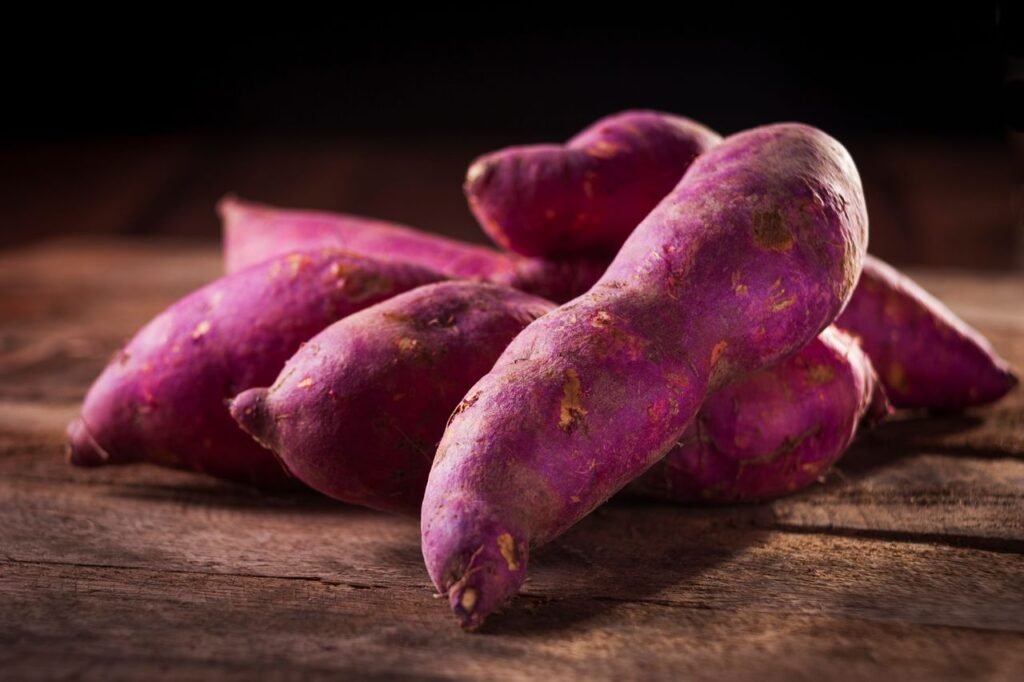
Sweet potatoes are a versatile root vegetable that can make a nutritious addition to everyday meals. They provide carbohydrates for energy, dietary fiber, potassium, and beta-carotene, which the body can convert into vitamin A. Their naturally sweet flavor also makes them easy to use in both savory and simple meal-prep recipes.
One reason sweet potatoes are useful is that they can replace less nutrient-dense carbohydrate choices in many meals. Instead of always relying on highly refined carbohydrate foods, you can serve roasted or steamed sweet potato alongside vegetables and a protein source. They can also be mashed, added to soups, or cut into wedges and roasted.
Why sweet potatoes are worth including
- Provide complex carbohydrates for energy
- Contribute dietary fiber
- Rich in beta-carotene
- Provide potassium and other micronutrients
- Easy to roast, steam, mash, or bake
Easy way to eat them
Try roasted sweet potato + lentils + broccoli as a simple, filling meal.
If you eat sweet potatoes regularly, vary the preparation method and pair them with other food groups rather than treating them as a complete meal by themselves.
2. Lentils
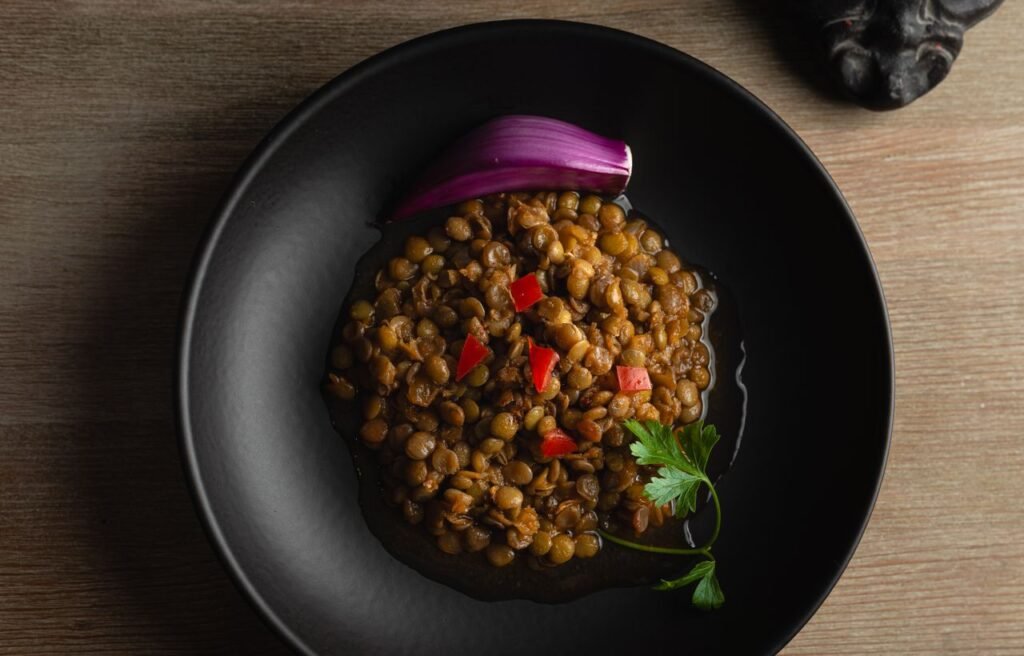
Lentils are one of the most practical foods for people looking to increase both plant-based protein and dietary fiber. They are also sources of folate, iron, potassium, and other nutrients. Because they are inexpensive, easy to store, and relatively quick to cook compared with many dried legumes, lentils can be especially useful for regular home cooking.
Lentils are also remarkably flexible. You can use them in soups, curries, salads, grain bowls, or simple side dishes. For people who eat less meat or follow vegetarian diets, lentils can become an important part of a varied protein pattern. Pairing them with vegetables and a whole-grain or other carbohydrate source can create a satisfying meal.
Why lentils are a smart everyday food
- Good source of plant-based protein
- High in dietary fiber
- Provide folate and iron
- Affordable and easy to store
- Work well in soups, salads, curries, and bowls
Simple meal idea
Combine lentils + tomatoes + broccoli + quinoa for a nutrient-dense lunch or dinner.
If using canned lentils, check the sodium content and consider rinsing them before eating.
3. Quinoa
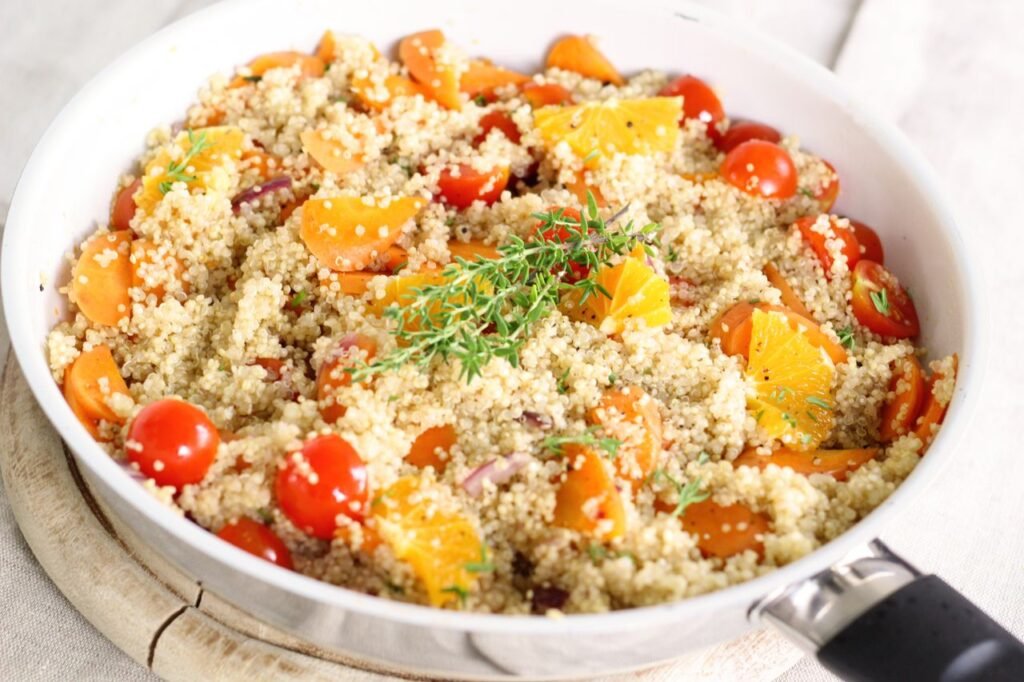
Quinoa is often used as a grain even though botanically it is a seed. It provides carbohydrates, fiber, protein, magnesium, manganese, and other nutrients. Its mild flavor and fluffy texture make it easy to use as an alternative to rice or as the foundation of a nutritious grain bowl.
One of quinoa’s practical advantages is that it can be prepared in advance and used across several meals. You can combine it with roasted vegetables for lunch, add it to salads, or serve it alongside beans or lentils. It is also useful when you want more variety in your carbohydrate choices rather than relying on the same grain every day.
Ways to use quinoa
- Add it to vegetable bowls
- Mix it with chickpeas and tomatoes
- Use it as a base for salads
- Serve it alongside roasted vegetables
- Combine it with lentils for a plant-based meal
A balanced combination
Quinoa + chickpeas + broccoli + tomatoes creates a simple meal containing plant-based protein, fiber, carbohydrates, and a range of micronutrients.
4. Broccoli
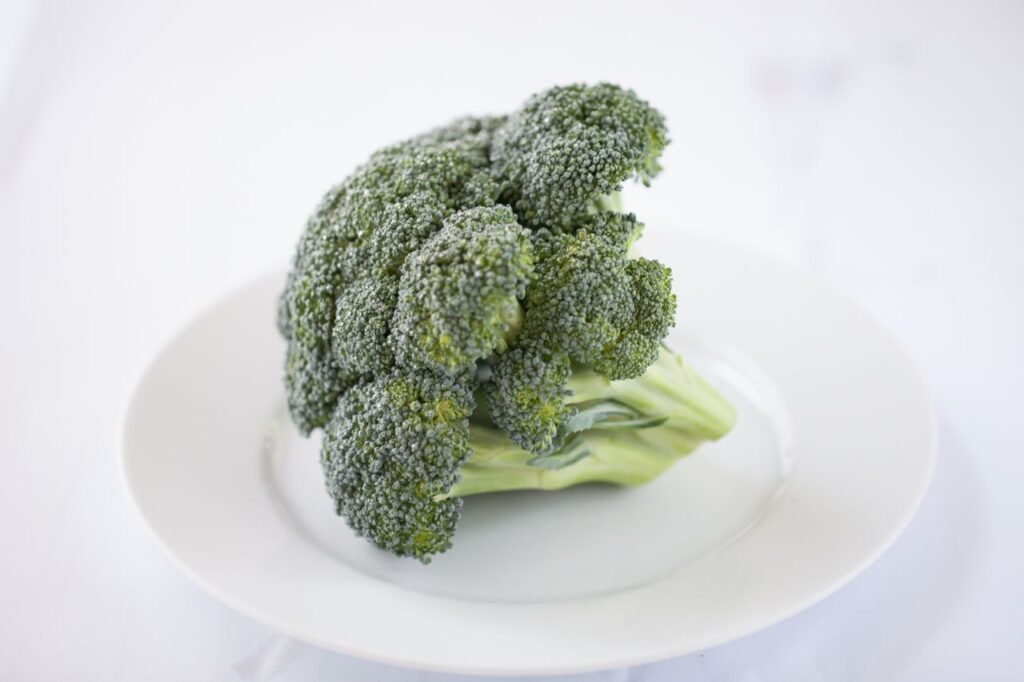
Broccoli is a nutrient-dense cruciferous vegetable that can add fiber, vitamin C, vitamin K, folate, and other beneficial plant compounds to your diet. Its strong nutritional profile makes it an easy vegetable to include regularly, but you do not need to eat broccoli every day to benefit from vegetables. Variety among different vegetables is still important.
Broccoli is particularly easy to incorporate into meals because it works with many flavors and cooking methods. You can steam it, roast it, stir-fry it, or add it to soups and grain bowls. Cooking time matters because heavily overcooking vegetables can affect texture and may reduce some heat-sensitive nutrients.
Simple ways to include broccoli
- Add steamed broccoli to lunch or dinner
- Roast broccoli with herbs and olive oil
- Mix it into a quinoa bowl
- Add it to lentil soup
- Stir-fry it with chickpeas and other vegetables
Practical tip
Keep frozen broccoli available if fresh vegetables are difficult to use quickly. Frozen vegetables can be a convenient option and reduce food waste
5. Oranges
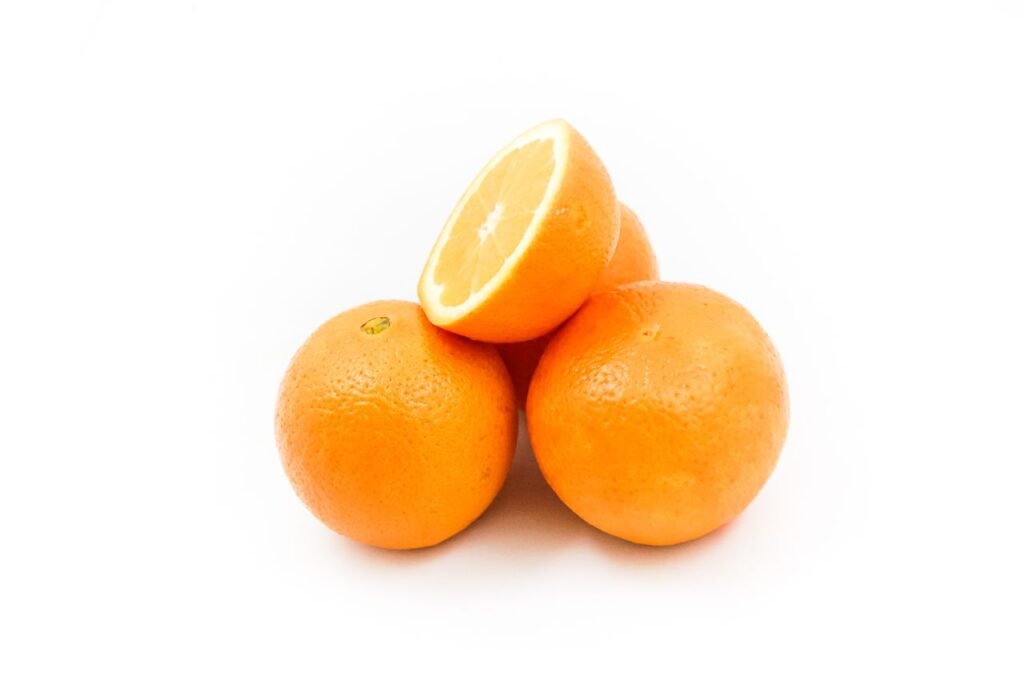
Oranges are an easy way to add whole fruit to your everyday eating pattern. They provide vitamin C, water, fiber, folate, and other nutrients. Their natural sweetness can also make them a convenient alternative to highly processed sweet snacks.
One important advantage of eating an orange as a whole fruit is that you consume the fruit’s natural fiber along with its water and nutrients. This is different from drinking a large glass of fruit juice, where much of the fruit’s physical structure has been removed. Whole fruit can therefore be a simple and convenient part of a balanced diet.
Why oranges make a good everyday fruit
- Good source of vitamin C
- Provide dietary fiber
- Naturally hydrating
- Easy to carry and store
- Naturally sweet without added sugar
Easy combinations
Try an orange alongside:
- A lentil-based meal
- Whole-grain toast
- Chickpea salad
- Plain yogurt
- A balanced lunch
You can also rotate oranges with apples, pears, kiwi, guava, or other whole fruits to increase variety.
6. Chickpeas
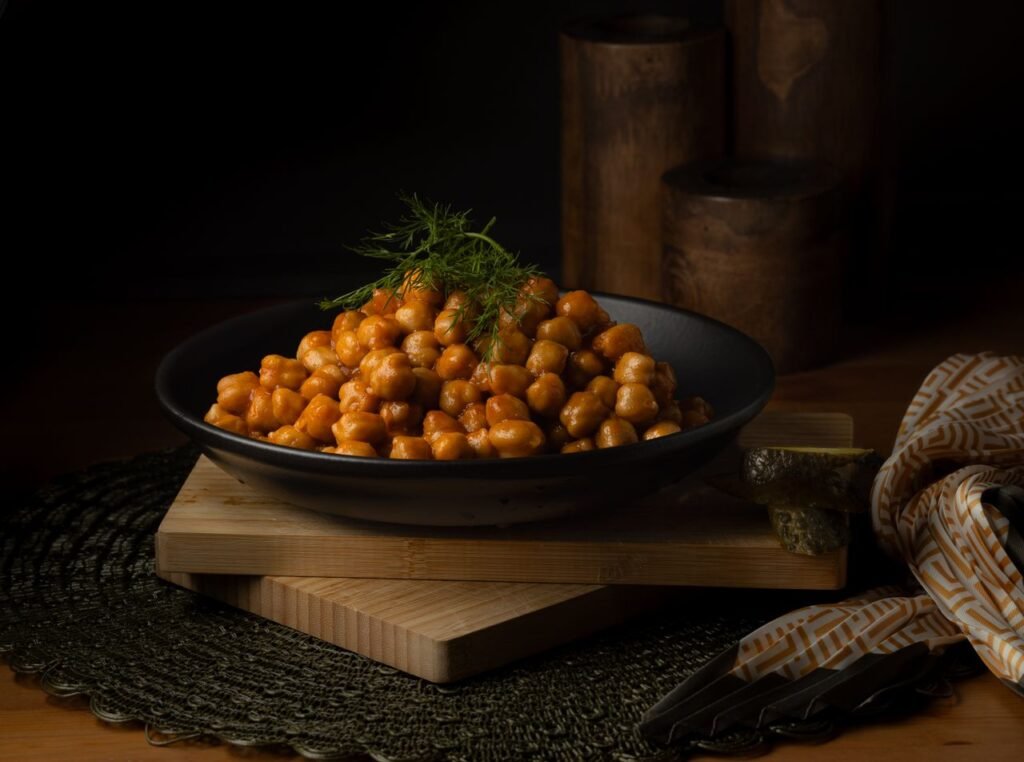
Chickpeas are another excellent legume for people looking for affordable sources of plant-based protein and fiber. They also provide folate, iron, phosphorus, potassium, and other nutrients. Their mild, slightly nutty flavor allows them to work in salads, curries, soups, wraps, and roasted snacks.
Chickpeas are especially useful for meal preparation because cooked chickpeas can be stored and added to several different dishes during the week. You can make hummus, add them to a vegetable salad, mix them with quinoa, or use them in a warm curry. This flexibility makes it easier to include more legumes without preparing a completely different meal every day.
Easy chickpea ideas
- Chickpea and tomato salad
- Chickpea and quinoa bowl
- Homemade hummus with vegetables
- Chickpea curry
- Roasted chickpeas as a snack
A useful meal combination
Chickpeas + quinoa + broccoli + tomatoes provides a combination of protein, fiber, carbohydrates, and vegetables in one practical meal.
7. Tomatoes
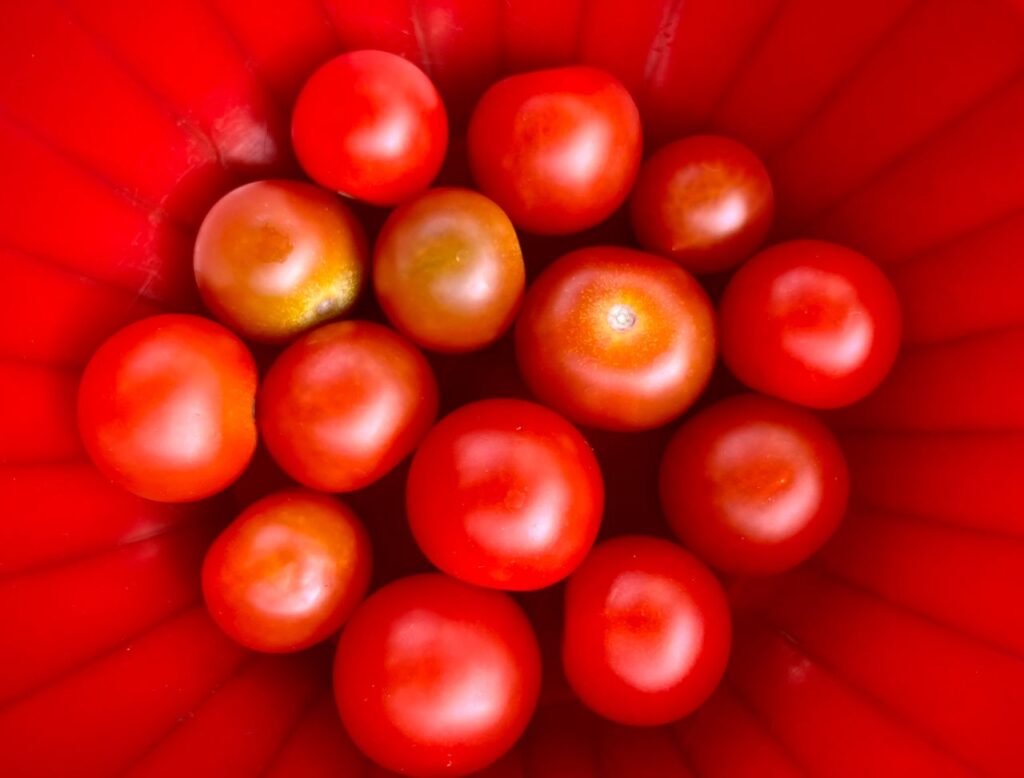
Tomatoes are technically a fruit, but they are commonly used as a vegetable in everyday cooking. They provide vitamin C, potassium, folate, and the antioxidant carotenoid lycopene. Lycopene is one reason tomatoes have attracted considerable nutritional research, particularly regarding their role in diets rich in plant foods.
Tomatoes are also incredibly easy to use. Add fresh tomatoes to salads, sandwiches, wraps, eggs, grain bowls, or lentil dishes. Cooked tomatoes can be used in soups, sauces, curries, and stews. Because they work in so many recipes, they are an easy food to keep available at home.
Easy ways to eat more tomatoes
- Add fresh tomatoes to salads
- Mix them into chickpea dishes
- Use them in lentil curry
- Add chopped tomatoes to quinoa bowls
- Make a simple tomato and vegetable soup
Rather than relying on one specific preparation, use both fresh and cooked tomatoes as part of a varied diet.
Common Mistakes When Choosing Healthy Foods
Choosing Only Foods Labeled “Healthy “
A package saying “healthy” does not automatically make the food nutritious. Look at the ingredients, added sugar, sodium, fiber, protein, and overall nutritional profile rather than relying only on marketing language.
Eating the Same Foods Every Day
Even nutritious foods should not become your entire diet. Variety helps you obtain different nutrients and keeps meals interesting.
Forgetting Protein
A meal made entirely from vegetables and fruit may be nutritious but may not provide enough protein for your individual needs. Include appropriate protein sources throughout your overall diet.
Ignoring Preparation Methods
A nutritious ingredient can become part of a less balanced meal depending on how it is prepared. Roasting, steaming, boiling, or lightly sautéing vegetables can be practical choices, while heavily processing foods or adding large amounts of sugar, salt, or unhealthy fats can change the nutritional profile.
Simple Tips to Eat More Healthy Foods
Healthy eating becomes easier when nutritious ingredients are convenient. Keep washed vegetables, whole fruits, cooked legumes, and prepared grains available whenever possible. Plan two or three meals in advance rather than trying to organize every meal for an entire week. This gives you flexibility while reducing last-minute decisions.
Another useful habit is to build meals around foods you already enjoy. If you like Indian-style meals, lentils, chickpeas, tomatoes, sweet potatoes, and vegetables can fit naturally into curries, dals, bowls, and side dishes. If you prefer quick meals, cooked quinoa, canned chickpeas, frozen broccoli, and whole fruit can reduce preparation time. Healthy eating should fit your lifestyle rather than forcing your lifestyle to fit a rigid diet.
Final Thoughts
Building a healthier diet does not require a complicated grocery list or a strict meal plan. Sweet potatoes, lentils, quinoa, broccoli, oranges, chickpeas, and tomatoes are seven practical foods that can contribute useful nutrients to everyday meals. More importantly, they can be combined with many other ingredients, making them realistic choices for different cuisines, budgets, and lifestyles.
The best approach is to think about your diet as a complete pattern rather than judging individual foods in isolation. Include a variety of vegetables and fruits, choose appropriate protein sources, prioritize high-fiber foods, drink enough fluids, and keep highly processed foods from becoming the foundation of your meals. You do not need to change everything overnight. Start by adding one nutritious food to a meal you already enjoy, then gradually build from there.
Healthy eating becomes sustainable when nutritious choices are simple enough to repeat.
References & Sources
- World Health Organization – Healthy Diet
https://www.who.int/news-room/fact-sheets/detail/healthy-diet - U.S. Department of Agriculture – MyPlate
https://www.myplate.gov/ - Harvard T.H. Chan School of Public Health – The Nutrition Source
https://nutritionsource.hsph.harvard.edu/ - National Institutes of Health – Office of Dietary Supplements
https://ods.od.nih.gov/ - Centers for Disease Control and Prevention – Healthy Eating
https://www.cdc.gov/healthy-weight-growth/healthy-eating/ - U.S. Food & Drug Administration – Nutrition Facts Label
https://www.fda.gov/food/nutrition-facts-label
Health Information Disclaimer
This article is intended for general educational purposes and is not a substitute for individualized medical or dietary advice. People with medical conditions, food allergies, pregnancy-related nutritional needs, or specific dietary requirements should consult a qualified healthcare professional or registered dietitian.